Professional Pet Dental Cleanings: What to Expect Under Anaesthesia and When It's Needed
A clear, reassuring guide to what happens during a professional dental cleaning, why anaesthesia is used, and how to know when your pet needs one.
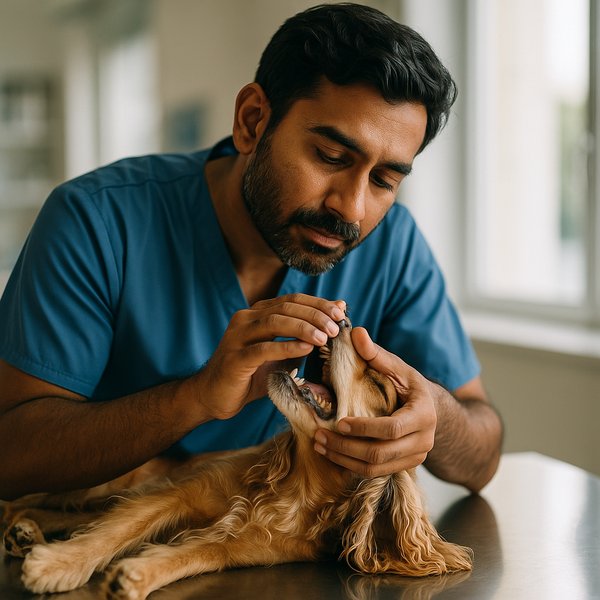
Why Brushing Alone Isn't Always Enough
Daily brushing is the single best thing you can do for your pet's oral health, but it can't reach everywhere. Once plaque (a soft, sticky film of bacteria) hardens into tartar (also called calculus) below the gumline, no amount of home brushing will remove it. This is where a professional dental cleaning, performed by a vet under anaesthesia, becomes essential rather than optional.
"By the time we see visible tartar or bad breath, periodontal disease is often already progressing beneath the gumline where owners can't see it — that's why professional cleanings are about far more than cosmetics." — Dr. James Harper, DVM
Most dogs and cats show some degree of periodontal disease (inflammation and infection of the tissues supporting the teeth) by age three. Left untreated, it doesn't stay confined to the mouth — bacteria from infected gums can enter the bloodstream and affect the heart, kidneys, and liver over time.
A professional cleaning, sometimes called a dental prophylaxis or scale and polish, allows your vet to clean under the gumline, assess each tooth individually, and take dental X-rays to spot problems hiding beneath the surface. This is fundamentally different to at-home brushing routines like those covered in our step-by-step guide to brushing your dog's teeth — the two work together, not as substitutes for one another.
Understanding what a professional cleaning actually involves can ease the natural worry many owners feel about anaesthesia, and help you make an informed decision alongside your vet.
What Happens During a Professional Dental Cleaning
A professional dental procedure is far more thorough than it might sound, and every step serves a purpose. Knowing the sequence in advance can make the whole process feel less daunting.
The typical steps include:
- Pre-anaesthetic examination and bloodwork — checking organ function and overall fitness for anaesthesia
- Induction of general anaesthesia — a light plane of anaesthesia keeps your pet still and pain-free throughout
- Full mouth X-rays — to check tooth roots and jawbone for hidden disease, since up to two-thirds of each tooth sits below the gumline
- Ultrasonic scaling — removing tartar above and below the gumline, where brushing can never reach
- Probing and charting — measuring gum pocket depth around each tooth to assess periodontal health
- Polishing — smoothing the enamel surface to slow future plaque build-up
- Extractions if needed — removing teeth that are fractured, abscessed, or too diseased to save
Throughout the procedure, your pet's heart rate, oxygen levels, and blood pressure are continuously monitored by a dedicated veterinary nurse — much like the monitoring used during other routine surgical procedures such as those described in our guide to spaying and neutering. Most pets go home the same day, a little groggy but back to themselves within 24 hours.
The full picture from X-rays and probing often reveals more than a visual exam ever could — many owners are surprised to learn their pet needed one or two extractions despite looking "fine" beforehand.
Is Anaesthesia Safe for Dental Cleanings?
It's completely natural to feel anxious about your pet undergoing anaesthesia, and it's a conversation worth having openly with your vet. The good news is that modern veterinary anaesthesia is remarkably safe, especially with the safeguards routinely used today.
Before any procedure, your vet will run pre-anaesthetic bloodwork to check kidney and liver function, blood cell counts, and overall organ health. This step is particularly important in senior pets or those with underlying conditions — for example, dogs with Cushing's disease may need additional monitoring or adjusted anaesthetic protocols. If bloodwork raises concerns, your vet may recommend further tests or a tailored anaesthetic plan rather than cancelling the procedure outright.
During the cleaning itself, your pet is intubated (a breathing tube protects the airway and prevents inhalation of water or debris), kept warm, and monitored continuously by trained staff — not left unattended for a moment. Anaesthetic drugs used today are shorter-acting and more precisely dosed than those used a decade ago, significantly reducing risk.
It's worth remembering that the risk of anaesthesia is almost always lower than the risk of leaving painful, infected teeth untreated indefinitely. Chronic dental infection is a genuine, ongoing health burden — anaesthesia for a dental procedure is typically a single, well-managed event.
If your pet has a chronic condition, is a senior, or has had anaesthesia complications before, discuss this openly with your vet well ahead of the appointment so a plan can be tailored to their needs.
Chat with Rio, our AI health companion, for personalised guidance tailored to your pet's needs.
Ask Rio →Signs Your Pet May Need a Professional Cleaning
Many owners assume their pet's teeth are fine simply because their pet is still eating normally. Dogs and cats are remarkably good at hiding oral pain, so it's important to look for subtler clues rather than waiting for obvious distress.
Watch for these warning signs:
- Persistent bad breath (halitosis) that doesn't improve with brushing
- Visible yellow-brown tartar build-up, especially on the back teeth
- Red, swollen, or bleeding gums
- Reluctance to chew hard food or toys, or dropping food while eating
- Pawing at the mouth or face
- Excessive drooling, sometimes tinged with blood
- Visible loose or broken teeth
- Reduced appetite or noticeable weight loss over time
If your cat is showing any of these signs alongside general lethargy or reduced grooming, it's worth reviewing the more detailed symptom list in our guide to recognising feline dental disease. Cats in particular are prone to a painful condition called tooth resorption, which can be entirely invisible without dental X-rays.
As a general rule, most adult dogs and cats benefit from a professional cleaning every 1–2 years, though smaller dog breeds and cats prone to resorptive lesions may need them more frequently. Your vet will guide the right interval based on your individual pet's mouth during routine check-ups.
Use PetCare.AI's free symptom checker to assess your pet's condition and get instant guidance.
Try PetCare.AI Free →Why Vets Caution Against Anaesthesia-Free Dental Cleaning
You may have come across anaesthesia-free dental cleaning (sometimes called cosmetic dentistry) offered at grooming salons or pet stores. While it may seem like a gentler, lower-risk alternative, most veterinary dental specialists strongly advise against it.
Here's why it falls short of a true professional cleaning:
- It only removes tartar visible above the gumline — the disease-causing bacteria below the gumline remain untouched
- No dental X-rays are taken, meaning hidden root abscesses, fractures, or resorption go completely undetected
- Scaling without a smooth polish afterward can actually roughen the enamel, encouraging faster plaque re-accumulation
- A conscious pet cannot safely tolerate the probing and instrumentation needed for a thorough, gentle exam of each tooth
- It can create a false sense of reassurance, delaying proper treatment while disease progresses silently
Think of it as similar to only ever addressing surface symptoms rather than the underlying issue — much like how a persistent cough might mask something more serious, as explored in our guide on respiratory conditions in dogs. A polished-looking tooth doesn't necessarily mean a healthy one underneath.
If cost or anaesthesia concerns are the main reason you're considering an anaesthesia-free option, it's worth having an honest conversation with your vet first. They can help weigh up realistic risks against the benefits of a proper diagnostic cleaning, and discuss ways to plan for the expense.
Cost, Frequency, and Caring for Your Pet Afterwards
The cost of a professional dental cleaning varies depending on your pet's size, the complexity of the case, and whether extractions are needed, but it's a cost worth planning for rather than being caught off guard by. Building a small buffer into your pet emergency fund can help you feel prepared, since dental work is one of the most common unplanned veterinary expenses pet owners face.
After the procedure, most pets recover quickly. In the first 24–48 hours you can expect:
- Mild grogginess or reduced appetite on the day of the procedure
- Soft food recommended for a few days, especially if extractions were performed
- Slight gum tenderness — occasional mild bleeding is normal and settles within a day or two
- A follow-up check with your vet if any teeth were extracted, to confirm healing
Once your pet has recovered, the most effective way to protect your investment is consistent home care. Daily brushing, dental chews approved by your vet, and regular check-ups all help slow the return of plaque and tartar. Keeping your pet mentally and physically engaged also supports overall wellbeing during recovery — a bored, understimulated pet can be more prone to chewing on inappropriate objects, so it's worth revisiting our tips on mental stimulation for dogs as they settle back into routine.
Ultimately, a professional dental cleaning isn't a one-off fix but part of an ongoing rhythm of care — daily brushing at home, regular vet check-ups, and periodic professional cleanings working together. With this combination, most dogs and cats can enjoy a healthy, pain-free mouth well into their senior years.
Find trusted veterinarians near you on PetCare.AI and book a consultation.
Find a Vet →Chat with Rio, our AI health companion, for personalised guidance on your pet's nutrition and weight management.