Mental Stimulation for Dogs — Preventing Boredom and Destructive Behaviour
Discover expert-approved mental enrichment activities to keep your dog's mind sharp and prevent destructive behaviour caused by boredom.
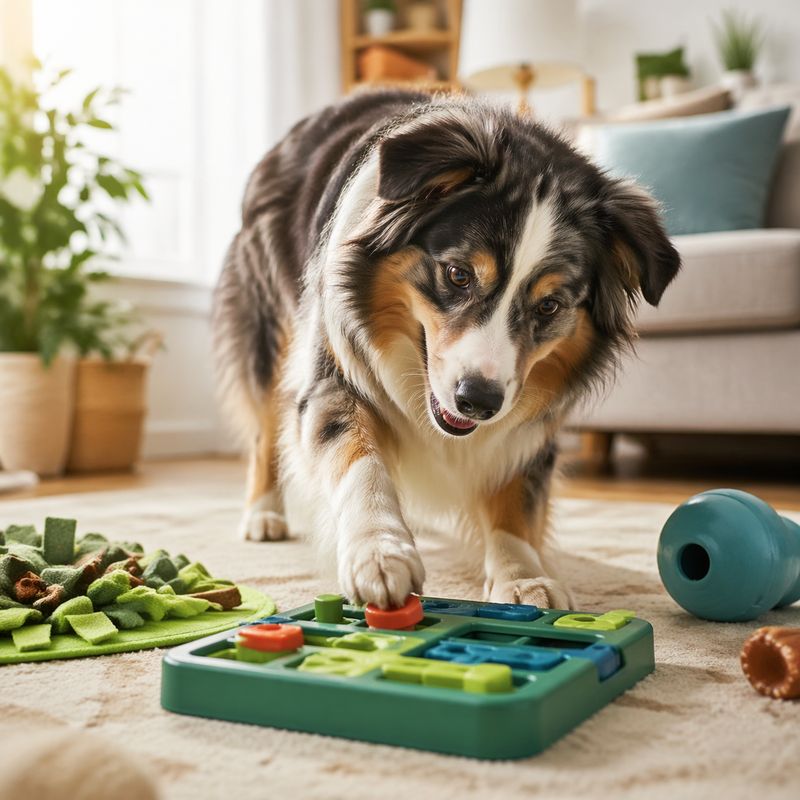
Why Mental Stimulation Is Essential for Your Dog's Wellbeing
Mental stimulation is just as crucial for your dog's health as physical exercise. Dogs are intelligent creatures with complex brains that require regular cognitive challenges to stay happy and balanced. Without adequate mental engagement, even well-exercised dogs can develop destructive behaviours, anxiety, and depression.
"A mentally tired dog is often more content than a physically tired one. Mental stimulation targets the brain's need for problem-solving and can prevent many behavioural issues we see in practice." — Dr. James Harper, DVM
The signs of mental under-stimulation are clear and troubling. You might notice your dog engaging in excessive barking, destructive chewing, digging, or repetitive behaviours like pacing. These aren't signs of a "bad" dog — they're symptoms of an intelligent animal trying to create their own entertainment.
Different breeds have varying mental stimulation needs. Working breeds like Border Collies and German Shepherds require significantly more cognitive challenge than more laid-back breeds. However, every dog benefits from regular brain exercise, regardless of their breeding or energy level.
Puzzle Toys and Food-Dispensing Solutions
Puzzle feeders and interactive toys transform mealtime from a 30-second gulp into a 20-minute mental workout. These tools tap into your dog's natural foraging instincts whilst slowing down eating — a win for both mental health and digestion.
Start with simple puzzle toys and gradually increase complexity as your dog masters each level. Popular options include:
- Treat-dispensing balls that release kibble as they roll
- Sliding puzzle boards with hidden compartments
- Snuffle mats that hide treats amongst fabric strips
- Kong toys stuffed with frozen treats or peanut butter
- Rotating puzzle feeders with adjustable difficulty levels
The key is rotation — don't leave the same puzzle out every day. Store several different types and rotate them weekly to maintain novelty and challenge. This prevents your dog from becoming bored with their mental enrichment tools.
For dogs who struggle with traditional puzzle toys, start by simply scattering their kibble across the floor or hiding treats around a single room. This basic environmental enrichment can make a significant difference in their daily mental engagement.
DIY Brain Games and Training Activities
You don't need expensive toys to provide excellent mental stimulation. Simple household items can create engaging brain games that challenge your dog's problem-solving abilities and strengthen your bond together.
The "find it" game is perhaps the most versatile mental exercise. Start by having your dog sit and stay whilst you hide treats around the room. Begin with obvious locations, then gradually make hiding spots more challenging. This game develops your dog's scent work abilities and provides sustained mental engagement.
Training-Based Mental Workouts
Short, frequent training sessions provide excellent cognitive stimulation. Even five-minute sessions teaching new tricks or reinforcing existing commands can tire your dog's brain significantly. Focus on:
- Teaching new commands like "touch," "spin," or "play dead"
- Practising impulse control exercises like "wait" and "leave it"
- Working on complex behaviours broken into small steps
- Combining multiple commands into sequences
Remember that mental fatigue occurs quickly — 10-15 minutes of focused brain work often equals an hour of physical exercise in terms of tiredness. Always end training sessions on a positive note with successful completion of a known command.
Creating an Enriching Home Environment
Your dog's environment plays a crucial role in providing ongoing mental stimulation. Small changes to their daily surroundings can create continuous opportunities for cognitive engagement without requiring constant supervision from you.
Environmental rotation keeps your home interesting for your dog. Move furniture occasionally, rearrange their toys, or create new pathways through rooms. Dogs notice these changes and spend mental energy processing their altered environment.
Consider creating different "zones" in your home for various activities. A quiet corner with puzzle toys, a window perch for watching outdoor activity, and a space dedicated to interactive play can provide variety throughout the day. This approach works particularly well for dogs who spend significant time alone.
Outdoor Enrichment Opportunities
Your garden or outdoor space offers endless possibilities for mental stimulation. Hide treats in different areas, create obstacle courses using household items, or set up treasure hunts that require your dog to use their nose and brain together.
Even simple changes like taking different walking routes provide mental stimulation. New smells, sights, and sounds require cognitive processing. Just as swimming provides both physical and mental benefits for dogs, varied environments challenge your pet's adaptability and problem-solving skills.
Chat with Rio, our AI health companion, for personalised guidance tailored to your pet's needs.
Ask Rio →Tailoring Mental Stimulation to Your Dog's Breed and Personality
Different breeds have evolved for specific jobs, and understanding your dog's genetic predispositions helps you choose the most effective mental stimulation activities. A Border Collie's herding instincts require different engagement than a Bloodhound's tracking abilities.
Working and Herding Breeds
These intelligent breeds need complex, job-like tasks. Agility training, advanced obedience work, and problem-solving games satisfy their need for mental challenges. Consider activities that mimic their original work — herding breeds often enjoy games that involve controlling movement, whilst working breeds thrive on multi-step tasks.
Scent Hounds and Terriers
Nose work activities are perfect for these breeds. Hide treats, toys, or scented objects around your home or garden. Start simple and gradually increase difficulty. These dogs often prefer solitary mental challenges that let them work independently.
Terriers, bred for hunting, often enjoy games that involve "catching" or "killing" toys. Puzzle toys that require persistence and determination appeal to their tenacious nature.
Toy and Companion Breeds
Don't underestimate smaller dogs' mental needs. They often excel at trick training and enjoy interactive games with their owners. Social puzzle-solving, where you work together to solve problems, often appeals to these people-oriented breeds.
Remember that individual personality matters as much as breed. A shy dog might prefer quiet, independent activities, whilst a confident dog enjoys interactive challenges. Observe what naturally interests your dog and build upon those preferences.
Addressing Common Mental Stimulation Challenges
Even well-intentioned mental enrichment efforts can encounter obstacles. Understanding common challenges helps you adjust your approach and maintain your dog's interest in cognitive activities over time.
If your dog shows no interest in puzzle toys, start simpler. Some dogs need to learn how to play — scatter feeding on the floor or hiding treats in obvious places can build confidence. Never force interaction, as this creates negative associations with mental enrichment activities.
Overstimulation Warning Signs
Mental stimulation should energise, not overwhelm. Watch for signs of stress including excessive panting, restlessness, or avoidance behaviours. These indicate you may be providing too much challenge too quickly. Reduce complexity and duration, then gradually increase as your dog adapts.
Destructive behaviour persisting despite mental enrichment might indicate underlying issues. Just as toxic food ingestion requires immediate veterinary attention, behavioural problems that don't respond to enrichment may need professional assessment.
Making Mental Stimulation Sustainable
Consistency matters more than intensity. Five minutes of daily brain work beats sporadic hour-long sessions. Build mental stimulation into your routine — morning puzzle feeders, afternoon training sessions, evening hide-and-seek games.
Keep a rotation of activities to prevent boredom. What excites your dog this week might bore them next month. Successful mental enrichment evolves with your dog's changing interests and abilities, providing lifelong cognitive health benefits that support their overall wellbeing.
Chat with Rio, our AI health companion, for personalised guidance on your pet's nutrition and weight management.