Aspergillosis in Dogs — Signs, Treatment & Prevention of This Serious Respiratory Infection
Learn how to recognise, treat, and prevent aspergillosis, a potentially dangerous fungal infection affecting your dog's respiratory system.
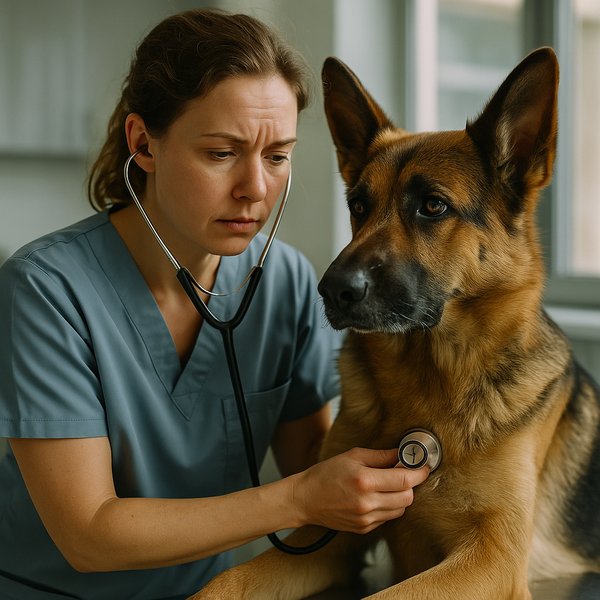
Understanding Aspergillosis in Dogs
Aspergillosis is a serious fungal infection caused by Aspergillus species, microscopic fungi commonly found in soil, decaying vegetation, and dust. Unlike other fungal infections that primarily affect the skin, aspergillosis typically targets your dog's respiratory system, though it can become systemic in severe cases.
"Aspergillosis is one of the most challenging fungal infections we see in dogs because it often mimics other respiratory conditions, leading to delayed diagnosis. Early recognition is crucial for successful treatment." — Dr. James Harper, DVM
The infection occurs in two main forms: nasal aspergillosis, which affects the nasal cavity and sinuses, and systemic aspergillosis, where the fungus spreads throughout the body via the bloodstream. Nasal aspergillosis is more common and generally has a better prognosis when caught early.
Dogs with compromised immune systems, those on long-term medications like steroids, or breeds with naturally suppressed immunity are at higher risk. However, even healthy dogs can develop aspergillosis when exposed to high concentrations of fungal spores, particularly in environments with poor air quality or excessive moisture.
Recognising the Early Warning Signs
Early detection of aspergillosis can make the difference between successful treatment and serious complications. The signs often develop gradually, making them easy to overlook initially.
For nasal aspergillosis, watch for these key symptoms:
- Persistent nasal discharge, often thick and bloody
- Frequent sneezing or reverse sneezing episodes
- Difficulty breathing through the nose
- Loss of pigmentation around the nostrils
- Swelling or pain around the nose and face
- Decreased appetite due to reduced sense of smell
Systemic aspergillosis presents with more generalised symptoms:
- Laboured breathing or persistent cough
- Lethargy and reduced exercise tolerance
- Weight loss despite normal appetite
- Fever that comes and goes
- Lameness or back pain (if bones are affected)
- Seizures or neurological signs (in advanced cases)
Many owners initially mistake these symptoms for allergies or kennel cough. However, aspergillosis symptoms typically worsen over time rather than improving, and standard treatments for respiratory infections prove ineffective.
Use PetCare.AI's free symptom checker to assess your pet's condition and get instant guidance.
Try PetCare.AI Free →Veterinary Diagnosis and Testing Methods
Diagnosing aspergillosis requires specialised testing, as the symptoms overlap with many other conditions. Your vet will likely recommend a combination of diagnostic approaches to confirm the infection and determine its extent.
Initial examination includes a thorough physical assessment, focusing on your dog's respiratory system. Your vet will check for nasal discharge, examine the nostrils for colour changes, and listen to the chest for abnormal sounds.
Key diagnostic tests include:
- Fungal culture: Growing samples from nasal discharge or tissue biopsies
- Cytology: Microscopic examination of discharge for fungal elements
- Serology: Blood tests detecting antibodies against Aspergillus
- CT or MRI scans: Imaging to assess the extent of nasal cavity damage
- Rhinoscopy: Direct visualisation of nasal passages using a tiny camera
For suspected systemic cases, additional tests may include chest X-rays, urine analysis, and bone scans. Galactomannan testing, a blood test detecting specific fungal proteins, is becoming increasingly valuable for early detection of systemic infections.
The diagnostic process can take several days to weeks, depending on the tests required. Some owners feel frustrated by this timeline, but accurate diagnosis is crucial because aspergillosis requires different treatment than bacterial infections or other fungal conditions like yeast infections affecting ears and paws.
Treatment Approaches and Management Strategies
Treating aspergillosis requires patience and commitment, as antifungal medications work slowly compared to antibiotics. The treatment approach depends on whether your dog has nasal or systemic aspergillosis.
For nasal aspergillosis, treatment options include:
- Topical antifungal therapy: Direct application of medication into nasal passages
- Systemic antifungal drugs: Oral medications like itraconazole or voriconazole
- Surgical debridement: Removing infected tissue in severe cases
- Combination therapy: Using both topical and systemic approaches
Systemic aspergillosis typically requires aggressive oral antifungal treatment lasting several months. Common medications include itraconazole, voriconazole, or amphotericin B for severe cases. These drugs can have side effects, so regular blood monitoring is essential.
Treatment duration varies significantly—nasal cases may resolve in 6-12 weeks, while systemic infections often require 6-12 months of medication. Your vet will monitor progress through repeat imaging, blood tests, and clinical examination.
Supporting your dog's immune system during treatment is crucial. This includes maintaining excellent nutrition, reducing stress, and avoiding immunosuppressive medications when possible. Some dogs benefit from supportive therapies like nebulisation to help clear respiratory secretions.
Find trusted veterinarians near you on PetCare.AI and book a consultation.
Find a Vet →Prevention Through Environmental Management
While you cannot completely eliminate your dog's exposure to Aspergillus fungi, smart environmental management significantly reduces infection risk. These organisms thrive in specific conditions, and modifying your dog's environment helps prevent problems.
Indoor air quality is your first line of defence. Maintain proper humidity levels between 30-50% using dehumidifiers in damp areas. Ensure adequate ventilation throughout your home, particularly in basements, bathrooms, and laundry rooms where moisture accumulates.
Key Prevention Strategies
- Clean and replace HVAC filters regularly
- Address water damage or leaks immediately
- Use exhaust fans in bathrooms and kitchens
- Store pet food in airtight containers in dry locations
- Clean up organic debris from gardens and gutters
- Avoid dusty environments during walks when possible
Pay particular attention to your dog's sleeping and eating areas. Wash bedding regularly in hot water, and ensure food and water bowls are cleaned daily. Mould-prone areas like damp basements or poorly ventilated rooms should be off-limits to dogs with respiratory sensitivities.
For dogs with compromised immune systems, consider additional precautions like air purifiers with HEPA filters and avoiding activities like digging in compost or exploring dusty construction sites. Just as you might manage contact allergies and irritant dermatitis through environmental modifications, aspergillosis prevention requires ongoing attention to your dog's surroundings.
Long-term Outlook and Ongoing Monitoring
The prognosis for dogs with aspergillosis varies considerably depending on the type and extent of infection at diagnosis. Nasal aspergillosis generally has a good to excellent prognosis when treated promptly, with cure rates exceeding 80% in many studies.
Systemic aspergillosis presents more challenges, particularly in immunocompromised dogs. However, early diagnosis and aggressive treatment can lead to successful outcomes. Some dogs require lifelong management rather than complete cure, but many maintain good quality of life with proper care.
Recovery monitoring involves regular veterinary check-ups, repeat imaging studies, and blood work to assess treatment response. Your vet may recommend follow-up CT scans for nasal cases or chest X-rays for systemic infections. Blood tests help ensure antifungal medications aren't affecting liver or kidney function.
Signs of Treatment Success
- Reduction in nasal discharge and breathing difficulty
- Improved appetite and energy levels
- Clear imaging showing reduced fungal burden
- Normal blood parameters despite medication
Some dogs experience relapses months or years after apparent cure, particularly if underlying immune problems persist. Maintaining your dog's overall health through proper nutrition, regular exercise, and keeping up with core vaccination schedules helps prevent recurrence. Watch for early warning signs and seek veterinary attention promptly if symptoms return—early intervention makes all the difference in successful long-term management.
Chat with Rio, our AI health companion, for personalised guidance tailored to your pet's needs.
Ask Rio →Chat with Rio, our AI health companion, for personalised guidance on your pet's nutrition and weight management.