How to Safely Remove a Tick From Your Dog or Cat — And Warning Signs of Tick-Borne Illness
Learn the correct step-by-step method for removing a tick, what mistakes to avoid, and the illness signs to watch for in the weeks that follow.
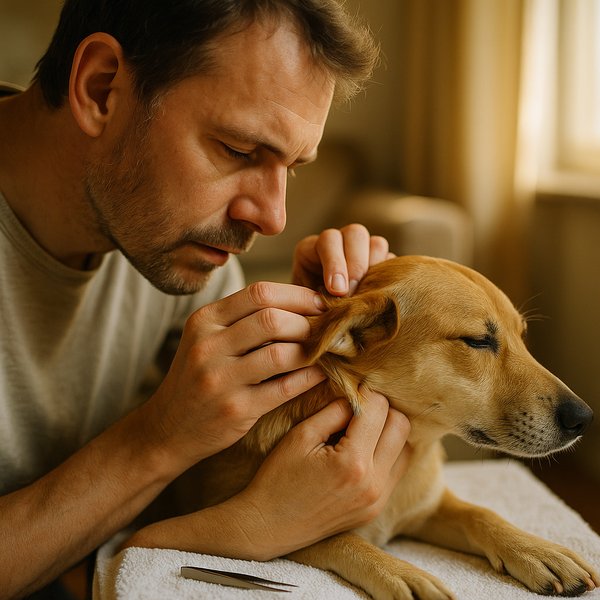
Why Correct Tick Removal Matters So Much
Finding a tick attached to your dog or cat can be unsettling, but how you remove it matters just as much as removing it quickly. A poorly executed removal can leave the tick's mouthparts embedded in the skin, increase the risk of infection, or — most concerning — squeeze infected saliva back into your pet's bloodstream.
Ticks are small parasitic arachnids that attach to feed on blood, and while they're most active in warmer months, they can be encountered year-round in many regions. Some species carry pathogens responsible for diseases like Lyme disease, ehrlichiosis, and babesiosis, which is why prompt, careful removal is one of the simplest ways you can protect your pet's health.
"The goal isn't just to get the tick off — it's to remove the whole tick, intact, without stressing it into releasing more saliva into the bite site. A slow, steady pull with fine-tipped tweezers beats a quick yank every time." — Dr. James Harper, DVM
Cats and dogs are both vulnerable, though cats tend to hide ticks more easily beneath their dense coats, so regular checks after outdoor time are essential for both species. If your pet also comes into contact with fleas outdoors, it's worth learning how fleas can spread tapeworms, since the two parasites are often found together in the same environments.
Step-by-Step: How to Remove a Tick Safely
Have your tools ready before you begin — rushing or improvising increases the chance of leaving mouthparts behind. Here's the method vets recommend:
- Gather supplies: fine-tipped tweezers or a specialised tick-removal tool, disposable gloves, antiseptic, and a small container with a lid.
- Part the fur gently around the tick so you can see the skin and the tick's head clearly.
- Grasp as close to the skin as possible — aim for the tick's head or mouthparts, not its body, to avoid squeezing its abdomen.
- Pull straight up with steady, even pressure. Do not twist or jerk, as this can cause the head to break off and remain embedded.
- Check the bite site to confirm the whole tick — including the head — has come away cleanly.
- Clean the area with a mild antiseptic and wash your hands thoroughly afterwards.
- Store the tick in a sealed container or ziplock bag with the date noted, in case your vet needs to identify the species later.
Your pet may flinch or wriggle during this process, and a calm, confident approach helps keep them settled. If you're unsure whether your pet is distressed or in discomfort during handling, it can help to review the general signs your pet is in pain so you can tell the difference between normal wriggling and genuine discomfort.
Once removed, monitor the bite site over the next few days for excessive redness, swelling, or discharge — mild irritation is normal, but anything worsening warrants a vet check.
What NOT to Do When Removing a Tick
Old home remedies for tick removal are widely shared but not always safe. Several common approaches can actually increase your pet's risk of infection rather than reduce it.
- Don't use a lit match or heat — this can cause the tick to regurgitate infected fluid into the wound instead of releasing its grip.
- Don't smother it in petroleum jelly, nail polish, or alcohol before removal — these methods are slow, ineffective, and can also trigger the same defensive regurgitation.
- Don't squeeze the tick's body with your fingers or blunt tweezers — this forces saliva and gut contents into the bite site.
- Don't twist or yank — this is the most common cause of leaving the head embedded in the skin.
- Don't ignore a partially removed tick — if mouthparts remain, contact your vet rather than digging at the skin yourself.
It's also worth avoiding any human topical medications or oral remedies you may have on hand at home — some over-the-counter products designed for people are toxic to pets even in small amounts. If you're ever tempted to reach for something from your own medicine cabinet, read up on why human medications can be dangerous for pets first.
The safest approach is always mechanical removal with proper tools, followed by careful observation. When in doubt about technique, a quick call to your vet clinic can talk you through it in real time.
Aftercare: Looking After the Bite Site
Once the tick is out, the bite site needs a little attention over the following days. A small red bump or mild swelling immediately after removal is normal and usually settles within 24–48 hours.
- Clean the area once daily with a mild antiseptic solution recommended by your vet.
- Discourage licking or scratching, as this can introduce bacteria and delay healing.
- Check daily for signs the area is worsening rather than improving.
- Note the date of the bite somewhere memorable — this becomes important if illness symptoms appear weeks later.
Persistent redness, a hard lump that doesn't shrink, oozing discharge, or a bite site that seems increasingly painful to the touch are all reasons to book a vet visit. Secondary skin infections can develop at bite sites, and in rare cases they can resemble other conditions — much like how eye infections in pets can sometimes be mistaken for something more minor before they're properly assessed.
If you travel with your pet regularly, particularly to wooded, coastal, or rural areas either domestically or abroad, tick exposure risk rises considerably. It's worth reviewing travel vaccination and parasite prevention requirements well ahead of any trip, since some regions carry tick-borne diseases not common at home.
Warning Signs of Tick-Borne Illness to Watch For
Tick-borne diseases don't usually cause symptoms immediately — they often take one to three weeks to appear, sometimes longer. This delay is exactly why noting the date of a tick bite matters so much; it gives you and your vet a timeline to work from if your pet becomes unwell weeks later.
Signs to monitor for over the following month
- Lethargy or reduced interest in play and walks
- Fever, or a warm feeling to the ears and paws
- Swollen, painful, or stiff joints — sometimes shifting from one leg to another
- Reduced appetite
- Unexplained lameness or reluctance to move
- Swollen lymph nodes
- Pale gums or unusual bruising, which can indicate more serious blood-related complications
These symptoms can be subtle at first and are easy to dismiss as your pet simply having an "off day." Cats in particular are skilled at masking illness, so a gradual decline in energy or appetite deserves attention rather than a wait-and-see approach.
Because several of these signs — fatigue, joint pain, appetite changes — overlap with other conditions, including diabetes in dogs, a proper veterinary diagnosis is the only reliable way to confirm what's going on.
Use PetCare.AI's free symptom checker to assess your pet's condition and get instant guidance.
Try PetCare.AI Free →When to See a Vet, and Reducing Future Risk
If your pet develops any combination of fever, lethargy, joint swelling, or appetite loss in the weeks following a tick bite, don't wait for symptoms to worsen — book a vet appointment and mention the date and location of the bite. Blood tests can confirm or rule out tick-borne infections, and early treatment with antibiotics is highly effective for most bacterial tick-borne diseases.
Beyond the removal itself, prevention remains your strongest tool. Year-round tick preventatives, regular coat checks after walks in long grass or wooded areas, and keeping garden vegetation trimmed all reduce exposure significantly. Diagnostic testing and any ongoing treatment for tick-borne illness can add up, so it's worth planning ahead — many owners find it reassuring to build toward an emergency vet fund that covers unexpected diagnostics and treatment costs.
Ticks are a manageable risk with the right habits: check your pet after every outdoor outing, remove any tick promptly using the correct technique, and stay alert to subtle changes in energy or mobility for several weeks afterwards. Acting early — both in removal and in seeking veterinary advice — is what keeps a tick bite a minor inconvenience rather than a serious illness.
Find trusted veterinarians near you on PetCare.AI and book a consultation.
Find a Vet →Chat with Rio, our AI health companion, for personalised guidance on your pet's nutrition and weight management.