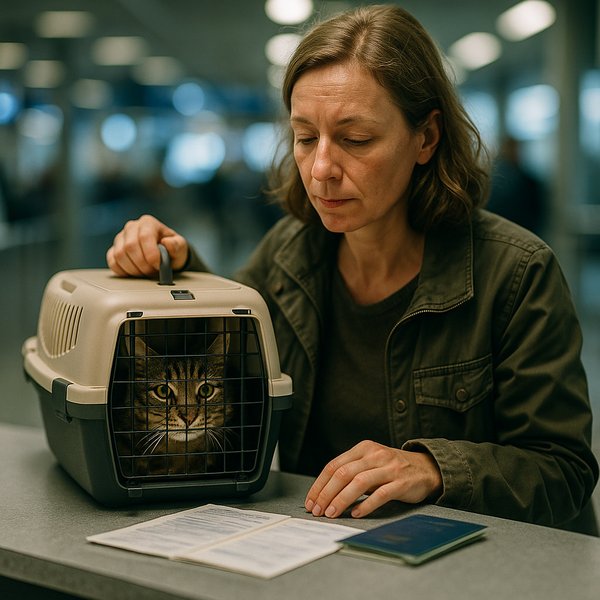
Travel Vaccinations for Pets — Complete International and Domestic Guide
Essential vaccination requirements and health certificates for travelling with your pet safely abroad and domestically.
Understanding Travel Vaccination Requirements
Travelling with your pet requires careful planning, and vaccinations form the cornerstone of safe international and domestic journeys. Different destinations have varying requirements, and understanding these well in advance prevents last-minute complications that could derail your travel plans.
"Pet travel regulations exist to prevent the spread of infectious diseases across borders. Planning vaccination schedules 3-6 months ahead ensures compliance and protects both your pet and the destination community." — Dr. James Harper, DVM
The rabies vaccination remains the most universally required immunisation for pet travel. Most countries mandate proof of current rabies vaccination, typically requiring the vaccine to be administered at least 21 days before travel but not more than one year prior (depending on vaccine type).
Beyond rabies, requirements vary significantly by destination. Some countries require additional vaccines against distemper, hepatitis, and parvovirus for dogs, or feline viral rhinotracheitis and calicivirus for cats. Researching your specific destination's requirements through official government channels ensures you meet all obligations.
Essential Health Certificates and Documentation
A veterinary health certificate serves as your pet's official travel passport, confirming their fitness for travel and vaccination status. This document must be issued by an accredited veterinarian within a specific timeframe before departure—typically 10 days for international travel.
The health certificate includes several critical components:
Complete vaccination history with batch numbers and dates
Physical examination findings confirming good health
Parasite treatment records (if required by destination)
Microchip identification number and verification
Owner and pet identification details
For international travel, many countries require endorsement of the health certificate by your national veterinary authority. In the UK, this means APHA (Animal and Plant Health Agency) endorsement, whilst other countries have similar governmental approval processes.
Some destinations also require specific blood tests, such as rabies antibody titres, which must be conducted at approved laboratories. These tests verify that your pet's immune response to vaccination is adequate for protection. Understanding microchipping requirements alongside vaccination records ensures complete documentation compliance.
Timeline Planning for Your Vaccination Schedule
Successful pet travel requires strategic timing, with some requirements taking months to fulfil. Creating a comprehensive timeline prevents rushing and ensures all documentation is valid when you need it.
3-6 Months Before Travel
Research destination-specific requirements
Schedule rabies vaccination if due for renewal
Book blood tests for rabies antibody titres (if required)
Begin any required parasite prevention programmes
4-6 Weeks Before Travel
Complete any additional required vaccinations
Schedule pre-travel health examination
Apply for health certificate appointment
Confirm microchip functionality and registration
1-2 Weeks Before Travel
Obtain veterinary health certificate
Submit documents for government endorsement
Confirm airline pet travel arrangements
Prepare travel carriers and comfort items
Many pet owners underestimate the time needed for government endorsement of health certificates. This process can take 5-10 working days, so planning ahead prevents travel delays. Maintaining comprehensive preventative care programmes throughout the year makes travel preparation much smoother.
🧑⚕️
Need professional guidance?
Find trusted veterinarians near you on PetCare.AI and book a consultation.
Travel requirements vary dramatically between destinations, with some countries maintaining strict quarantine protocols whilst others allow immediate entry with proper documentation. Understanding these variations helps you choose appropriate travel destinations and prepare accordingly.
EU Pet Passport Scheme
European Union countries operate under a harmonised pet passport system, allowing relatively free movement between member states. Pets need current rabies vaccination, microchip identification, and an EU pet passport issued by an authorised veterinarian.
High-Risk Rabies Countries
Countries like Australia, New Zealand, and Japan maintain stringent entry requirements due to their rabies-free status. These destinations typically require:
Rabies antibody titre tests from approved laboratories
Extended waiting periods (sometimes 6+ months) after blood tests
Mandatory quarantine periods upon arrival
Import permits obtained months in advance
Domestic Travel Considerations
Even domestic travel within your own country may require vaccination documentation, particularly for airline travel or boarding facilities. Many airlines require current vaccination certificates and health documentation for pets travelling in cabin or cargo.
Some regions within countries have specific requirements—for example, certain states or provinces may require additional vaccinations against regional diseases. Researching both your departure and arrival locations ensures comprehensive compliance.
Common Mistakes and Costly Oversights
Travel vaccination mistakes can result in denied boarding, expensive quarantine periods, or forced return journeys. Learning from common oversights helps you avoid these costly complications.
Timing errors represent the most frequent mistake. Many owners discover too late that their pet's rabies vaccination expires during travel, or that required blood tests take weeks to process. Always check vaccination expiry dates well in advance.
Documentation mistakes also cause significant problems:
Unsigned or incorrectly completed health certificates
Missing government endorsements on international documents
Outdated vaccination certificates or missing batch numbers
Microchip numbers that don't match registration databases
Country-specific oversights catch many travellers unprepared. Some destinations require specific vaccine brands, particular laboratory testing, or additional treatments against parasites not common in your home country.
Budget planning often overlooks hidden costs. Government endorsements, laboratory tests, and expedited processing fees can add hundreds to your travel budget. Factor these expenses into your planning, alongside potential cost-saving strategies for routine veterinary care.
Airline policy misunderstandings also create problems. Pet travel policies vary between carriers, with different requirements for carrier dimensions, vaccination documentation, and seasonal restrictions. Confirming these details directly with your airline prevents last-minute surprises.
Maintaining Compliance for Ongoing Travel
Frequent travellers with pets benefit from maintaining travel-ready vaccination status year-round. This approach eliminates last-minute rushing and ensures flexibility for spontaneous travel opportunities.
Establish a vaccination calendar that accounts for travel requirements, not just basic health needs. Schedule rabies vaccinations to provide maximum validity periods, and maintain current records of all additional vaccines that common destinations require.
Digital documentation storage proves invaluable for frequent travellers. Maintain secure cloud copies of all vaccination certificates, health records, and government endorsements. This backup system prevents travel disruption if physical documents are lost or damaged.
Building relationships with travel-experienced veterinarians streamlines the process significantly. Vets familiar with international requirements can guide you through complex documentation and suggest optimal vaccination timing for your travel patterns.
Consider maintaining pet insurance that covers travel-related veterinary care. Some policies include coverage for emergency treatments abroad, providing peace of mind during international journeys.
Regular health monitoring becomes even more important for travelling pets. Schedule routine examinations to catch any developing health issues that could complicate travel plans. Maintaining excellent baseline health makes the pre-travel veterinary examination straightforward and stress-free.
🐾
Have questions about your pet's health?
Chat with Rio, our AI health companion, for personalised guidance tailored to your pet's needs.