Socialisation Walks for Puppies: Building Confidence Step by Step
Master the art of socialisation walks to help your puppy develop into a confident, well-adjusted adult dog.
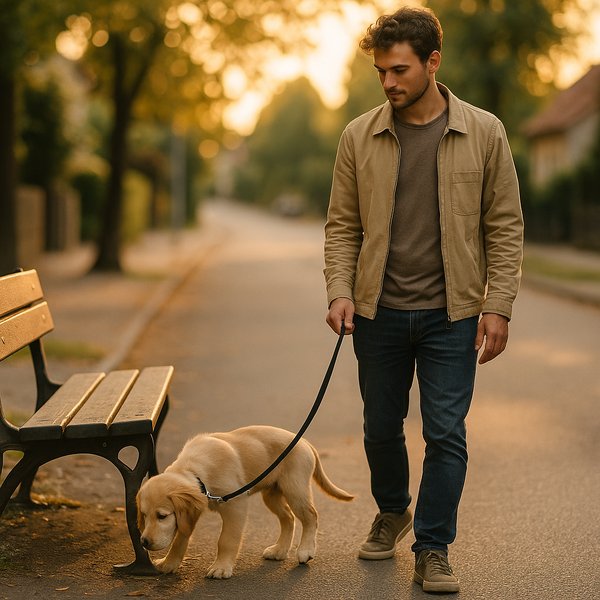
Preparing for Safe Socialisation Walks
Before venturing outside, ensure your puppy has received at least their first vaccination and has been cleared by your veterinarian for limited outdoor exposure. Most vets recommend waiting 1-2 weeks after the first vaccination before beginning socialisation walks in low-risk areas.
Essential Equipment
- Properly fitted collar or harness (check fit weekly as puppies grow rapidly)
- Short lead (1-2 metres maximum for better control)
- High-value treats in an easily accessible pouch
- Portable water bowl for longer outings
- Waste bags and basic first aid kit
Choose your routes carefully during the early stages. Avoid high-traffic dog areas like popular parks or busy pavements where unvaccinated dogs might have been. Instead, opt for quiet residential streets, your own garden, or controlled environments where you can manage interactions.
Timing matters significantly for successful socialisation walks. Plan outings when your puppy is alert but not overly energetic — typically mid-morning or early evening. Avoid walks immediately after meals or when your puppy seems tired or stressed. A well-timed socialisation walk should leave your puppy pleasantly tired, not overwhelmed or anxious.
Structured Exposure Techniques for Confident Development
The key to successful socialisation walks lies in gradual, positive exposure rather than overwhelming your puppy with too much stimulus at once. Start with short 5-10 minute outings focused on one or two specific experiences per walk.
The 'Observe and Reward' Method
- Position yourself at a comfortable distance from the stimulus (traffic, people, other dogs)
- Watch your puppy's body language for signs of curiosity rather than fear
- Reward calm, confident behaviour with treats and praise
- Gradually decrease distance as your puppy shows comfort
- Always end on a positive note before your puppy becomes overwhelmed
Focus on building positive associations with common urban experiences your puppy will encounter throughout life. This includes traffic sounds, people in different clothing (joggers, cyclists, people with umbrellas), various ground surfaces (concrete, grass, gravel), and different weather conditions.
Pay particular attention to your puppy's threshold distance — the point at which they notice something new but remain calm and curious. This distance will vary depending on the stimulus and your puppy's confidence level. Working just within this threshold allows for positive learning without creating fear-based associations. If you're setting up your puppy's complete care routine, our new puppy essentials guide covers all the fundamentals you'll need.
Reading Your Puppy's Body Language During Walks
Successful socialisation depends entirely on your ability to read your puppy's emotional state and respond appropriately. Puppies communicate their comfort levels through clear body language signals that every owner should recognise.
Signs of Positive Engagement
- Relaxed body posture with natural tail position
- Curious forward movement with loose, bouncy gait
- Soft eyes and relaxed facial expression
- Willingness to take treats and respond to cues
- Brief pauses to investigate followed by continued exploration
Warning Signs of Stress or Overwhelm
- Freezing in place or attempting to hide behind you
- Excessive panting, drooling, or trembling
- Tail tucked tightly or held rigidly high
- Refusal to move forward or strong pulling to retreat
- Loss of appetite for treats or inability to focus on you
When you notice stress signals, don't force your puppy to 'face their fears.' Instead, calmly increase distance from the stimulus until your puppy relaxes, then reward the calm behaviour. This teaches your puppy that you're a reliable source of safety and that retreat is always an option.
Remember that puppies have limited attention spans and energy reserves. A successful socialisation walk might last only 10-15 minutes but provide weeks' worth of positive memories. Quality of experience always trumps quantity when it comes to building confidence.
Chat with Rio, our AI health companion, for personalised guidance tailored to your pet's needs.
Ask Rio →Progressive Difficulty Levels for Growing Confidence
As your puppy demonstrates comfort with basic experiences, you can gradually introduce more challenging situations. This progressive approach ensures steady confidence building without setbacks from overwhelming experiences.
Beginner Level (8-12 weeks)
- Quiet residential streets with minimal traffic
- Your own garden and immediate neighbourhood
- Brief encounters with calm, familiar people
- Different ground textures (grass, concrete, leaves)
- Basic household sounds from outdoors (lawnmowers, bins)
Intermediate Level (12-16 weeks)
- Busier pavements with moderate foot traffic
- Car parks and areas with vehicle movement
- Meeting friendly, vaccinated adult dogs (controlled introductions)
- Children playing at a distance
- Weather variations (light rain, wind)
Each level should be mastered before progressing to the next. 'Mastery' means your puppy approaches new experiences with curiosity rather than fear, remains responsive to you, and recovers quickly from any momentary uncertainty.
Don't rush this progression based on age alone — some puppies need more time at each level depending on their temperament and breed characteristics. Confident breeds like retrievers might advance quickly, whilst more sensitive breeds may require additional support and slower progression. For puppies who seem anxious or fearful, maintaining healthy weight through proper nutrition can support their overall wellbeing; our puppy weight management guide offers valuable insights for growing dogs.
Troubleshooting Common Socialisation Challenges
Even with careful planning, you'll likely encounter situations where your puppy reacts with fear or overexcitement. These moments are learning opportunities rather than failures, provided you respond appropriately and adjust your approach.
The Fearful Puppy
If your puppy shows persistent fear of specific stimuli, resist the urge to comfort them with soothing words and attention, which can inadvertently reinforce the fearful response. Instead, remain calm and matter-of-fact. Create positive associations by engaging in fun activities (like basic training games) at a comfortable distance from the feared object.
The Overexcited Puppy
Some puppies become overstimulated by new experiences, leading to excessive jumping, barking, or pulling. This enthusiasm, whilst positive, needs channelling. Use high-value treats to maintain your puppy's attention on you, practice basic commands to redirect focus, and take regular breaks in quieter areas to help them settle.
Regression Periods
Don't be surprised if your puppy suddenly seems fearful of previously accepted experiences. Fear periods are normal developmental stages that typically occur around 8-10 weeks and again around 6 months. During these times, avoid introducing new challenges and focus on reinforcing positive associations with familiar experiences.
If problems persist despite consistent effort, don't hesitate to seek professional help. A qualified puppy trainer or veterinary behaviourist can identify specific issues and provide targeted strategies. Early intervention prevents minor concerns from developing into serious behavioural problems that affect your dog's quality of life.
Remember that socialisation is an ongoing process that extends well beyond puppyhood. Continue providing new, positive experiences throughout your dog's life to maintain their confidence and adaptability. A well-socialised puppy becomes an adult dog who enhances rather than limits your shared adventures.
Chat with Rio, our AI health companion, for personalised guidance on your pet's nutrition and weight management.