Your New Puppy Checklist: Everything You Need Before They Arrive
From food bowls to first vet visits — a complete checklist to prepare your home and family for a new puppy.
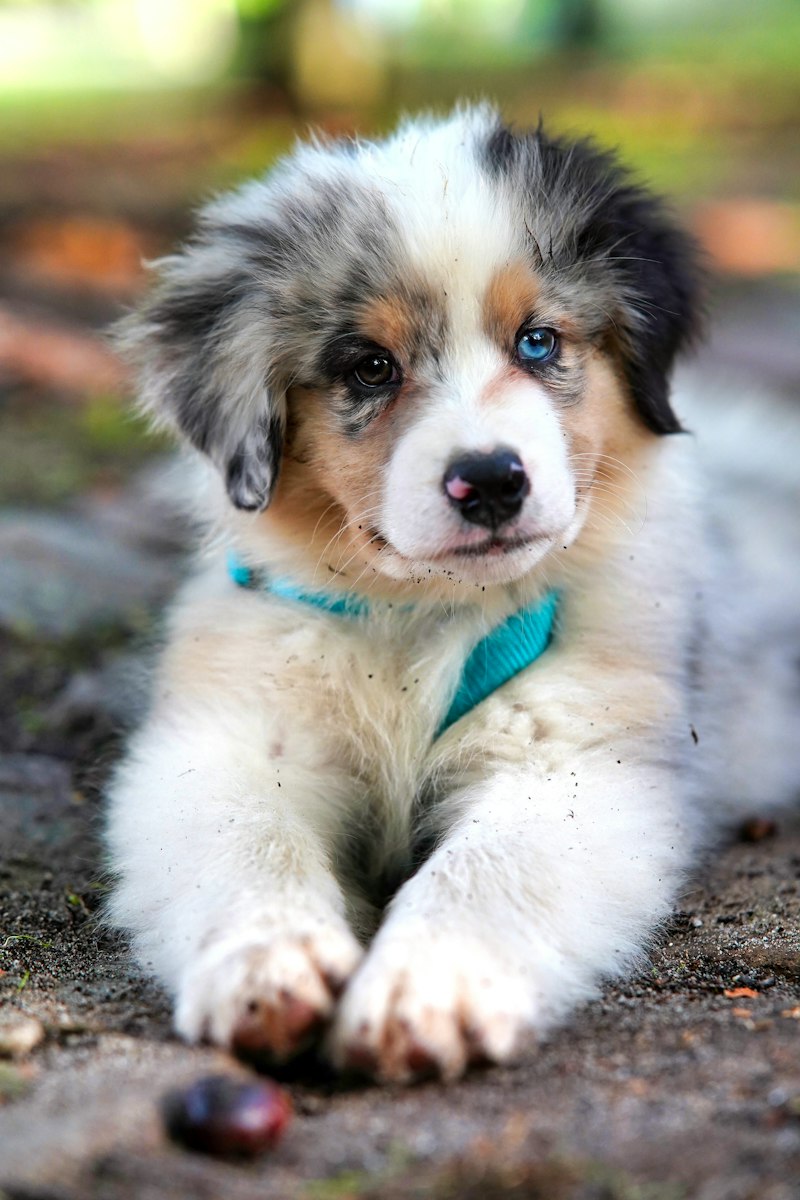
Before Your Puppy Arrives
Bringing a puppy home is one of life's most exciting moments — but a little preparation goes a long way. The first 48 hours set the tone for your puppy's entire adjustment period, so having everything ready in advance means you can focus on bonding instead of scrambling for supplies.
This checklist covers the essential items, home safety steps, and first-week priorities recommended by veterinarians and experienced breeders. Whether you're adopting from a shelter or bringing home a pedigree pup, these fundamentals apply to every new dog owner.
"The biggest mistake new puppy owners make is underestimating the first week. Preparation isn't just about supplies — it's about creating a calm, safe space for a very overwhelmed little animal." — Dr. Sarah Chen, DVM
Essential Supplies Checklist
These are the non-negotiable items to have ready on day one:
Feeding
- Food bowls — stainless steel or ceramic (avoid plastic, which harbours bacteria)
- Puppy food — the same brand the breeder/shelter was using (switch gradually over 7–10 days)
- Treats — small, soft training treats for positive reinforcement
Sleeping & Containment
- Crate — sized so your puppy can stand, turn, and lie down comfortably
- Bedding — washable crate pad or blanket
- Playpen or baby gates — to limit access to safe areas
Walking & ID
- Collar and ID tag — with your phone number
- Lead — a standard 1.5m lead (not retractable for puppies)
- Poo bags
Grooming & Health
- Puppy shampoo
- Nail clippers — puppy-sized
- Toothbrush and pet toothpaste — start early to build the habit (see our dental care guide)
Toys & Enrichment
- Chew toys — essential during teething
- Interactive puzzle toys — keeps their brain busy
- Soft toy — for comfort (a heartbeat toy can help the first nights)
Puppy-Proofing Your Home
Puppies explore the world with their mouths. Before they arrive, do a room-by-room safety sweep:
- Electrical cords — tuck away or cover with cord protectors
- Toxic plants — lilies, sago palms, and many common houseplants are dangerous (see our full list of toxic plants and foods)
- Small objects — coins, rubber bands, hair ties, children's toys
- Medications — secure all human and pet medications in closed cabinets
- Cleaning products — store in locked or high cupboards
- Bins — use pedal bins with secure lids
- Garden hazards — check for toxic plants, slug pellets, antifreeze, and gaps in fencing
Designate a "puppy zone" — a single room or section of your home where your puppy spends their first few weeks. This reduces overwhelm and makes house-training much easier.
The First Vet Visit
Schedule your puppy's first veterinary appointment within 48–72 hours of bringing them home. This initial check-up establishes a health baseline and catches any issues early.
What to expect:
- Full physical exam — heart, lungs, eyes, ears, joints, skin
- Vaccination review — confirm what's been given and schedule the remaining course (see our preventative care schedule)
- Deworming and flea prevention plan
- Microchip check — ensure details are registered to you
- Nutrition discussion — puppy weight guidance and feeding frequency
- Spay/neuter timeline discussion
Bring any paperwork from the breeder or shelter, including vaccination records, deworming history, and health certificates.
Find trusted veterinarians near you on PetCare.AI and book a consultation.
Find a Vet →Surviving the First Night
The first night is often the hardest — for both of you. Your puppy has just left their mother and littermates, and everything smells, sounds, and feels different.
Tips from experienced owners:
- Keep the crate near your bed — your presence is reassuring
- Offer a warm water bottle wrapped in a blanket — mimics litter warmth
- Play calming music or white noise
- Take them out for a toilet break right before bed and set an alarm for 3–4 hours later
- Don't give in to whining — comfort briefly, then let them settle
Most puppies adjust within 3–5 nights. If crying persists beyond the first week, it may signal discomfort or a health issue — ask Rio for a quick check.
Your First Week Game Plan
The first week is about building trust, establishing routine, and starting gentle training. Resist the urge to introduce your puppy to everyone and everything all at once.
Daily Routine Template
- Morning — toilet break, breakfast, short play session
- Mid-morning — nap time in crate (puppies need 18–20 hours of sleep!)
- Lunchtime — toilet break, second meal, gentle exploration
- Afternoon — nap, then short training session (5 mins max)
- Evening — dinner, family time, final toilet break
Training Priorities
- Name recognition — say their name, reward when they look at you
- Toilet training — take them out every 1–2 hours and after every meal, nap, and play
- Crate familiarity — feed meals inside, never use as punishment
- Gentle handling — touch paws, ears, mouth daily to prepare for grooming and vet visits
Chat with Rio, our AI health companion, for personalised guidance tailored to your pet's needs.
Ask Rio →Chat with Rio, our AI health companion, for personalised guidance on your pet's nutrition and weight management.