Heart Murmurs in Dogs and Cats — Understanding Innocent vs Pathological Murmurs
Learn to distinguish between harmless and serious heart murmurs in pets, plus when to worry and treatment options.
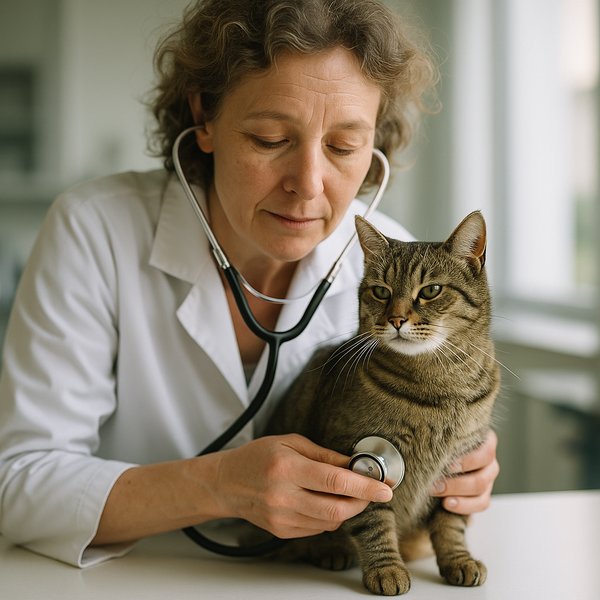
Understanding Heart Murmurs in Pets
A heart murmur is an abnormal sound heard when listening to your pet's heart with a stethoscope. Rather than the typical 'lub-dub' rhythm, veterinarians detect an additional whooshing, swishing, or rushing sound caused by turbulent blood flow through the heart chambers or blood vessels.
"Heart murmurs are surprisingly common in both dogs and cats, but the vast majority we detect during routine examinations are completely harmless. The key is distinguishing between innocent murmurs that require no treatment and pathological murmurs that signal underlying heart disease." — Dr. James Harper, DVM
Murmurs are graded on a scale from 1 to 6, with grade 1 being barely audible and grade 6 being so loud it can be felt through the chest wall. The grade doesn't always correlate with severity — some serious heart conditions produce quiet murmurs, whilst some innocent murmurs can be quite pronounced.
Many pet owners feel alarmed when their veterinarian first detects a murmur, but understanding the difference between innocent and pathological types can help you respond appropriately and make informed decisions about your pet's care.
Innocent Murmurs — When Not to Worry
Innocent murmurs (also called physiological or flow murmurs) are harmless sounds that don't indicate any structural heart problems. These occur when blood flows more rapidly than normal through a healthy heart, creating turbulence that produces the murmur sound.
Innocent murmurs are extremely common in young animals. Up to 50% of puppies under six months old have detectable innocent murmurs, which typically disappear as they mature and their heart structures develop fully. In kittens, innocent murmurs are less common but still occur in about 15-20% of young cats.
Characteristics of Innocent Murmurs:
- Usually grade 1-3 in intensity
- Often intermittent — may not be heard at every examination
- Tend to become quieter or disappear with age
- No associated symptoms like coughing, fatigue, or breathing difficulties
- Normal heart rhythm and no other abnormal sounds
Adult dogs and cats can also develop innocent murmurs during periods of stress, excitement, fever, or anaemia. These physiological murmurs resolve once the underlying condition improves. For healthy young pets with innocent murmurs, regular monitoring during routine check-ups is typically all that's needed.
Pathological Murmurs and Warning Signs
Pathological murmurs indicate structural abnormalities in the heart, such as valve defects, septal defects (holes in heart chambers), or enlarged heart chambers. These murmurs signal underlying heart disease that requires veterinary attention and ongoing management.
Unlike innocent murmurs, pathological murmurs don't typically resolve on their own and may worsen over time as the underlying heart condition progresses. Early detection and treatment are crucial for maintaining your pet's quality of life and preventing complications.
Warning Signs That Suggest a Pathological Murmur:
- Persistent coughing, especially at night or after exercise
- Reduced exercise tolerance or unusual fatigue
- Difficulty breathing or rapid breathing at rest
- Bluish tinge to gums or tongue (cyanosis)
- Fainting episodes or collapse
- Poor appetite or weight loss
- Restlessness or difficulty settling
Certain breeds are predisposed to congenital heart defects that cause pathological murmurs. Cavalier King Charles Spaniels frequently develop mitral valve disease, whilst Maine Coon cats are prone to hypertrophic cardiomyopathy. If you own a breed known for heart problems, regular cardiac monitoring becomes even more important.
Use PetCare.AI's free symptom checker to assess your pet's condition and get instant guidance.
Try PetCare.AI Free →Diagnostic Tests and Examination Process
When your veterinarian detects a heart murmur, they'll conduct a thorough cardiac examination to determine its significance. This process involves careful listening to identify the murmur's characteristics, timing within the heartbeat cycle, and location where it's loudest.
Your vet will assess whether the murmur is systolic (occurring during heart contraction) or diastolic (during heart relaxation). Most innocent murmurs are systolic, whilst diastolic murmurs almost always indicate heart disease. They'll also evaluate your pet's overall clinical signs, exercise tolerance, and breed-specific risk factors.
Additional Diagnostic Tests May Include:
- Chest X-rays — reveal heart size, shape, and any fluid accumulation in the lungs
- Echocardiogram — ultrasound of the heart showing detailed structure and function
- Electrocardiogram (ECG) — measures electrical activity and rhythm abnormalities
- Blood pressure measurement — high blood pressure can cause or worsen heart problems
- Blood tests — check for underlying conditions like thyroid disease or kidney problems
For young animals with suspected innocent murmurs, your vet may recommend a 'wait and monitor' approach, rechecking the murmur every few months to see if it resolves. However, if your pet shows any concerning symptoms or the murmur has suspicious characteristics, immediate diagnostic testing helps rule out serious heart disease.
Treatment Options and Long-term Management
Treatment approaches for heart murmurs depend entirely on whether they're innocent or pathological. Innocent murmurs require no treatment — simply routine monitoring to ensure they remain benign and don't develop into something more serious as your pet ages.
For pathological murmurs caused by underlying heart disease, treatment focuses on managing the specific condition and preventing complications. Congestive heart failure medications like ACE inhibitors, diuretics, and heart rhythm drugs can significantly improve quality of life and slow disease progression.
Management Strategies Include:
- Medication therapy — tailored to the specific type of heart disease present
- Dietary modifications — low-sodium diets and weight management programmes
- Exercise restriction — limiting intense activity whilst maintaining gentle, regular movement
- Regular monitoring — periodic examinations, X-rays, and echocardiograms
- Nutritional support — omega-3 fatty acids and other heart-healthy supplements
Maintaining an appropriate weight is crucial for all pets with heart murmurs, as excess weight puts additional strain on the cardiovascular system. Learn more about preventing obesity in young pets to establish healthy habits early. Regular exercise within your pet's limitations helps maintain muscle tone and circulation without overexerting the heart.
Many pets with well-managed heart conditions live comfortable, fulfilling lives for years after diagnosis. The key is working closely with your veterinary team to monitor progression and adjust treatment as needed.
Living with Heart Murmurs — What Pet Owners Need to Know
If your pet has been diagnosed with a heart murmur, understanding what to expect and how to provide the best care can help you feel more confident and prepared. The prognosis varies widely depending on the underlying cause, your pet's age, and how early the condition was detected.
For pets with innocent murmurs, life continues completely normally with no restrictions. These animals can exercise freely, reproduce if desired, and require no special dietary considerations. Simply maintain regular veterinary check-ups to ensure the murmur remains innocent as your pet matures.
Pets with pathological murmurs need more careful monitoring and lifestyle adjustments. Watch for subtle changes in breathing patterns, energy levels, or appetite that might indicate disease progression. Many owners find it helpful to keep a simple daily log of their pet's activity level, appetite, and any symptoms.
Important Monitoring Points:
- Resting respiratory rate (normal: 10-30 breaths per minute for dogs, 20-30 for cats)
- Exercise tolerance — note if they tire more easily than usual
- Eating and drinking habits
- Sleep quality and comfort positions
- Any new coughing or breathing difficulties
When planning for your pet's long-term care, consider discussing heart-healthy nutrition with your veterinarian. Proper feeding guidelines become especially important for maintaining optimal body condition. Remember that many pets with heart conditions continue to enjoy excellent quality of life with appropriate management, regular veterinary care, and lots of love from their families.
Find trusted veterinarians near you on PetCare.AI and book a consultation.
Find a Vet →Chat with Rio, our AI health companion, for personalised guidance on your pet's nutrition and weight management.