Cherry Eye and Third Eyelid Problems in Dogs and Cats
Vet-reviewed guide to cherry eye, third eyelid protrusion, and nictitating membrane disorders — causes, surgery options, and breed risks.
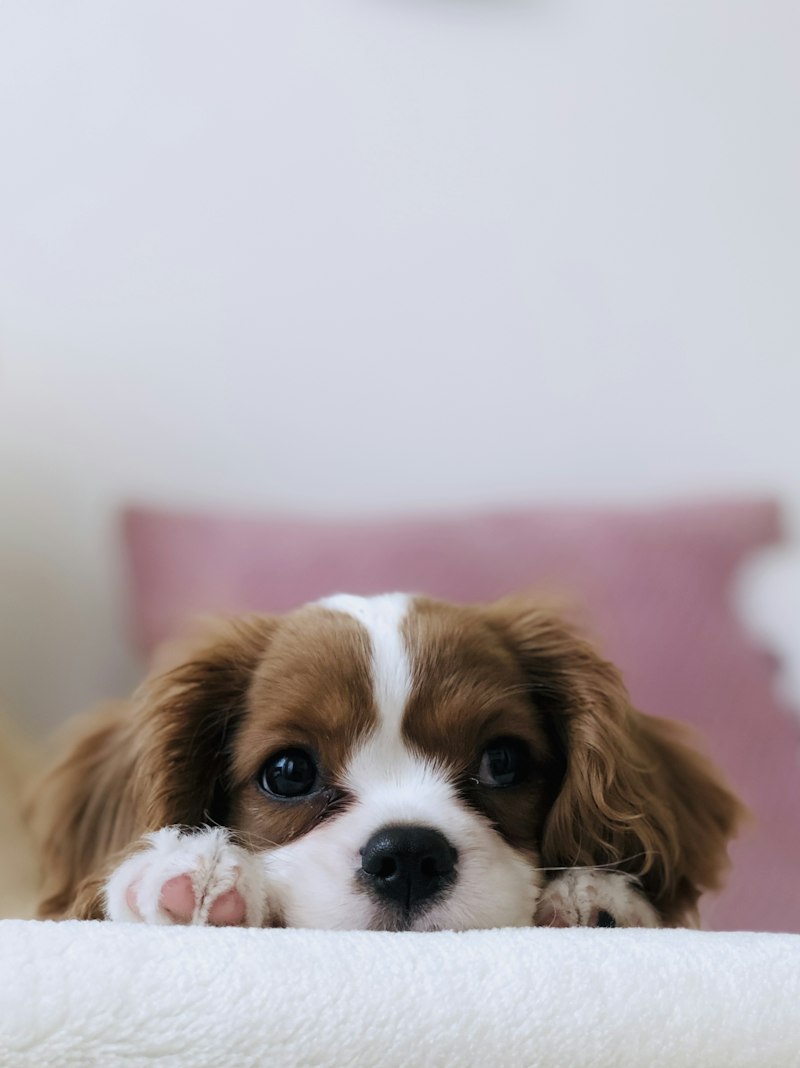
Understanding the Third Eyelid
Dogs and cats have a structure that most humans don't — a third eyelid (nictitating membrane), a thin tissue that sits in the inner corner of each eye. You've probably seen it: that pinkish-white membrane that sometimes slides partially across the eye when your pet is sleepy or unwell.
"The third eyelid is one of the most underappreciated structures in veterinary ophthalmology. It produces roughly 30–50% of the tear film, protects the cornea, and houses immune tissue that defends against infection. When it malfunctions, the consequences for the eye can be significant." — Dr. Sarah Chen, DVM
The third eyelid serves three critical functions:
- Tear production — a large gland at the base of the third eyelid (the nictitans gland) produces a substantial portion of the watery component of tears
- Physical protection — sweeps across the eye to remove debris, like a windscreen wiper
- Immune defence — contains lymphoid tissue (conjunctival-associated lymphoid tissue, CALT) that produces antibodies against pathogens
The most common third eyelid problem is cherry eye — prolapse of the nictitans gland — but other conditions include third eyelid elevation (various causes), scrolling of the cartilage, and tumours. Understanding these conditions helps you respond appropriately when something looks wrong. For a broader overview, see our common eye problems guide.
Cherry Eye: What It Is and Which Breeds Are at Risk
Cherry eye occurs when the gland of the third eyelid pops out of its normal position (prolapses) and appears as a smooth, round, pink or red mass in the inner corner of the eye. It looks exactly like its name suggests — a small cherry sitting in the corner of the eye.
What Causes It?
The nictitans gland is normally held in place by a ligament that connects it to the bone around the eye. In some animals, this ligament is weak or absent from birth, allowing the gland to flip forward. The exact cause is a combination of genetics and anatomy — it's a structural weakness, not an infection or injury.
Breeds at Highest Risk (Dogs)
- English Bulldogs — the poster breed; incidence may exceed 30%
- French Bulldogs — similarly high incidence
- Cocker Spaniels — both American and English varieties
- Beagles
- Bloodhounds and Basset Hounds
- Shar-Peis
- Shih Tzus and Lhasa Apsos
- Neapolitan Mastiffs, Cane Corsos
- Great Danes
In Cats
Cherry eye is rare in cats. When a cat's third eyelid protrudes, it's more commonly due to Horner's syndrome, dehydration, gastrointestinal illness, or a mass behind the eye — not gland prolapse. A prominent third eyelid in a cat always warrants a vet visit to investigate the underlying cause.
Age of Onset
Cherry eye typically appears in puppies and young dogs between 3 months and 2 years. If it occurs in one eye, there's approximately a 40% chance the other eye will develop it too, often within months.
Treatment: Why Surgery Is the Right Choice
Cherry eye requires surgical correction. Despite well-meaning internet advice about massage techniques to 'push it back in,' the gland will almost always re-prolapse without surgical fixation.
Why Not Just Remove the Gland?
Historically, vets removed the prolapsed gland entirely — it was quicker and simpler. We now know this was a serious mistake. The nictitans gland produces 30–50% of tears. Removing it dramatically increases the risk of developing keratoconjunctivitis sicca (dry eye / KCS) later in life — a painful, chronic condition requiring lifelong treatment. Gland removal is no longer considered acceptable practice except in rare circumstances where the gland is diseased or cancerous.
Surgical Repair Techniques
Modern cherry eye surgery repositions and anchors the gland back to its normal position:
- Pocket technique (Morgan pocket) — the most common method. A pocket is created in the conjunctival tissue around the gland, the gland is tucked in, and the pocket is sutured closed over it. Success rate: 85–95%
- Anchoring technique — the gland is sutured directly to the periosteum (bone lining) around the eye orbit, holding it in place. Sometimes combined with the pocket technique for maximum security
Practical Details
- Anaesthesia: general anaesthesia required
- Surgery time: 20–40 minutes per eye
- Cost: £300–£800 / $400–$1000 per eye
- Recovery: e-collar for 10–14 days, antibiotic/anti-inflammatory eye drops, activity restriction
- Recurrence rate: 5–15% may re-prolapse and need a second surgery
If your puppy develops cherry eye, don't panic — it's not painful (though it is uncomfortable and looks alarming). Schedule surgery within a few weeks. Leaving it untreated long-term risks chronic inflammation, secondary infection, and gland damage that reduces tear production even if repaired later.
Find trusted veterinarians near you on PetCare.AI and book a consultation.
Find a Vet →Other Third Eyelid Conditions to Know About
While cherry eye gets the most attention, several other third eyelid conditions can affect pets:
Third Eyelid Elevation (Protrusion)
When the third eyelid is visible across part of the eye without gland prolapse. This is a sign, not a disease — it indicates something else is going on:
- Pain in the eye — any painful eye condition can cause the third eyelid to elevate protectively
- Horner's syndrome — damage to the sympathetic nerve supply (ear infection, chest mass, or idiopathic) causes the third eyelid to rise alongside a small pupil, droopy eyelid, and sunken eye
- Gastrointestinal illness — common in cats; bilateral third eyelid elevation during a bout of diarrhoea or vomiting
- Dehydration — loss of fat behind the eye causes the eye to sink slightly, pushing the third eyelid forward
- Haw's syndrome (cats) — bilateral third eyelid protrusion in young cats, often following a viral illness, usually self-resolving within weeks
Scrolled (Everted) Cartilage
The third eyelid contains a T-shaped cartilage that can curl outward in growing dogs (usually large breeds like Great Danes, German Shorthaired Pointers, and Weimaraners). The curled cartilage pushes the third eyelid into an abnormal position. Treatment involves surgically removing the deformed portion of cartilage — not the entire third eyelid.
Third Eyelid Tumours
Uncommon but important:
- In dogs — most third eyelid tumours are benign (adenomas), but squamous cell carcinomas do occur, especially in large breeds
- In cats — squamous cell carcinoma is more common, particularly in white-faced cats with UV exposure
Any mass on the third eyelid that doesn't resolve within a week should be evaluated by a vet. Early biopsy and excision is key for malignant tumours. For understanding pain signs in your pet that might indicate eye discomfort, see our dedicated guide.
Post-Surgery Care and Long-Term Eye Monitoring
Whether your pet has had cherry eye surgery or is being monitored for other eye conditions, proper aftercare and ongoing vigilance protect their vision:
Post-Cherry Eye Surgery Care
- E-collar 24/7 — for 10–14 days. Rubbing the eye post-surgery is the most common cause of repair failure
- Eye drops — typically antibiotic (prevent infection) and anti-inflammatory (reduce swelling) drops 2–3 times daily for 10–14 days
- Activity restriction — no rough play, no other dogs pawing at the face, no swimming for 2 weeks
- Monitor for swelling — mild swelling of the third eyelid area is normal for 3–5 days. Significant swelling, bleeding, or the gland popping back out requires an immediate vet call
- Suture check — your vet will recheck at 10–14 days. Dissolvable sutures are usually used but may need trimming if they cause irritation
Long-Term Monitoring After Cherry Eye Repair
- Tear production checks — schedule a Schirmer tear test 3–6 months post-surgery, then annually. Even with successful repair, some dogs develop reduced tear production years later
- Watch the other eye — if cherry eye occurred in one eye, monitor the other closely for the first 1–2 years
- Annual eye exams — especially important for brachycephalic breeds who are prone to multiple eye conditions
General Eye Health Habits
- Clean eye discharge daily with a damp cotton pad — especially for flat-faced breeds where tears pool in facial folds
- Keep facial hair trimmed away from the eyes
- Avoid exposing your pet to irritants (cigarette smoke, aerosol sprays, dusty environments)
- When playing fetch or in brushy areas, be aware of eye injury risk from sticks and branches
Early detection and treatment of eye conditions is almost always cheaper and more effective than managing advanced disease. When in doubt, a quick vet check provides peace of mind and protects your pet's most precious sense.
Chat with Rio, our AI health companion, for personalised guidance tailored to your pet's needs.
Ask Rio →Chat with Rio, our AI health companion, for personalised guidance on your pet's nutrition and weight management.