Yeast Infections in Dogs: Ears, Paws & Skin — Complete Treatment Guide
Learn to identify and treat common yeast infections in dogs. Expert-backed prevention tips and treatment options for lasting relief.
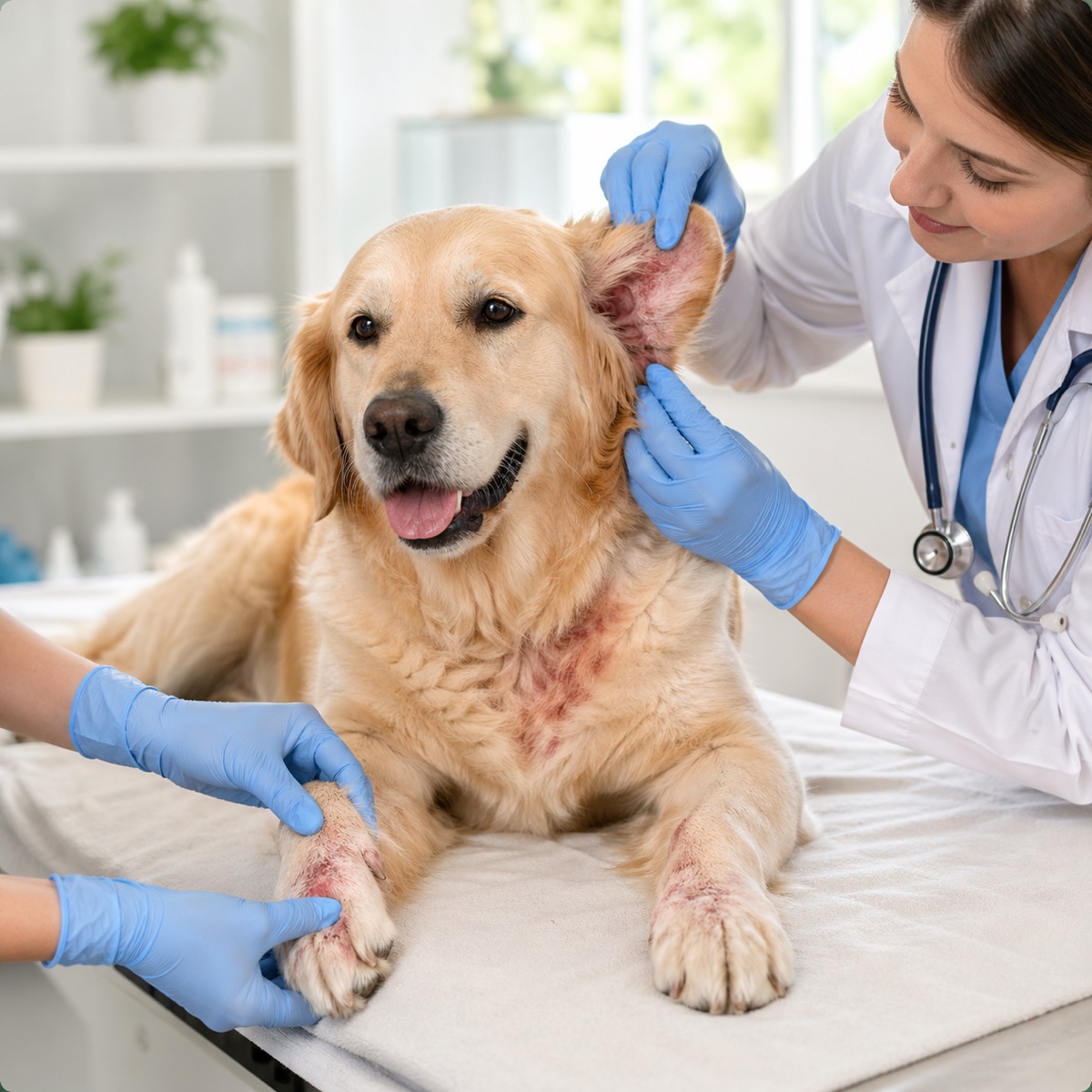
Understanding Yeast Infections in Dogs
Yeast infections in dogs are surprisingly common fungal conditions that can affect the ears, paws, and skin folds. Unlike bacterial infections, these are caused by an overgrowth of naturally occurring yeast organisms, particularly Malassezia pachydermatis, which normally live harmlessly on your dog's skin.
Under normal circumstances, your dog's immune system and beneficial bacteria keep yeast populations in check. However, when this delicate balance is disrupted—often due to allergies, moisture, or compromised immunity—yeast can multiply rapidly, leading to uncomfortable infections.
"Yeast infections are one of the most misdiagnosed conditions I see in practice. Many owners assume it's just dirt or wax, but the distinctive sweet, musty smell and persistent itching are telltale signs that need proper veterinary attention." — Dr. James Harper, DVM
These infections are particularly frustrating because they tend to recur if the underlying cause isn't addressed. Dogs with allergies, those living in humid climates, or breeds with floppy ears are especially susceptible. The good news? With proper identification and treatment, most yeast infections resolve completely.
Unlike some fungal conditions, yeast infections aren't contagious between pets or to humans, making them easier to manage in multi-pet households.
Recognising the Signs: Where Yeast Infections Strike
Yeast infections have distinct symptoms that differ depending on the affected area. Learning to recognise these early warning signs can help you seek treatment before the infection becomes severe and your dog suffers unnecessarily.
Ear Infections (Most Common)
- Dark, waxy discharge with a distinctive sweet or musty smell
- Intense scratching at ears, often causing bleeding
- Head shaking that seems excessive or violent
- Red, inflamed ear canals
- Brown or black debris that keeps returning after cleaning
Paw Infections
- Persistent licking and chewing at paws
- Red, swollen areas between toes
- Brown staining on light-coloured fur from saliva
- Sweet, corn-chip-like odour from paws
- Limping or reluctance to walk on hard surfaces
Skin Fold Infections
- Moist, red patches in wrinkles or folds
- Strong, yeasty smell that worsens with moisture
- Dark discolouration of the skin
- Hair loss around affected areas
- Greasy feeling to the skin
The hallmark of yeast infections is the smell—often described as sweet, musty, or reminiscent of bread or corn chips. If you notice this distinctive odour alongside persistent itching, it's time for a veterinary examination.
What Triggers Yeast Infections: Causes and Risk Factors
Understanding why yeast infections develop is crucial for both treatment and prevention. These infections rarely occur in isolation—they're usually secondary to another underlying condition that creates an environment where yeast can thrive.
Primary Triggers
- Allergies: Food sensitivities and environmental allergies are the leading cause, creating inflammation that disrupts normal skin barriers
- Excessive moisture: Swimming, frequent baths, or living in humid conditions
- Compromised immune system: Stress, illness, or certain medications
- Hormonal imbalances: Thyroid disorders or Cushing's disease
- Bacterial infections: Can alter the skin's natural pH balance
High-Risk Dogs
Certain breeds and situations increase yeast infection susceptibility. Dogs with floppy ears like Cocker Spaniels, Basset Hounds, and Golden Retrievers are prone to ear infections due to reduced air circulation. Breeds with skin folds—Bulldogs, Pugs, and Shar Peis—frequently develop infections in their wrinkles.
Senior dogs face increased risk due to weakened immune systems, whilst young puppies may develop infections if they haven't built up sufficient beneficial bacteria. Dogs with underlying allergies are particularly susceptible, as the constant inflammation creates ideal conditions for yeast overgrowth.
Interestingly, over-cleaning can actually trigger infections by disrupting the natural balance of microorganisms on your dog's skin. This is why proper cleaning techniques and frequency are essential.
Professional Diagnosis and Treatment Options
Proper veterinary diagnosis is essential because yeast infections can mimic other conditions, and treatment approaches vary significantly. Your vet will typically perform several diagnostic tests to confirm the presence of yeast and rule out concurrent bacterial infections.
During examination, your vet may use cytology—taking samples from affected areas and examining them under a microscope. This quick test can immediately identify yeast organisms and determine if bacteria are also present. In chronic cases, fungal cultures might be necessary to identify specific yeast species and test antifungal sensitivity.
Treatment Approaches
- Topical antifungals: Medicated shampoos, sprays, or ear drops containing ingredients like miconazole or chlorhexidine
- Oral medications: For severe or widespread infections, drugs like ketoconazole or fluconazole may be prescribed
- Ear cleaning solutions: Specialised products that alter ear pH to discourage yeast growth
- Anti-inflammatory medications: To reduce itching and inflammation while antifungals work
Treatment duration varies but typically requires 2-4 weeks of consistent application. Your vet may recommend follow-up cytology to ensure the infection has cleared completely before discontinuing treatment.
For dogs with recurrent infections, identifying and managing underlying causes becomes paramount. This might involve allergy testing, dietary changes, or addressing hormonal imbalances.
Find trusted veterinarians near you on PetCare.AI and book a consultation.
Find a Vet →Home Care and Management Strategies
While professional treatment is essential, proper home care significantly improves treatment success and helps prevent recurrence. Your role in managing your dog's yeast infection is just as important as veterinary intervention.
Daily Care Routine
Ear maintenance is crucial for dogs prone to ear infections. Clean ears weekly with a vet-approved solution, ensuring you dry them thoroughly afterwards. Never use cotton swabs deep in the ear canal—instead, use cotton balls or gauze to clean only the visible portions.
For paw infections, daily paw soaks in warm water can provide relief and remove debris. After walks, especially in humid conditions, dry your dog's paws thoroughly and check between the toes for signs of irritation.
Environmental Management
- Maintain good air circulation in your dog's sleeping areas
- Use dehumidifiers in damp conditions
- Wash bedding frequently in hot water
- Avoid over-bathing—once monthly is sufficient for most dogs
- Choose hypoallergenic, fragrance-free grooming products
Diet can play a supporting role in yeast management. Some dogs benefit from limited ingredient diets that reduce potential allergens. Probiotics may help restore healthy gut bacteria, though evidence for their direct anti-yeast effects is still emerging.
Consider integrating these care practices with your dog's broader health routine. Regular exercise and stress reduction support immune function, whilst maintaining a healthy weight reduces skin fold problems. Senior dogs may need extra attention to hygiene as their mobility and grooming abilities decline.
Prevention and Long-Term Management Success
Preventing yeast infection recurrence requires a comprehensive approach that addresses both immediate triggers and underlying health conditions. The most successful prevention strategies focus on maintaining your dog's natural skin and ear health whilst minimising risk factors.
Allergy management forms the cornerstone of yeast prevention for susceptible dogs. Work with your vet to identify specific allergens through elimination diets or allergy testing. Environmental allergens like pollen or dust mites may require ongoing management through air filtration, regular cleaning, and possibly antihistamines during peak seasons.
Proven Prevention Strategies
- Establish consistent ear cleaning routines for high-risk breeds
- Monitor and control environmental humidity levels
- Address underlying health conditions promptly
- Maintain optimal body weight to reduce skin fold problems
- Use appropriate grooming products for your dog's skin type
- Schedule regular veterinary check-ups to catch issues early
For dogs with recurrent infections, your vet might recommend maintenance protocols involving periodic medicated baths or ear cleanings. These aren't daily requirements but rather scheduled interventions based on your dog's specific risk profile.
Watch for early warning signs and act quickly. The sooner you address emerging symptoms, the easier treatment becomes. Keep a health journal noting when infections occur—patterns often emerge that help identify triggers you might otherwise miss.
Remember that successful yeast management is a partnership between you and your veterinary team. With consistent care, appropriate treatment, and attention to underlying causes, most dogs with yeast infections can enjoy comfortable, infection-free lives. Don't let the occasional setback discourage you—persistence and proper veterinary guidance lead to long-term success.
Chat with Rio, our AI health companion, for personalised guidance tailored to your pet's needs.
Ask Rio →Chat with Rio, our AI health companion, for personalised guidance on your pet's nutrition and weight management.