World Veterinary Day: Celebrating the Heroes Behind Your Pet's Health
World Veterinary Day honours the vital role vets play in animal health, public safety, and the One Health movement. Learn how to appreciate your vet.
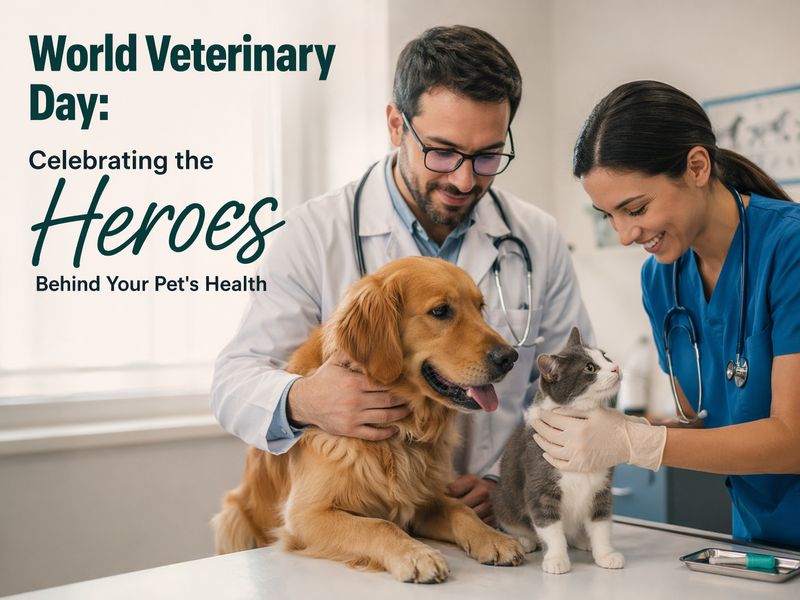
What Is World Veterinary Day?
Every year on the last Saturday of April, the world comes together to celebrate World Veterinary Day — a global tribute to the men and women who dedicate their lives to protecting animal health, ensuring food safety, and safeguarding public welfare. In 2025, World Veterinary Day falls on 26 April, under the powerful theme "One Health for One Earth: Uniting for the Future."
"Veterinarians are the silent guardians of both animal and human health. Their work at the intersection of species is what keeps our communities safe." — Dr. Meera Krishnan, BVSc & AH
Established by the World Veterinary Association (WVA) in 2000 and officially recognised by the World Organisation for Animal Health (WOAH) since 2010, this day serves as a reminder of the critical — and often unseen — contributions veterinarians make to society. From the village livestock doctor in rural India to the specialist surgeon performing cardiac operations on dogs, every vet plays a part in a vast, interconnected health ecosystem.
For pet parents, this day is an opportunity to pause and appreciate the person who keeps your furry companion healthy, happy, and safe — your veterinarian.
A Brief History and Why It Matters
The idea of dedicating a day to veterinarians emerged from a growing recognition that animal health professionals were undervalued despite their enormous impact. The WVA created World Veterinary Day to raise awareness about the breadth of veterinary work — far beyond just treating sick pets.
Key Milestones
- 2000 — World Veterinary Day inaugurated by the WVA
- 2010 — WOAH (formerly OIE) begins co-sponsoring the event
- 2011 — The WVA-WOAH Award introduced to recognise outstanding vet contributions
- 2020 — COVID-19 spotlights the critical role of vets in zoonotic disease prevention
- 2025 — Theme: "One Health for One Earth: Uniting for the Future"
In India, veterinary medicine has a proud heritage dating back thousands of years — the Ashoka edicts (3rd century BCE) mention animal hospitals and veterinary care. Today, India has over 120,000 registered veterinarians serving a pet population that has grown by over 30% in the last five years alone.
World Veterinary Day is significant because it reminds us that veterinary professionals do far more than administer vaccines and prescribe medications. They are researchers, educators, food safety inspectors, wildlife conservationists, and public health sentinels.
The One Health Concept: Why It Matters to Pet Parents
The 2025 theme — "One Health for One Earth" — highlights a concept that is transforming how we think about healthcare globally. One Health recognises that the health of humans, animals, and the environment are deeply interconnected.
What Does One Health Mean in Practice?
- Zoonotic diseases — Over 60% of infectious diseases in humans originate from animals. Vets are the first line of defence in detecting and preventing diseases like rabies, leptospirosis, and avian influenza before they spread to humans.
- Antimicrobial resistance — Responsible antibiotic use in animals directly affects human medicine. Your vet's careful prescribing protects both your pet and your family.
- Food safety — Veterinarians inspect and certify the safety of meat, dairy, and other animal products that reach your table.
- Environmental health — Wildlife veterinarians monitor disease in wild populations, protecting biodiversity and ecosystem stability.
As a pet parent, you are part of this One Health network. When you keep your pet's vaccinations up to date, practise responsible parasite prevention, and maintain regular vet visits, you are contributing to the health of your entire community — not just your pet.
Beyond the Clinic: What Veterinarians Really Do
Most pet parents interact with their vet during routine check-ups or when their pet is unwell. But the scope of veterinary work extends far beyond the consultation room.
The Many Roles of a Veterinarian
- Clinical practice — Diagnosing illness, performing surgery, managing chronic conditions, dental care, and emergency medicine
- Preventive medicine — Vaccination programmes, parasite control, dental health screening, and nutrition counselling
- Public health — Disease surveillance, food inspection, rabies control programmes
- Research — Developing new treatments, vaccines, and diagnostic tools for both animals and humans
- Wildlife conservation — Treating injured wildlife, monitoring endangered species, managing disease outbreaks in wild populations
- Mental health support — Many vets now counsel pet parents through end-of-life decisions and grief
In India, veterinarians also play a crucial role in livestock health — supporting millions of farming families whose livelihoods depend on healthy animals. The profession bridges urban pet care and rural agricultural communities, making it one of the most versatile healthcare disciplines.
Find trusted veterinarians near you on PetCare.AI and book a consultation.
Find a Vet →How Pet Parents Can Appreciate Their Vet
World Veterinary Day is the perfect occasion to show your vet that their work matters. Here are meaningful ways to express your gratitude — not just on this day, but throughout the year.
Simple Ways to Say Thank You
- Leave a review — A genuine online review helps other pet parents find great vets and gives your vet valuable feedback. Regular visits build trust — and reviews reinforce it.
- Refer friends and family — Word-of-mouth referrals are the highest compliment a vet can receive.
- Be prepared for appointments — Write down your pet's symptoms, bring their health records, and arrive on time. This shows respect for your vet's expertise and schedule.
- Follow treatment plans — When your vet prescribes medication or a dietary change, following through shows you trust their judgement.
- A simple thank you — A handwritten note, a small gift, or even a heartfelt "thank you for saving my pet" can mean the world to a vet who may be having a tough day.
- Share their clinic on social media — Tag your vet when posting about your pet's recovery or a successful visit.
Veterinarians face high rates of burnout and compassion fatigue. Your appreciation — however small — reminds them why they chose this profession.
Building a Strong Relationship with Your Vet
A good vet-pet parent relationship is built on trust, communication, and mutual respect. Here are practical tips for making the most of your veterinary partnership.
Tips for a Better Vet Experience
- Choose consistency — Sticking with one vet (or clinic) means they know your pet's history, temperament, and health patterns. This leads to better, faster diagnoses.
- Ask questions — No question is too small. A good vet welcomes curiosity and will explain diagnoses, treatment options, and costs clearly.
- Keep records — Maintain a file of your pet's vaccinations, medications, allergies, and past conditions. Digital tools like PetCare.AI can help you track everything in one place.
- Schedule regular check-ups — Don't wait for emergencies. Annual wellness visits for adult pets and bi-annual for seniors catch problems early when they're easier and cheaper to treat.
- Be honest — Tell your vet about your pet's diet (including table scraps), exercise habits, and any behavioural changes. Complete information leads to better care.
- Understand costs — Veterinary care involves skilled labour, expensive equipment, and ongoing training. If cost is a concern, discuss it openly — most vets can suggest alternatives or payment plans.
Remember: your vet is your pet's advocate. The more openly you communicate, the better care your pet receives.
Chat with Rio, our AI health companion, for personalised guidance tailored to your pet's needs.
Ask Rio →How PetCare.AI Supports the Veterinary Community
At PetCare.AI, we believe technology should complement veterinary care — never replace it. Our platform is designed to bridge the gap between vet visits, empowering pet parents with knowledge while making it easier to connect with qualified professionals.
What We Do
- AI-powered symptom guidance — Rio, our AI health companion, helps pet parents assess symptoms and understand when a vet visit is needed — reducing unnecessary panic while catching genuine emergencies early.
- Veterinary directory — We list 500+ verified veterinarians across India, making it easy for pet parents to find, compare, and book appointments with trusted vets.
- Pre-consultation summaries — Our AI generates clinical decision support reports that help vets prepare for appointments, saving time and improving care quality.
- Health records — Digital vaccination records, medication history, and health timelines that pet parents can share with their vet.
- Vet-reviewed resources — Every article in our library is reviewed by qualified veterinarians to ensure accuracy and reliability.
This World Veterinary Day, we celebrate every vet who works tirelessly to keep our pets healthy. Your dedication inspires everything we build. Thank you.
"The greatness of a nation and its moral progress can be judged by the way its animals are treated." — Mahatma Gandhi
Chat with Rio, our AI health companion, for personalised guidance on your pet's nutrition and weight management.