Why Does My Dog Keep Getting Ear Infections? Understanding Recurrent Otitis
If your dog's ear infections keep coming back, there's usually an underlying cause. Here's how to identify and manage it long-term.
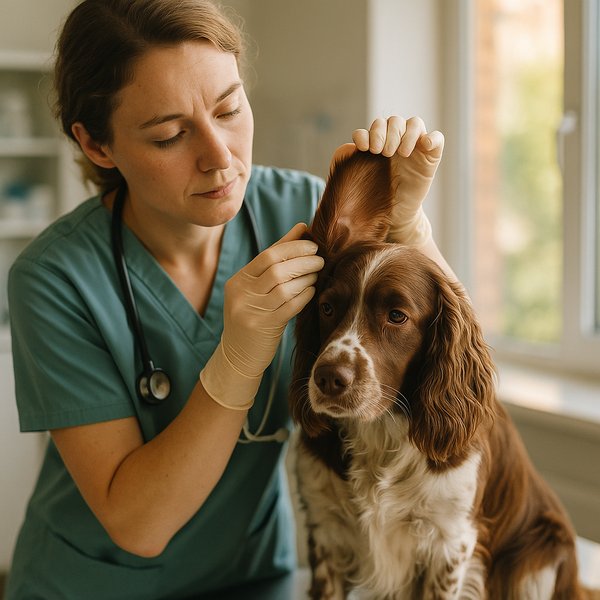
The Cycle of Recurring Ear Infections
A single bout of otitis (ear inflammation, often caused by bacteria or yeast) is common and usually resolves quickly with the right treatment. But when your dog's ears flare up every few weeks or months despite repeated courses of drops, something deeper is almost always driving the problem.
"Recurrent ear infections are rarely a standalone problem — they're usually a symptom of something else going on in the body, whether that's allergies, hormones, or anatomy. Treating the infection without addressing the trigger just means you'll be back at the vet in a few weeks." — Dr. James Harper, DVM
This pattern can be frustrating and exhausting for owners, both financially and emotionally. Each flare-up brings a familiar cycle: head shaking, a trip to the vet, a course of medication, temporary relief, then another flare-up weeks later. Understanding why your dog's ears are so vulnerable is the key to breaking that cycle for good.
Certain breeds are more prone to chronic ear trouble simply because of their anatomy — dogs with floppy ears, narrow ear canals, or excess hair inside the ear (such as Cocker Spaniels, Basset Hounds, and Poodles) trap moisture and debris more easily. But breed alone doesn't explain every case, and even prick-eared dogs can suffer from recurring infections if an underlying condition is present.
Common Underlying Causes of Recurrent Otitis
Identifying the root cause is the single most important step in stopping the cycle. The most frequent culprits include:
- Allergies — Both environmental allergies (pollen, dust mites, mould) and food allergies commonly cause chronic ear inflammation as the skin lining the ear canal reacts to allergens. If your dog also licks their paws or has recurrent skin issues, allergies are a likely trigger. Some owners find that switching to allergy-friendly management strategies alongside dietary changes makes a real difference.
- Hormonal conditions — Diseases like hypothyroidism (an underactive thyroid) or Cushing's disease alter skin and ear canal health, making infections far more likely. Diabetic dogs can also be more prone to yeast overgrowth; if your dog has been diagnosed with diabetes, their ear health is worth monitoring closely.
- Ear canal anatomy — Narrow, hairy, or excessively waxy canals restrict airflow and trap moisture, creating an ideal environment for bacteria and yeast to thrive.
- Excess moisture — Frequent swimming or bathing without thorough drying can soften the ear canal skin and promote infection.
- Foreign bodies or growths — Grass seeds, polyps, or tumours deep in the canal can cause one-sided, persistent infections that don't respond to standard treatment.
- Over-cleaning or improper cleaning — Ironically, cleaning too often or using the wrong technique can irritate the canal further. Following a proper at-home ear cleaning technique is essential for prevention without causing harm.
Because so many possible causes overlap, a proper veterinary work-up is usually needed to pinpoint the exact trigger for your individual dog.
Recognising a Flare-Up Early
Catching a recurrence early can prevent it from becoming a painful, chronic problem. Watch for these signs between check-ups:
- Head shaking or tilting to one side
- Scratching at the ears, or rubbing the head along furniture and carpets
- A strong, yeasty or unpleasant odour coming from the ears
- Dark brown, yellow, or waxy discharge
- Redness, swelling, or heat in the ear canal or flap
- Sensitivity or pain when the ears are touched
- Visible hair loss or scabbing around the ear base from scratching
If you notice any of these signs recurring, it's worth logging when they happen — after swimming, after a bath, seasonally, or alongside skin flare-ups elsewhere on the body. This pattern can be incredibly useful information for your vet and may point straight to the underlying cause.
Left untreated, chronic otitis can progress to a thickened, narrowed ear canal that's far harder to treat, and in severe or long-standing cases may even require surgery. Early intervention keeps things manageable and far less distressing for your dog.
Use PetCare.AI's free symptom checker to assess your pet's condition and get instant guidance.
Try PetCare.AI Free →How Vets Diagnose the Root Cause
Diagnosing recurrent otitis goes well beyond a quick look with an otoscope (the instrument used to examine the ear canal). Your vet will typically build a fuller picture through several steps:
- Cytology — A swab of ear discharge examined under a microscope to identify whether bacteria, yeast, or both are present, guiding which medication will actually work.
- Culture and sensitivity testing — For infections that keep resisting treatment, a lab culture identifies the exact bacterial strain and which antibiotics it responds to.
- Bloodwork — Screens for hormonal conditions such as hypothyroidism or diabetes that may be fuelling the problem.
- Allergy testing or elimination diet trials — Used when environmental or food allergies are suspected, particularly in dogs with year-round or seasonal flare-ups.
- Video-otoscopy or imaging — In chronic or one-sided cases, deeper imaging can reveal foreign bodies, polyps, or damage to the eardrum that a standard exam might miss.
This thorough approach can feel like a lot of testing for
Long-Term Management Strategies
Managing recurrent otitis is rarely about one treatment — it's about an ongoing routine tailored to your dog's specific triggers. Depending on the diagnosis, this might include:
- Regular preventive ear cleaning using a vet-recommended solution, especially after swimming or bathing, to keep the canal dry and reduce buildup.
- Dietary trials if a food allergy is suspected, sometimes alongside reviewing whether a diet change or hypoallergenic formula suits your dog better (note: this link applies to feeding principles broadly, though dog-specific diets should be discussed with your vet).
- Ongoing allergy management, such as antihistamines, medicated shampoos, or newer anti-itch medications prescribed by your vet.
- Hormone treatment if thyroid or adrenal disease is diagnosed, which often significantly reduces ear flare-ups once stabilised.
- Ear plucking or trimming for breeds with excessive hair in the canal, done carefully to avoid irritation.
- Surgical options in severe, chronic cases where the canal has become permanently narrowed or damaged.
Because chronic ear disease can become costly over time between vet visits, medications, and diagnostics, it's worth reviewing your emergency vet fund or pet insurance coverage to ensure you're prepared for ongoing management costs.
Chat with Rio, our AI health companion, for personalised guidance tailored to your pet's needs.
Ask Rio →When to See a Veterinary Dermatologist or Specialist
If your dog's ear infections continue despite consistent treatment and a thorough work-up, it may be time to seek a referral to a veterinary dermatologist — a specialist trained in complex skin and ear conditions. This is particularly worth considering if:
- Infections return within weeks of finishing treatment, repeatedly
- Only one ear is affected and doesn't respond to standard therapy
- Your dog shows signs of pain, head tilt, loss of balance, or hearing changes, which can indicate the infection has spread to the middle or inner ear
- Standard allergy or hormone testing hasn't revealed a clear cause
Specialists have access to more advanced diagnostics and treatment protocols and can often succeed where general management has stalled. It's also worth keeping your dog's microchip and vet records up to date, particularly if you're being referred between clinics, so your dog's full history travels with them.
Recurrent ear infections can feel like an uphill battle, but with patience, proper diagnostics, and a consistent management plan, most dogs achieve long stretches of comfort — sometimes complete resolution once the underlying cause is controlled. The goal isn't just clearing up the current infection, but breaking the cycle for good.
Chat with Rio, our AI health companion, for personalised guidance on your pet's nutrition and weight management.