Preventing Ear Infections in Floppy-Eared Dog Breeds
Floppy ears are adorable — but prone to infections. Vet-reviewed prevention strategies for Spaniels, Retrievers, Bassets, and other pendulous-eared breeds.
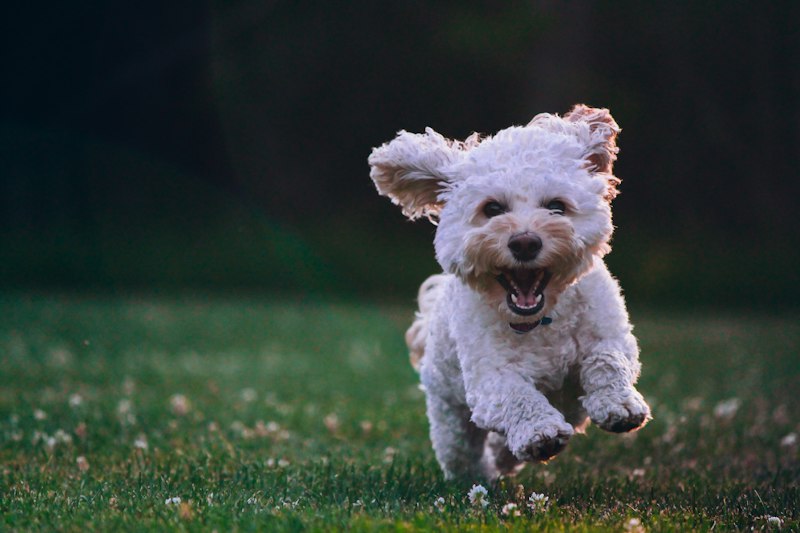
Why Floppy Ears Are Prone to Infections
Floppy ears are one of the features humans have selectively bred for centuries — and while they look endearing, they create the perfect environment for ear disease. Understanding why pendulous ears are problematic helps you prevent the conditions they cause.
"The floppy ear flap acts like a lid on a petri dish. It traps warmth, blocks airflow, and creates a humid microenvironment where bacteria and yeast thrive. Add in the fact that many floppy-eared breeds are also allergy-prone, and you have the perfect storm for chronic ear disease." — Dr. Sarah Chen, DVM
The specific problems floppy ears create:
- Reduced ventilation — erect ears allow constant airflow through the canal; floppy ears seal it shut, maintaining a warm, humid microclimate (ideal for Malassezia yeast and bacteria)
- Moisture trapping — water from swimming, bathing, or rain gets trapped under the flap and takes much longer to evaporate
- Limited self-cleaning — the ear canal's natural migration of wax and debris toward the opening is impeded by the heavy flap pressing against the canal entrance
- Increased wax production — many floppy-eared breeds (particularly Cocker Spaniels) produce more cerumen (ear wax) than erect-eared breeds, adding to the moisture and debris load
The result: floppy-eared breeds are 2–3 times more likely to develop ear infections compared to erect-eared breeds. But with consistent preventive care, most infections are avoidable.
Breed-Specific Ear Risks and Considerations
Not all floppy-eared breeds face identical risks. Here's what makes each group unique:
Spaniels (Cocker, Springer, Cavalier King Charles)
- Challenge: Heavy, long ear flaps + high cerumen production + allergy-prone + dense hair on ear flap underside
- Key risk: Ceruminous otitis (thick, waxy buildup) progressing to chronic infection
- Special care: Weekly cleaning, regular grooming to thin hair under ear flaps, allergy management if needed
Retrievers (Labrador, Golden)
- Challenge: Moderate ear flap + water-loving lifestyle + allergy-prone (especially Goldens)
- Key risk: Post-swimming infections from trapped water
- Special care: Drying ear solution after every swim, fortnightly cleaning during swimming season
Hounds (Basset, Beagle, Bloodhound)
- Challenge: Extremely long ear flaps (Bassets' ears can reach their nose) + heavy jowls that redirect moisture toward ears
- Key risk: Mechanical obstruction of canal + ground-level debris entering ears during scent tracking
- Special care: Ear wraps or snoods during outdoor activities, weekly inspection and cleaning
Poodles and Poodle Crosses
- Challenge: Hair grows inside the ear canal, trapping wax and creating a plug
- Key risk: Impacted wax and hair creating secondary infections
- Special care: Professional ear hair management (plucking only if causing problems), regular grooming schedule
Bulldogs and Pugs (Semi-Floppy)
- Challenge: Narrow, stenotic ear canals + allergy-prone skin + skin fold moisture
- Key risk: Even mild wax buildup can occlude the narrow canal
- Special care: Gentle weekly cleaning with a mild ceruminolytic cleanser
Building a Prevention Routine That Works
Prevention is a routine, not a one-off task. Here's a practical framework for floppy-eared breeds:
Daily (30 Seconds)
- Quick visual check — lift the ear flap and glance at the canal entrance during your usual petting or grooming session
- Sniff test — a healthy ear smells neutral or slightly waxy; any sweetness (yeast) or foulness (bacteria) is a warning sign
- Flip and air — when your dog is relaxing at home, fold the ear flaps back for a few minutes to allow air circulation. Some owners teach their dogs to tolerate lightweight ear wraps that hold flaps open during rest
Weekly (5 Minutes)
- Thorough inspection — look for redness, swelling, increased wax, or discharge
- Clean if needed — follow the proper ear cleaning technique using a vet-recommended solution. If the ears look clean, skip the cleaning — over-cleaning is counterproductive
- Check under the ear flap — moisture can accumulate where the flap rests against the head, especially in warm weather
After Swimming or Bathing
- Apply a drying ear solution immediately — products containing isopropyl alcohol (for healthy ears only) or acetic acid help evaporate trapped water
- Gently tip the head to each side to help water drain
- Wipe the canal entrance and ear flap underside with cotton wool
- Allow the dog to shake — this is the most effective water removal method
Monthly (During Grooming)
- Trim or thin excess hair on the underside of the ear flap — this reduces moisture trapping. Ask your groomer to pay special attention to the ears
- Check collar and harness fit — tight-fitting equipment near the ears can restrict airflow
Essential Products and Tools
Having the right products on hand makes ear care faster and more effective. Here's what to stock:
Must-Have Products
- Veterinary ear cleaner — pH-balanced for canine ears. Our recommendation: a general-purpose cleaner for routine use (Epi-Otic, Virbac) and a drying cleaner for post-swimming (Epi-Otic Advanced, CleanAural Sensitive)
- Cotton wool pads — soft, absorbent, and safe for wiping the visible ear. Never use cotton buds
- Drying ear solution — essential for water-loving breeds; can also be used weekly in humid climates
Helpful Additions
- Ear snoods or wraps — fabric tubes that hold long ear flaps away from food bowls and off the ground during meals and walks. Popular with Spaniel and Basset owners
- Lick mat — stick peanut butter or soft food on a silicone mat; attach to the wall at nose height. Keeps your dog distracted and still during ear cleaning
- Penlight or phone torch — helps you see inside the canal entrance during routine checks
- Ear powder — used by groomers when plucking ear hair in Poodles and similar breeds; provides grip. Only use if recommended by your vet
Products to Avoid
- Hydrogen peroxide — irritates the delicate ear canal lining
- Alcohol-based solutions on inflamed ears — intense stinging
- Home remedies (vinegar, olive oil, garlic oil) — no proven benefit, potential harm
- Human ear drops — different pH and formulation; not suitable for dogs
Investing in proper ear care products for a floppy-eared breed is far cheaper than treating the infections that result from neglect. A bottle of quality ear cleaner costs £8–£15 / $10–$20 and lasts months; a single ear infection vet visit costs £80–£200 / $100–$300.
Chat with Rio, our AI health companion, for personalised guidance tailored to your pet's needs.
Ask Rio →When Prevention Isn't Enough: Recognising Infections Early
Even with diligent preventive care, some floppy-eared dogs will develop ear infections — particularly those with underlying allergies. The key is catching infections early when they're easy and inexpensive to treat:
Early Warning Signs (Act Within 24–48 Hours)
- Increased head shaking or ear scratching
- Change in ear wax colour (from light golden to dark brown) or consistency (from waxy to wet/greasy)
- Mild redness inside the ear flap
- Slightly increased odour
At this stage, a vet visit and a course of topical medication will typically resolve the problem within 7–10 days.
Moderate Signs (Vet Visit Same Day)
- Visibly swollen ear canal entrance
- Thick brown, yellow, or green discharge
- Pain when ears are touched — pulling away, yelping, snapping
- Holding the head tilted to one side
Severe Signs (Urgent Care)
- Loss of balance, circling, or falling over — inner ear involvement
- Swollen ear flap (possible aural hematoma from violent shaking)
- Complete canal occlusion — you can't see into the canal at all
- Bleeding from the ear
Keep a record of your dog's ear infections — dates, which ear, what was prescribed, and how quickly it resolved. This history is invaluable for your vet in identifying patterns and adjusting the prevention plan. If your dog has more than two ear infections per year despite good preventive care, ask your vet about allergy investigation — chronic ear disease is often the first (and sometimes only) sign of atopic dermatitis.
Use PetCare.AI's free symptom checker to assess your pet's condition and get instant guidance.
Try PetCare.AI Free →Chat with Rio, our AI health companion, for personalised guidance on your pet's nutrition and weight management.