Pet Food Recalls: How to Keep Your Pet Safe From Contaminated Food
Learn how to identify, respond to, and prevent pet food recalls. Essential safety guide for protecting your dog or cat.
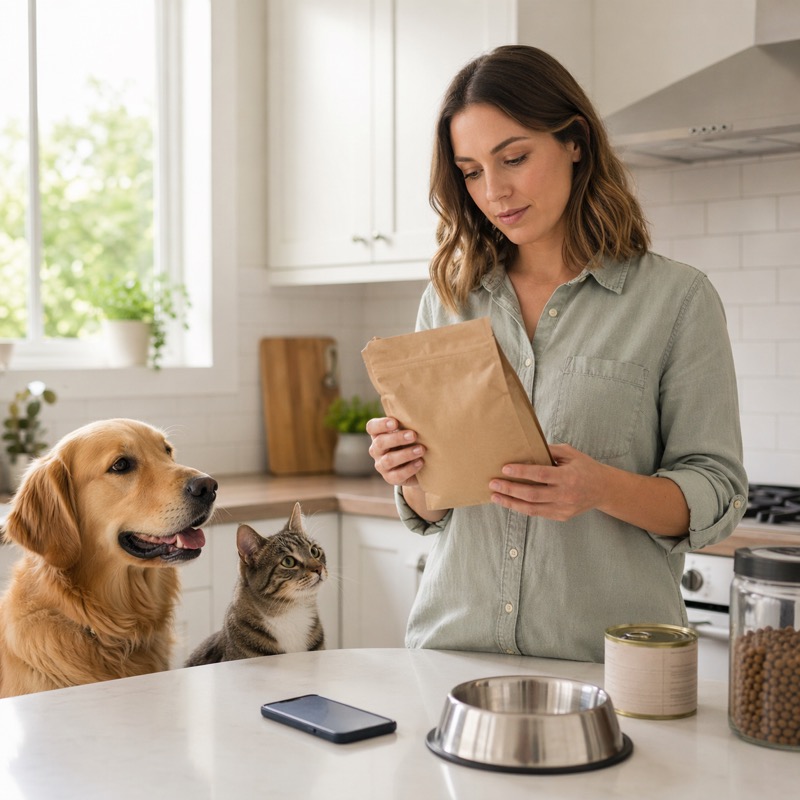
Understanding Pet Food Recalls: What Pet Owners Need to Know
Pet food recalls occur when manufacturers or regulatory agencies identify potential health risks in commercial pet foods. These recalls can range from minor labelling issues to serious contamination that poses life-threatening dangers to your pet.
"Pet food recalls are becoming increasingly common as testing methods improve and awareness grows. As a pet owner, staying informed about recalls is one of the most important steps you can take to protect your furry family member." — Dr. James Harper, DVM
The most common reasons for pet food recalls include bacterial contamination (such as Salmonella or E. coli), presence of toxic substances like aflatoxins, inadequate levels of essential nutrients, and foreign objects in the food. Some recalls are voluntary, initiated by manufacturers themselves, whilst others are mandated by regulatory bodies like the Food and Drug Administration (FDA) or European Food Safety Authority.
Understanding the difference between various types of recalls is crucial. A Class I recall represents the highest risk level — situations where the product could cause serious health problems or death. Class II recalls involve products that may cause temporary health issues, whilst Class III recalls typically involve labelling problems that are unlikely to cause adverse health effects but violate regulations.
Warning Signs: How to Spot Potentially Dangerous Pet Food
Recognising the early warning signs of contaminated pet food can save your pet's life. Many pet owners don't realise they're feeding recalled food until their pet becomes ill, but there are visual and olfactory cues you can watch for.
Examine your pet's food carefully before each meal. Look for these warning signs:
- Unusual smell — rancid, sour, or chemical odours
- Visible mould growth, particularly green or black spots
- Changes in texture — unusually hard, soft, or crumbly pieces
- Presence of foreign objects like plastic, metal, or insects
- Oil separation or unusual moisture levels
- Colour changes from the normal appearance
Pay particular attention to your pet's behaviour after meals. Food poisoning symptoms in pets can develop within hours or take several days to appear. Early intervention is critical for your pet's recovery and can prevent more serious complications.
Use PetCare.AI's free symptom checker to assess your pet's condition and get instant guidance.
Try PetCare.AI Free →Symptoms of Food Poisoning and Contamination in Pets
When pets consume contaminated food, they can develop a range of symptoms that vary depending on the type and severity of contamination. Bacterial contamination typically causes the most immediate and severe reactions, whilst other contaminants may produce more subtle, long-term effects.
Watch for these immediate symptoms that may indicate food poisoning:
- Vomiting — frequent or projectile vomiting
- Diarrhoea — often bloody or mucoid
- Loss of appetite or refusal to eat
- Lethargy and weakness
- Excessive drooling or difficulty swallowing
- Abdominal pain or bloating
- Fever or abnormally low body temperature
More serious symptoms requiring immediate veterinary attention include persistent vomiting or diarrhoea lasting more than 24 hours, signs of dehydration such as dry gums and skin tenting, difficulty breathing, seizures, or collapse. Aflatoxin poisoning, caused by mould contamination, can cause liver damage and may present with yellowing of the gums or eyes.
Some contaminations cause chronic issues that develop over weeks or months. These might include gradual weight loss, recurring digestive problems, or changes in coat quality. If your pet shows any concerning symptoms after eating, stop feeding the suspected food immediately and contact your veterinarian. For ongoing health monitoring, consider regular veterinary check-ups to catch potential issues early.
How to Stay Informed About Pet Food Recalls
Staying ahead of pet food recalls requires proactive monitoring of official channels and reliable information sources. Many pet owners learn about recalls too late, sometimes only after their pet has become ill.
The most reliable sources for recall information include government regulatory websites such as the FDA's pet food recall page, the European Food Safety Authority for EU residents, and your country's equivalent regulatory body. These agencies post official recall notices with detailed information about affected products, lot numbers, and specific health risks.
Setting Up Recall Alerts
Many manufacturers offer email notification services for recalls affecting their products. Sign up for these alerts from brands you regularly purchase. Additionally, several independent pet food safety websites aggregate recall information from multiple sources and offer comprehensive email alerts.
Social media can provide rapid notification of emerging recalls, but always verify information through official sources before taking action. Pet food retailers, both online and physical stores, are also required to notify customers of recalled products they've purchased.
Keep detailed records of the pet foods you purchase, including brand names, product varieties, lot numbers, and purchase dates. Take photos of the packaging or save receipts digitally. This information becomes crucial if a recall affects products you've bought, allowing you to quickly determine if your pet is at risk.
Immediate Actions When Your Pet's Food is Recalled
When you discover that your pet's food has been recalled, swift and decisive action can prevent serious health consequences. Time is critical, especially with high-risk recalls involving bacterial contamination or toxic substances.
Your immediate response should follow this priority sequence:
- Stop feeding the recalled product immediately, even if your pet shows no symptoms
- Secure the remaining food in sealed containers — don't dispose of it yet
- Check the lot numbers and expiry dates against the recall notice
- Contact your veterinarian, especially if your pet has consumed the food recently
- Clean and disinfect food bowls, storage containers, and surrounding areas
- Monitor your pet closely for any signs of illness
Document everything related to the recalled food: when you purchased it, how much your pet consumed, over what period, and any symptoms you observe. This information will be valuable for your veterinarian and may be needed if you pursue compensation from the manufacturer.
Don't simply throw the recalled food in your household rubbish. Many recalls require specific disposal methods to prevent contamination of other animals or the environment. Follow the disposal instructions provided in the recall notice, which may involve returning the product to the retailer or disposing of it at designated facilities.
Find trusted veterinarians near you on PetCare.AI and book a consultation.
Find a Vet →Prevention Strategies: Reducing Your Pet's Exposure to Recalled Foods
While you can't eliminate all risks associated with commercial pet food, several strategies can significantly reduce your pet's exposure to potentially dangerous recalled products. Building these practices into your routine creates multiple layers of protection for your furry family member.
Smart Shopping Practices
Diversify your pet's diet by rotating between different brands and protein sources, but do so gradually to avoid digestive upset. This approach reduces the risk of prolonged exposure to any single contaminated product line. Purchase smaller quantities more frequently rather than buying in bulk, ensuring fresher products and reducing the amount of potentially recalled food in your home.
Research manufacturers before purchasing their products. Companies with strong quality control systems, transparent manufacturing processes, and good recall response histories tend to be safer choices. Look for brands that conduct regular testing, maintain detailed lot tracking, and communicate openly about their safety protocols.
Safe Storage and Handling
Proper storage extends food freshness and reduces contamination risks. Keep dry food in airtight containers in cool, dry locations, and always check expiry dates before feeding. Wash your hands before and after handling pet food, and clean feeding bowls daily with hot, soapy water.
Consider learning about how to read pet food labels effectively to make more informed choices about ingredients and nutritional quality. Additionally, familiarise yourself with safe human foods for pets to provide healthy variety in your pet's diet. Remember, a well-informed pet owner is your pet's best defence against food-related health risks.
Chat with Rio, our AI health companion, for personalised guidance on your pet's nutrition and weight management.