Hyperthyroidism in Cats: The Most Common Feline Endocrine Disease
Hyperthyroidism affects up to 10% of cats over the age of ten. Learn how to spot the signs, understand the diagnostic process, and explore treatment options from daily medication to a definitive radioactive iodine cure.
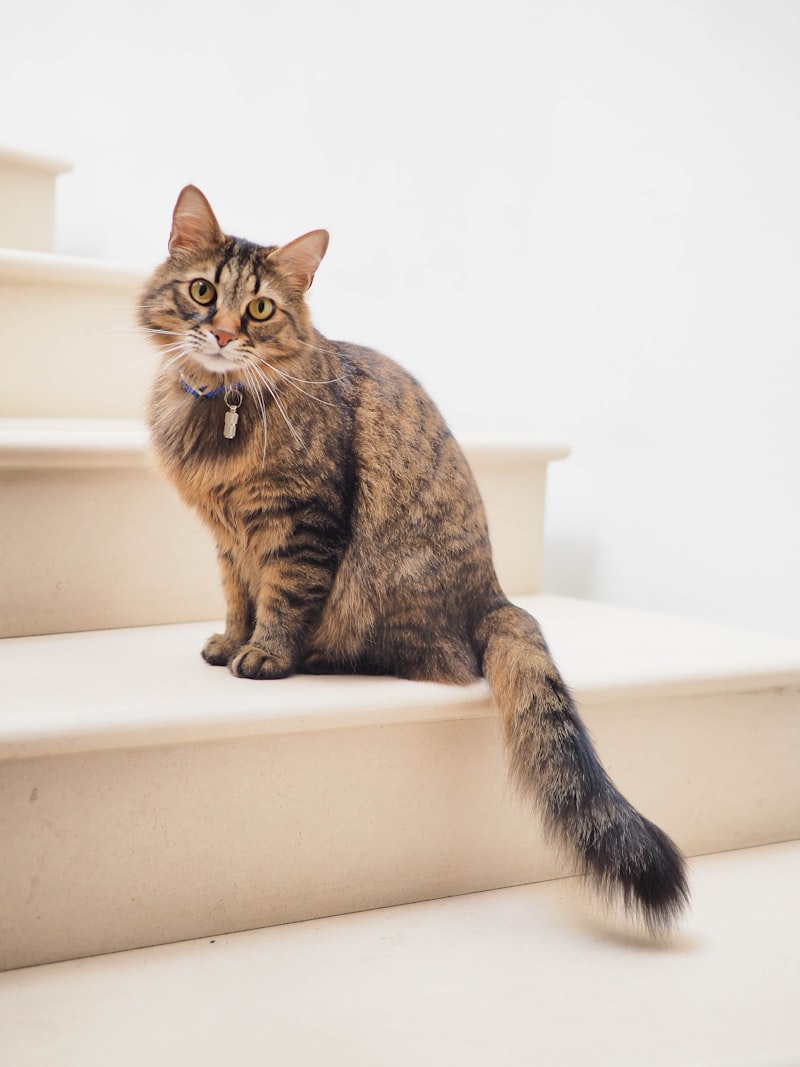
What Is Hyperthyroidism in Cats?
Hyperthyroidism is the most commonly diagnosed endocrine disorder in cats, affecting an estimated one in ten felines over the age of ten. The condition occurs when the thyroid glands — two small, butterfly-shaped structures located on either side of the windpipe — begin producing excessive amounts of thyroid hormone (T4). This overproduction sends the body's metabolism into overdrive, causing a cascade of symptoms that can range from subtle to severe.
"Hyperthyroidism is one of the most treatable conditions we see in senior cats. The key is catching it early — a simple blood test during your cat's annual wellness visit can detect it before serious complications develop." — Dr. Sarah Chen, DVM
In approximately 97 per cent of cases, feline hyperthyroidism is caused by a benign thyroid adenoma — a non-cancerous growth that develops within one or both thyroid glands. Only 1–3 per cent of cases involve thyroid carcinoma (cancer), which is an important distinction because it means the vast majority of hyperthyroid cats have an excellent prognosis with appropriate treatment.
The exact cause of thyroid adenomas remains under investigation, but environmental factors may play a role. Studies have linked increased risk to indoor-only lifestyles, diets heavy in canned food (possibly related to BPA in can linings), and exposure to flame retardants (PBDEs) found in household furnishings. While these associations don't establish definitive causation, they highlight the complex interplay between environment and endocrine health. If your cat is approaching senior age, regular veterinary check-ups become essential for early detection.
Recognising the Symptoms of Feline Hyperthyroidism
The symptoms of hyperthyroidism in cats can be deceptive because they often develop gradually, and some owners initially interpret certain signs — such as increased appetite and energy — as positive developments in an ageing cat. Understanding the full symptom picture is crucial for early recognition.
Weight loss despite a ravenous appetite: This is the hallmark symptom. Your cat may be eating more than ever — even stealing food or begging constantly — yet steadily losing weight. The excess thyroid hormone accelerates metabolism to the point where the body burns calories faster than they can be consumed. Some hyperthyroid cats lose 20–30 per cent of their body weight before diagnosis.
Hyperactivity and restlessness: Many owners notice their senior cat suddenly behaving like a kitten — pacing, vocalising more (especially at night), appearing anxious, or becoming unusually demanding. While a burst of youthful energy might seem welcome, in a cat over ten it often signals thyroid dysfunction rather than renewed vigour.
Increased thirst and urination: Polydipsia and polyuria are common because excess thyroid hormone increases blood flow to the kidneys, raising their filtration rate. You may notice your cat visiting the water bowl more frequently or producing larger clumps in the litter box.
Gastrointestinal signs: Vomiting and occasional diarrhoea occur in many hyperthyroid cats, partly due to rapid eating and partly because the accelerated gut motility moves food through faster than normal.
Rapid heart rate and heart murmur: Thyroid hormone directly stimulates the heart. Tachycardia (resting heart rate above 220 bpm) and new heart murmurs are common findings on veterinary examination. Left untreated, this cardiac stress can progress to hypertrophic cardiomyopathy and heart failure.
Poor coat condition: The coat may become matted, greasy, or unkempt because hyperthyroid cats often stop grooming properly. Some cats develop patchy hair loss.
Palpable thyroid nodule: In roughly 70 per cent of cases, a skilled veterinarian can feel an enlarged thyroid gland by gently palpating the neck — a quick screening technique during routine examinations.
Diagnosing Hyperthyroidism: The Thyroid Testing Process
If your vet suspects hyperthyroidism based on clinical signs, a straightforward diagnostic process will confirm or rule out the condition. Understanding these tests helps you know what to expect and why each step matters.
Total T4 (thyroxine): This is the primary screening test. A blood sample measures the total amount of T4 circulating in the bloodstream. In a healthy cat, total T4 typically falls between 1.0 and 4.0 µg/dL. Hyperthyroid cats usually show values well above this range — often 8, 10, or even 20+ µg/dL. A clearly elevated total T4 combined with classic symptoms is generally sufficient for diagnosis.
Free T4 by equilibrium dialysis: In roughly 10 per cent of hyperthyroid cats, the total T4 may fall within the high-normal range — a situation called "occult" or early hyperthyroidism. This can occur when another concurrent illness (such as kidney disease or diabetes) suppresses thyroid hormone levels. Free T4 measures only the biologically active, unbound hormone and is more sensitive. An elevated free T4 with a high-normal total T4 strongly supports the diagnosis.
Blood pressure measurement: Hypertension (high blood pressure) is present in 10–20 per cent of hyperthyroid cats at diagnosis. Uncontrolled hypertension can damage the eyes (retinal detachment and blindness), kidneys, heart, and brain. Your vet should check blood pressure at diagnosis and monitor it throughout treatment.
Complete blood panel and urinalysis: Beyond thyroid-specific tests, a full biochemistry panel and urinalysis are essential. Kidney values (BUN, creatinine, SDMA) deserve particular attention because of the critical relationship between thyroid function and kidney health — a connection we'll explore in detail below. Liver enzymes are frequently elevated in hyperthyroid cats but usually normalise with treatment.
Treatment Options: From Daily Medication to Definitive Cure
Feline hyperthyroidism is one of the most treatable conditions in veterinary medicine, with four well-established approaches. The best choice depends on your cat's overall health, the severity of the disease, and practical considerations like cost and availability.
Methimazole (Felimazole/Tapazole): Daily oral medication is the most common starting treatment. Methimazole blocks the thyroid gland from producing excess hormone without destroying the gland itself. It's typically given twice daily (tablets or flavoured liquid) and begins working within one to two weeks. The main advantages are immediate availability, reversibility, and relatively low upfront cost. However, it requires lifelong daily administration, periodic blood monitoring, and some cats experience side effects including vomiting, loss of appetite, or — rarely — more serious blood cell or liver changes. A transdermal gel applied to the ear tip is available for cats that resist oral medication.
Radioactive iodine (I-131): This is widely considered the gold standard treatment. A single injection of radioactive iodine selectively destroys overactive thyroid tissue while sparing normal tissue. The cure rate exceeds 95 per cent with one treatment, and no daily medication is needed afterwards. The main barriers are cost (typically £1,000–£2,500) and the requirement for your cat to stay at a specialist facility for one to two weeks while radioactivity levels decrease. Despite the upfront expense, I-131 is often more cost-effective than years of methimazole and monitoring.
Thyroidectomy (surgery): Surgical removal of the affected thyroid gland(s) offers a permanent cure and is a good option when I-131 is unavailable. The procedure carries standard anaesthetic risks — a consideration in senior cats — and requires a skilled surgeon to avoid damaging the parathyroid glands (which regulate calcium). Post-operative calcium monitoring is essential for the first week.
Prescription iodine-restricted diet (Hill's y/d): This therapeutic diet limits dietary iodine to the point where the thyroid cannot produce excess hormone. It's non-invasive and easy to implement, but it must be the only food your cat eats — no treats, no other foods, and no outdoor hunting. For multi-cat households or cats that go outdoors, strict compliance can be challenging.
The Kidney-Thyroid Connection: A Critical Consideration
One of the most important — and often misunderstood — aspects of treating feline hyperthyroidism is its relationship with kidney function. Hyperthyroidism and chronic kidney disease (CKD) are both extremely common in senior cats, and they interact in a clinically significant way that every cat owner should understand.
How hyperthyroidism masks kidney disease: Excess thyroid hormone increases cardiac output and blood flow to the kidneys, artificially boosting their filtration rate. This means kidney values (creatinine, BUN) may appear normal or only mildly elevated on blood tests — even when underlying kidney disease is present. The hyperthyroidism is essentially "propping up" the kidneys and hiding the true extent of damage.
What happens when treatment begins: When thyroid levels are normalised through any treatment, the artificial boost to kidney function disappears. Blood flow returns to its true (reduced) level, and kidney values may rise — sometimes dramatically. This doesn't mean the treatment caused kidney disease; it means the pre-existing kidney disease was unmasked. Approximately 15–40 per cent of cats show worsened kidney values after hyperthyroidism treatment begins.
The methimazole trial approach: This is precisely why many vets start treatment with methimazole rather than jumping straight to I-131 or surgery. Methimazole is reversible — if kidney values deteriorate significantly after starting treatment, the dose can be reduced or discontinued, allowing thyroid levels to rise and partially support kidney function while a balanced management plan is developed.
This delicate balancing act between thyroid and kidney management is one of the most nuanced areas in feline medicine. As with managing diabetes in pets, successful treatment requires close veterinary monitoring, regular blood tests, and a willingness to adjust the plan as your cat's needs evolve over time.
Monitoring and Long-Term Prognosis
The long-term outlook for hyperthyroid cats is excellent with appropriate treatment and monitoring. Most cats return to a healthy weight, their coats improve, behavioural changes resolve, and cardiac abnormalities often reverse within weeks to months of achieving normal thyroid levels.
Monitoring on methimazole: If your cat is managed with daily medication, expect blood tests (T4, kidney values, and complete blood count) every three to four weeks initially, then every three to six months once stable. Your vet will adjust the dose to maintain T4 in the low-normal range. Annual blood pressure checks and urinalysis are also recommended.
Post-I-131 or surgery monitoring: After curative treatment, T4 levels are typically rechecked at one month, three months, and six months, then annually. Kidney values should be monitored closely in the first three months, as this is when any masked CKD will become apparent. A small percentage of cats (around 2–5 per cent) may develop hypothyroidism (underactive thyroid) after I-131, requiring thyroid supplementation.
Untreated hyperthyroidism: Left untreated, hyperthyroidism is a progressive disease with serious consequences. Chronic thyroid excess leads to hypertrophic cardiomyopathy and eventual heart failure, sustained hypertension causing retinal damage and potential blindness, accelerated kidney deterioration once the disease burns through its compensatory phase, and severe muscle wasting and debilitation. The median survival for untreated hyperthyroid cats is approximately two years — compared to a normal lifespan with treatment.
If you suspect your senior cat may be showing signs of hyperthyroidism, supporting senior cat health starts with a comprehensive veterinary evaluation. Early diagnosis transforms this condition from a serious threat into a highly manageable one.
Find trusted veterinarians near you on PetCare.AI and book a consultation.
Find a Vet →Chat with Rio, our AI health companion, for personalised guidance on your pet's nutrition and weight management.