Homemade Dog Treats: Safe Recipes and Ingredients Guide
Learn to make healthy, vet-approved homemade dog treats with safe ingredients. Simple recipes and toxic food warnings included.
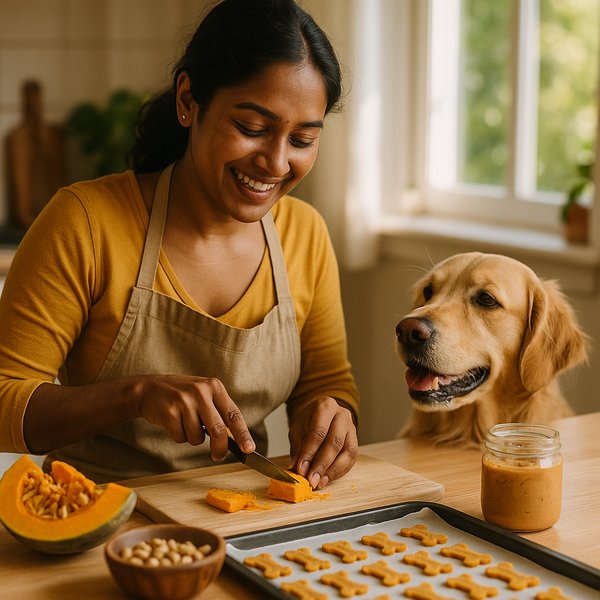
Why Make Your Own Dog Treats?
Making homemade dog treats gives you complete control over what goes into your pet's mouth. Unlike commercial treats that may contain preservatives, artificial colours, or mystery ingredients, your kitchen creations use fresh, wholesome components you can pronounce.
The benefits extend beyond ingredient transparency. Homemade treats are often more cost-effective than premium shop-bought options, and you can tailor recipes to your dog's specific dietary needs or preferences. Dogs with food allergies or sensitivities particularly benefit from customised treats that avoid their trigger ingredients.
"Homemade treats allow pet owners to provide healthy rewards whilst avoiding common allergens and unnecessary additives found in many commercial products. Just remember that treats should never exceed 10% of your dog's daily caloric intake." — Dr. James Harper, DVM
Perhaps most importantly, baking for your dog strengthens your bond. The time invested in creating something special for your four-legged family member demonstrates care and attention that dogs instinctively recognise and appreciate.
Safe Ingredients for Homemade Dog Treats
The foundation of any good homemade dog treat lies in choosing safe, nutritious ingredients. Many common kitchen staples are perfectly safe for dogs when used in moderation and proper preparation.
Protein Sources
- Lean meats: Cooked chicken, turkey, beef, or lamb (remove bones and excess fat)
- Fish: Salmon, sardines, or tuna (ensure bones are removed)
- Eggs: Fully cooked only — never raw due to salmonella risk
- Plain Greek yoghurt: Unsweetened and xylitol-free varieties
Healthy Carbohydrates
- Sweet potatoes: Rich in vitamins A and C, plus fibre
- Pumpkin: Pure pumpkin purée (not pie filling)
- Oats: Rolled or steel-cut oats provide energy and fibre
- Brown rice: Easily digestible carbohydrate source
Beneficial Additions
- Carrots: Excellent source of beta-carotene
- Blueberries: Antioxidant-rich superfruit
- Peanut butter: Only xylitol-free, unsalted varieties
- Coconut oil: Use sparingly for healthy fats
When selecting ingredients, always check that they're dog-safe. Understanding how to read pet food labels can help you make informed choices about both commercial and homemade options.
Dangerous Ingredients to Always Avoid
Certain common human foods are toxic to dogs and must never appear in homemade treats. Even small amounts of these ingredients can cause serious health complications or prove fatal.
Highly Toxic Ingredients
- Xylitol: Artificial sweetener causing rapid blood sugar drops and liver failure
- Chocolate: Contains theobromine, which dogs cannot metabolise safely
- Grapes and raisins: Can cause kidney failure even in small quantities
- Onions and garlic: Damage red blood cells, leading to anaemia
- Macadamia nuts: Cause weakness, vomiting, and hyperthermia
Other Harmful Ingredients
- Avocado: Contains persin, toxic to dogs
- Raw yeast dough: Expands in stomach and produces alcohol
- High-fat ingredients: Can trigger pancreatitis
- Excessive salt: Leads to sodium poisoning
- Cooked bones: Splinter and cause internal injuries
Always double-check ingredients lists, especially in items like peanut butter or baking mixes that might contain hidden xylitol. If your dog accidentally consumes any toxic ingredient, knowing what to do if your pet eats something toxic could save their life.
Use PetCare.AI's free symptom checker to assess your pet's condition and get instant guidance.
Try PetCare.AI Free →Three Simple and Healthy Dog Treat Recipes
These veterinarian-approved recipes use common ingredients to create nutritious, tail-wagging treats. Each recipe yields approximately 20-30 small treats, perfect for training rewards or special occasions.
Sweet Potato and Oat Biscuits
Ingredients: 1 large cooked sweet potato (mashed), 2 cups rolled oats, 1 egg, 2 tablespoons coconut oil
Instructions: Preheat oven to 180°C. Mix all ingredients until dough forms. Roll out to 1cm thickness, cut into shapes, and bake for 15-20 minutes until golden. Cool completely before serving.
Frozen Yoghurt Blueberry Treats
Ingredients: 1 cup plain Greek yoghurt (xylitol-free), ½ cup fresh blueberries, 1 tablespoon honey (optional)
Instructions: Blend ingredients until smooth. Pour into ice cube trays or silicone moulds. Freeze for 2-3 hours. Perfect for hot summer days or teething puppies.
Pumpkin Peanut Butter Bites
Ingredients: ½ cup pure pumpkin purée, ¼ cup natural peanut butter (xylitol-free), 1 egg, 1½ cups wholemeal flour
Instructions: Combine wet ingredients, then gradually add flour. Roll into small balls, place on baking sheet, and flatten slightly. Bake at 170°C for 12-15 minutes.
Store all homemade treats in airtight containers in the refrigerator for up to one week, or freeze for longer storage. Always introduce new treats gradually to monitor for any digestive upset.
Treats for Dogs with Special Dietary Needs
Dogs with health conditions or dietary restrictions require extra consideration when making homemade treats. The beauty of baking at home lies in your ability to accommodate these specific needs whilst still providing delicious rewards.
Diabetic Dogs
For dogs managing diabetes, treats should be low in sugar and carbohydrates. Focus on protein-rich recipes using lean meats, and avoid honey or other sweeteners entirely. Consider dehydrated meat treats or small portions of cooked chicken breast. Dogs with diabetes benefit from consistent dietary management that includes carefully controlled treat portions.
Dogs with Food Allergies
Common allergens include beef, chicken, wheat, and dairy. Create single-ingredient treats using novel proteins like venison or duck, paired with alternative flours such as chickpea or coconut flour. Always introduce one new ingredient at a time to identify potential triggers.
Overweight Dogs
Low-calorie options include frozen carrot sticks, small pieces of cucumber, or air-popped rice cakes broken into tiny pieces. These provide satisfying crunch without excessive calories that could hinder weight management efforts.
Remember that treats should never exceed 10% of your dog's daily caloric intake, regardless of their health status. When in doubt about appropriate treats for your dog's condition, consult your veterinarian for personalised guidance.
Proper Storage and Safety Guidelines
Homemade dog treats lack the preservatives found in commercial products, making proper storage crucial for maintaining freshness and preventing spoilage. Following safe storage practices protects your dog from foodborne illness whilst maximising treat shelf life.
Storage Guidelines
- Refrigeration: Most homemade treats stay fresh for 5-7 days in airtight containers
- Freezing: Extend shelf life to 2-3 months by freezing in portions
- Room temperature: Only completely dehydrated treats can be stored at room temperature
- Labelling: Always date containers to track freshness
Signs of Spoilage
Discard treats showing any signs of mould, unusual odours, or texture changes. When frozen treats develop ice crystals or freezer burn, they're still safe but may have diminished nutritional value and palatability.
Portion Control
Pre-portion treats into daily allowances to prevent overfeeding. This is particularly important for training sessions where multiple treats might be used. Consider your dog's size — a treat appropriate for a Great Dane could represent a significant caloric portion for a Chihuahua.
Always supervise your dog when introducing new treats, and start with small portions to monitor for adverse reactions. Quality homemade treats, properly stored and portioned, provide a healthy way to show love whilst supporting your dog's nutritional wellbeing.
Chat with Rio, our AI health companion, for personalised guidance tailored to your pet's needs.
Ask Rio →Chat with Rio, our AI health companion, for personalised guidance on your pet's nutrition and weight management.