5 Enriching Indoor Activities for Your Senior Cat
Keeping an aging cat mentally and physically engaged doesn't require agility courses. These low-impact activities boost wellbeing and strengthen your bond.
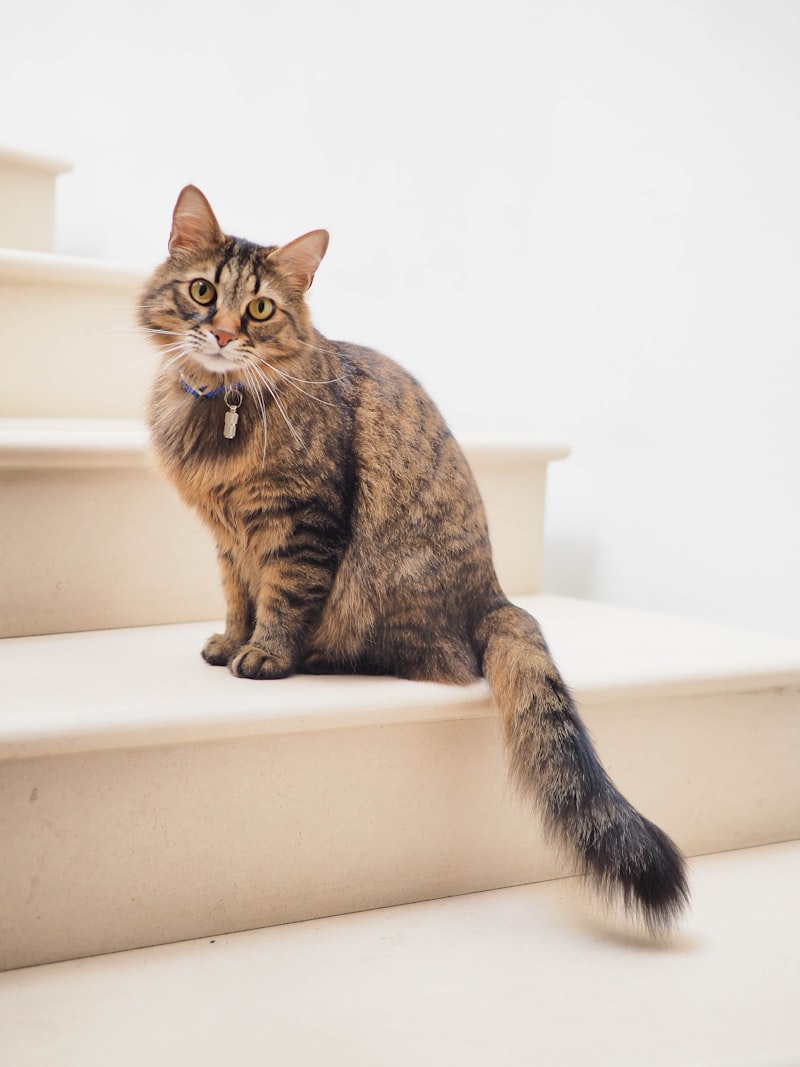
Why Enrichment Matters for Senior Cats
As cats age, they naturally become less active. But less active shouldn't mean less engaged. Mental stimulation and gentle physical activity are just as important for senior cats as they are for kittens — they help maintain cognitive function, prevent obesity, reduce anxiety, and manage pain from conditions like arthritis.
If your cat has joint issues, some activities can be adapted — see our guide on managing arthritis at home for complementary tips.
1. Puzzle Feeders and Food Enrichment
Puzzle feeders turn mealtime into a cognitive workout. For senior cats:
- Start simple — flat puzzle boards with shallow wells are easier than deep foraging toys
- Use wet food — lick mats with soft food are arthritis-friendly (no paw manipulation needed)
- Scatter feeding — spread a few kibble pieces on a textured mat instead of a bowl
- Snuffle mats — hide small treats in fabric folds for gentle nosework
Puzzle feeders also slow down eating, which helps with digestion and weight management (see senior nutrition tips).
2. Adapted Play Sessions
Senior cats still have a prey drive — it just needs a lower-energy outlet:
- Wand toys at ground level — drag slowly along the floor rather than waving in the air
- Crinkle balls and lightweight toys — rolled across the floor for gentle batting
- Laser pointers (used sparingly) — move slowly and always end with a tangible "catch" treat
- Short sessions — 5–10 minutes, 2–3 times daily is better than one long session
Watch for signs of fatigue or discomfort — panting, lying down mid-play, or walking away. Always let your cat set the pace.
3. Window Watching and Bird TV
Visual stimulation is profoundly engaging for cats of all ages:
- Window perch at an accessible height — with pet stairs if needed
- Bird feeders outside windows — the ultimate feline entertainment system
- Fish tank or aquarium videos — surprisingly captivating for cats
- Cat TV apps and YouTube channels — designed specifically for feline viewers
Ensure any window perch is stable and padded. A heated window bed combines warmth and entertainment — perfect for arthritic seniors.
4. Scent Enrichment
A cat's sense of smell remains sharp well into old age, making scent enrichment highly effective:
- Catnip and silver vine — rotate between them to prevent habituation
- Valerian root toys — many cats prefer valerian to catnip
- Outdoor scents — bring in a leaf, stick, or pinecone from outside for investigation
- Cardboard boxes — the eternal favourite. A box with a blanket and a sprinkle of catnip is cat enrichment perfection
5. Grooming and Bonding Routines
Physical contact is enrichment too. Many senior cats become more affectionate with age:
- Gentle brushing sessions — helps with coat maintenance they can no longer manage alone
- Warm towel massage — drape a warm damp towel over their back, then gently massage through it
- Chin scratches and slow blinks — the feline love language
- Lap time with a heated blanket — predictable bonding rituals reduce stress
These routines also serve as an informal daily health check — you'll notice lumps, weight changes, coat condition shifts, and pain responses early.
Chat with Rio, our AI health companion, for personalised guidance tailored to your pet's needs.
Ask Rio →Chat with Rio, our AI health companion, for personalised guidance on your pet's nutrition and weight management.