Ear Yeast Infections in Dogs and Cats — Signs, Treatment & Prevention
Learn to recognise and treat ear yeast infections in pets. Get expert guidance on symptoms, causes, and effective prevention strategies.
Understanding Ear Yeast Infections in Pets
Ear yeast infections, medically known as otitis externa, are among the most common ear problems affecting dogs and cats. These infections occur when yeast organisms, particularly Malassezia species, multiply excessively in the warm, moist environment of your pet's ear canal.
Unlike bacterial infections, yeast infections develop gradually and often become chronic if left untreated. The natural balance of microorganisms in healthy ears keeps yeast levels under control, but certain factors can disrupt this equilibrium, allowing yeast to flourish.
"Yeast thrives in warm, humid conditions, which is why we see more ear infections during summer months or in pets with poor ear ventilation. Early recognition and proper treatment are crucial to prevent chronic, recurring infections." — Dr. James Harper, DVM
Dogs with floppy ears, such as Cocker Spaniels and Labrador Retrievers, are particularly susceptible due to reduced air circulation. Cats, whilst less commonly affected, can develop yeast infections following allergic reactions or excessive ear wax production.
Understanding the underlying causes helps pet owners take preventive measures and seek appropriate treatment when symptoms first appear. The key is recognising that yeast infections rarely resolve without intervention and typically worsen over time.
Recognising Symptoms and Warning Signs
The early signs of ear yeast infections can be subtle, but they become increasingly obvious as the condition progresses. Learning to spot these symptoms early can save your pet considerable discomfort and prevent complications.
Common Physical Signs
- Dark, waxy discharge with a distinctive musty or sweet odour
- Brown or black ear wax that appears greasy or sticky
- Red, inflamed ear canals that may appear swollen
- Scratching or pawing at the affected ear frequently
- Head shaking more than usual, sometimes violently
Behavioural Changes
- Tilting the head to one side consistently
- Reluctance to have their head touched or ears handled
- Rubbing their ear against furniture or carpets
- Loss of balance or coordination in severe cases
The characteristic odour of yeast infections is often the first thing owners notice. It's described as musty, sweet, or sometimes resembling bread or beer. This smell becomes more pronounced as the infection worsens.
If you notice your pet exhibiting these symptoms, particularly the combination of discharge and odour, it's important to have their ears examined promptly. Early intervention can prevent the infection from becoming deeply embedded in the ear canal.
Use PetCare.AI's free symptom checker to assess your pet's condition and get instant guidance.
Try PetCare.AI Free →Common Causes and Risk Factors
Several factors can predispose pets to developing ear yeast infections. Understanding these risk factors helps owners take preventive measures and identify when their pet might be more vulnerable to infection.
Primary Causes
- Allergic reactions to food, environmental allergens, or contact irritants
- Hormonal imbalances including hypothyroidism or Cushing's disease
- Excessive moisture from swimming, bathing, or humid weather
- Immune system disorders that reduce the body's natural defences
- Antibiotic treatment that disrupts normal ear flora
Anatomical Risk Factors
Certain breeds and ear shapes create environments where yeast infections are more likely to develop. Dogs with long, floppy ears have reduced air circulation, creating ideal conditions for yeast growth. Breeds particularly at risk include Basset Hounds, Bloodhounds, and Spaniel breeds.
Pets with stenotic ear canals (narrowed ear passages) or excessive hair growth in their ears also face increased risk. These conditions trap moisture and debris, providing nutrients for yeast organisms to multiply.
Underlying health conditions play a significant role in ear infection susceptibility. Seasonal allergies can inflame ear tissues, creating an environment conducive to yeast overgrowth. Similarly, pets with compromised immune systems struggle to maintain the natural microbial balance in their ears.
Environmental factors such as high humidity, frequent swimming, or living in warm climates can increase infection risk. Understanding these factors allows owners to take targeted preventive measures based on their pet's specific risk profile.
Professional Treatment Options and Veterinary Care
Effective treatment of ear yeast infections requires proper diagnosis and targeted therapy. Whilst mild cases might respond to over-the-counter treatments, most yeast infections benefit from veterinary intervention to ensure complete resolution.
Diagnostic Procedures
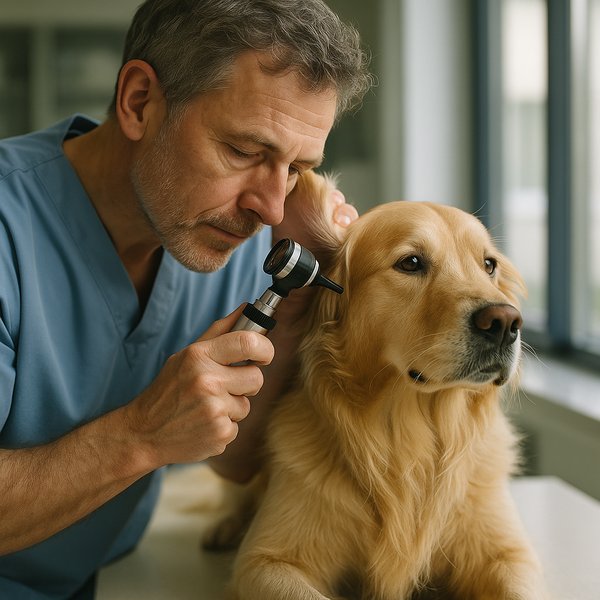
Your veterinarian will begin with a thorough ear examination using an otoscope to visualise the ear canal. They may collect samples of ear discharge for cytological examination, which allows them to identify the specific types of microorganisms present and rule out bacterial co-infections.
Prescription Treatments
- Topical antifungal medications containing miconazole, clotrimazole, or ketoconazole
- Combination ear drops that address yeast, bacteria, and inflammation simultaneously
- Oral antifungal drugs for severe or recurring infections
- Anti-inflammatory medications to reduce swelling and discomfort
The treatment duration typically ranges from 7-14 days for acute infections, but chronic cases may require several weeks of therapy. Your veterinarian will likely schedule follow-up appointments to monitor progress and ensure the infection has completely cleared.
For pets with recurring infections, your vet may recommend additional testing to identify underlying causes such as allergies or hormonal imbalances. Addressing these root causes is essential for long-term success and preventing future episodes.
Some pets may require ear flushing under sedation to remove accumulated debris and allow medications to penetrate effectively. This procedure is particularly beneficial for chronic infections where thick discharge blocks the ear canal.
Find trusted veterinarians near you on PetCare.AI and book a consultation.
Find a Vet →Proper Home Care and Cleaning Techniques
Alongside professional treatment, proper home care plays a crucial role in managing ear yeast infections and preventing recurrence. Learning correct ear cleaning techniques and maintenance routines can significantly improve treatment outcomes.
Safe Ear Cleaning Steps
- Use veterinary-approved ear cleaners — avoid household products like hydrogen peroxide or alcohol
- Fill the ear canal with cleaning solution, then gently massage the base of the ear
- Allow your pet to shake their head to help dislodge debris naturally
- Wipe the outer ear with cotton balls or soft gauze — never use cotton buds
- Clean only as deep as you can see — avoid pushing debris further into the canal
The frequency of cleaning depends on your pet's individual needs and your veterinarian's recommendations. During active infections, daily cleaning may be necessary, whilst maintenance cleaning might occur weekly or monthly for at-risk pets.
Creating a Comfortable Environment
Make ear cleaning a positive experience by offering treats and praise throughout the process. Start slowly with pets who are new to ear handling, gradually building their tolerance over several sessions.
Choose a quiet, well-lit area for ear cleaning, and consider having a second person help restrain anxious pets safely. Never force the procedure if your pet becomes extremely stressed, as this can worsen ear inflammation.
Monitor your pet's ears regularly between cleanings, watching for changes in discharge, odour, or behaviour. Early detection of recurring symptoms allows for prompt treatment before infections become established. Keep your pet's ears dry after swimming or bathing, and consider using natural preventive approaches to support overall ear health.
Prevention Strategies and Long-term Management
Preventing ear yeast infections requires a comprehensive approach that addresses both environmental factors and your pet's individual risk factors. Successful prevention is often more effective and less costly than treating recurring infections.
Essential Prevention Measures
- Regular ear inspections — check weekly for early signs of problems
- Keep ears dry after swimming, bathing, or exposure to moisture
- Maintain good ventilation by trimming excessive ear hair in consultation with your groomer
- Address underlying allergies through diet management or medical treatment
- Use appropriate ear protection during swimming for susceptible breeds
For pets with recurring infections, work with your veterinarian to identify and manage underlying causes. This might involve allergy testing, dietary changes, or treatment of hormonal imbalances that predispose your pet to infections.
Environmental Management
Control humidity levels in your home when possible, and ensure your pet's sleeping area has good air circulation. During humid weather or seasonal changes, increase the frequency of ear inspections and cleaning for at-risk pets.
Consider your pet's lifestyle when developing prevention strategies. Active outdoor pets may need more frequent ear care, whilst indoor pets might benefit from air purifiers to reduce allergen exposure.
Establishing a routine ear care programme helps you become familiar with your pet's normal ear appearance and odour, making it easier to detect changes early. Include ear health as part of your regular pet health monitoring routine alongside other preventive care measures.
Remember that prevention requires consistency and patience. Some pets may need lifelong management to prevent recurring infections, but with proper care, most can live comfortably without frequent ear problems.
Chat with Rio, our AI health companion, for personalised guidance tailored to your pet's needs.
Ask Rio →Chat with Rio, our AI health companion, for personalised guidance on your pet's nutrition and weight management.