Dog Walking Etiquette: A Complete Guide to Public Spaces
Master proper dog walking etiquette to keep your walks safe, enjoyable, and respectful for everyone in your community.
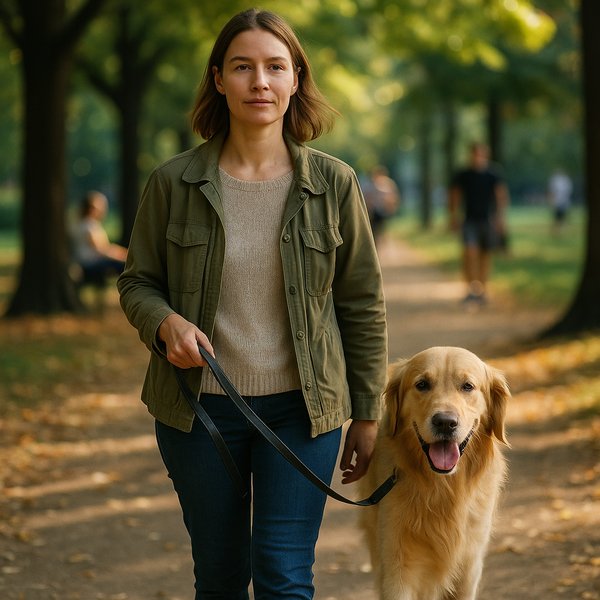
Understanding Walking Etiquette Basics
Proper dog walking etiquette isn't just about good manners—it's essential for creating a harmonious community where both dog owners and non-dog owners can coexist comfortably. When you follow established walking protocols, you're contributing to a safer, more enjoyable environment for everyone whilst setting a positive example for other pet owners.
"Good walking etiquette prevents most conflicts before they start. When dogs are properly managed in public spaces, it reduces stress for the animals, builds community trust, and helps maintain access to shared areas." — Dr. James Harper, DVM
The foundation of walking etiquette rests on three core principles: control, consideration, and cleanliness. Control means maintaining proper lead management and ensuring your dog responds to basic commands. Consideration involves being mindful of others' comfort levels and space requirements. Cleanliness encompasses waste removal and preventing your dog from damaging property or disturbing the environment.
Understanding these basics helps you navigate various public spaces confidently. Whether you're walking through busy pavements, quiet residential streets, or shared recreational areas, these principles adapt to different situations whilst maintaining consistent standards of responsible pet ownership.
Essential Leash Management Skills
Effective leash management forms the cornerstone of good walking etiquette. Your lead should be neither too tight nor too loose—aim for a gentle curve that allows your dog some freedom whilst maintaining clear control. The optimal length varies by situation, but generally, a 4-6 foot lead provides the right balance for most urban environments.
Proper positioning is crucial for both safety and courtesy. Keep your dog on the side away from traffic, typically your left side if walking along roads. When approaching other pedestrians, gently guide your dog to create space, allowing others to pass comfortably. If you're struggling with pulling behaviour, consider learning more about effective leash training techniques to improve your walking experience.
Key Leash Management Techniques
- Maintain consistent lead pressure without jerking or yanking
- Use verbal cues alongside gentle lead guidance
- Practice the "watch me" command to redirect attention
- Keep treats handy for positive reinforcement during good behaviour
- Learn to read your dog's body language for early intervention
Remember that leash reactivity (aggressive behaviour while on lead) often stems from frustration or fear rather than genuine aggression. If your dog exhibits reactive behaviours, work on desensitisation training and consider seeking professional guidance.
Interacting with Other Dogs and Owners
Dog-to-dog encounters require careful orchestration to ensure positive experiences for all involved. Never assume that other dogs want to interact with yours—always ask permission before allowing contact and respect the answer if it's no. Some dogs may be in training, recovering from illness, or simply not socialised for public interactions.
When introductions are welcome, follow the "parallel walk" approach. Walk the dogs side by side with some distance between them, gradually decreasing space if both animals remain calm and interested. Watch for calming signals like lip licking, yawning, or turning away, which indicate stress or overstimulation requiring immediate separation.
Signs of Appropriate Dog Interaction
- Relaxed body posture with soft, loose movements
- Play bows and gentle tail wagging
- Brief sniffing followed by natural disengagement
- Both dogs able to walk away without pulling or fixating
Communication with other owners should be clear and honest. If your dog has behavioural challenges, health issues, or is simply having an off day, communicate this proactively. Most dog owners appreciate transparency and will respect boundaries when they understand the situation.
Be mindful that not all interactions need to be lengthy social sessions. Brief, positive encounters often work better than forced extended play, especially in public spaces where distractions and stress levels can escalate quickly.
Waste Management and Environmental Respect
Proper waste management extends far beyond simply picking up after your dog—it's about maintaining clean, healthy environments for the entire community. Always carry multiple waste bags, even on short walks, and dispose of them in designated bins rather than leaving them on the ground or hanging them on trees or fences.
Double-bagging is often necessary for consistency control, and biodegradable bags help reduce environmental impact. In areas without bins, you're responsible for carrying waste home for proper disposal. Some councils provide specific dog waste bins, but regular rubbish bins are typically acceptable for bagged dog waste.
Environmental Considerations
- Prevent your dog from digging or damaging landscaping
- Keep dogs away from sensitive wildlife areas and nesting sites
- Avoid letting dogs drink from or enter water sources
- Don't allow marking on people's property, including gates and doorways
- Respect seasonal restrictions in parks and nature reserves
Consider the broader impact of your walks on local ecosystems. Dogs can disturb ground-nesting birds, trample delicate vegetation, and stress wildlife through scent marking. Choose appropriate areas for off-lead exercise and stick to designated paths in sensitive environments.
Water provision for your dog shows consideration for public facilities. Carry a portable water bowl rather than encouraging your dog to drink from public fountains or water features designed for human use.
Building Positive Community Relationships
Good walking etiquette contributes to broader community acceptance of dogs in public spaces. When dog owners consistently demonstrate responsible behaviour, it helps maintain access to parks, paths, and shared areas that might otherwise become restricted. Your actions reflect on all dog owners, making positive representation important for the entire community.
Engage positively with neighbours and regular walkers in your area. A friendly greeting and well-behaved dog can transform apprehensive non-dog owners into supporters. Be prepared to educate others about dog behaviour when appropriate—many fears stem from misunderstanding rather than genuine threat assessment.
Consider the needs of vulnerable community members, including elderly residents, parents with small children, and people with disabilities. Your awareness and consideration in these encounters can build lasting goodwill and demonstrate that dog ownership and community harmony are entirely compatible.
Regular walking routes help establish positive relationships with local businesses and residents. When shop owners and neighbours know you and your dog as responsible community members, it creates a network of support and understanding that benefits everyone. Consistency in your standards, whether walking early in the morning or late in the evening, maintains these relationships long-term.
Remember that excellent etiquette becomes second nature with practice. Start with basic courtesy and gradually refine your approach based on your community's specific needs and your dog's individual personality. This investment in proper walking behaviour pays dividends in more enjoyable outings, better community relationships, and a happier, more confident dog.
Chat with Rio, our AI health companion, for personalised guidance on your pet's nutrition and weight management.