Dog Bad Breath: Causes, Solutions & When to See Your Vet
Learn what causes bad breath in dogs and discover practical solutions to keep your pet's mouth healthy and fresh.
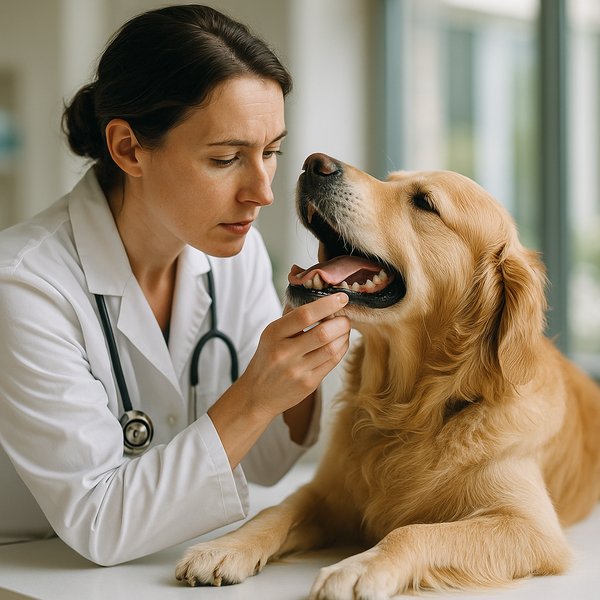
Understanding Dog Bad Breath (Halitosis)
Bad breath in dogs, medically known as halitosis, is more than just an unpleasant social encounter. While some degree of doggy breath is normal, persistent or worsening odours often signal underlying health issues that require attention.
"Chronic bad breath in dogs is rarely just a cosmetic concern — it's usually your pet's way of telling you something's wrong with their oral or general health." — Dr. James Harper, DVM
Unlike humans, dogs don't naturally develop bad breath from eating strong foods. Their saliva has different enzymes, and their mouths have a different bacterial balance. When you notice a significant change in your dog's breath odour, it's time to investigate the cause.
The intensity and type of smell can provide valuable clues. Sweet, fruity breath might indicate diabetes, whilst a urine-like odour could suggest kidney problems. Most commonly, however, bad breath stems from dental and gum disease, affecting over 80% of dogs by age three.
Common Causes of Bad Breath in Dogs
Dental disease remains the leading cause of halitosis in dogs. Plaque buildup leads to tartar formation, which harbours bacteria that produce foul-smelling compounds as they break down food particles and tissue.
Oral Health Issues
- Gingivitis — inflamed, red gums that bleed easily
- Periodontitis — advanced gum disease affecting tooth roots
- Tooth decay or broken teeth trapping bacteria
- Oral tumours or masses (learn more about oral cancer warning signs)
- Foreign objects stuck between teeth
Systemic Health Problems
- Kidney disease — creates ammonia-like breath odour
- Liver disease — produces sweet or musty smells
- Diabetes — causes fruity or acetone-scented breath
- Gastrointestinal issues — stomach problems affecting digestion
Dietary factors also play a role. Dogs who eat rubbish, faeces, or decomposing matter will naturally have temporary bad breath. However, persistent odours after normal eating habits indicate a medical concern requiring professional evaluation.
Recognising When Bad Breath Needs Veterinary Attention
Not all bad breath requires immediate veterinary intervention, but certain signs indicate serious underlying conditions that shouldn't be ignored.
Immediate Veterinary Attention Needed
- Sudden onset of extremely foul breath
- Sweet, fruity breath (possible diabetes)
- Urine-like odour (potential kidney disease)
- Yellow or brown tartar covering teeth
- Red, swollen, or bleeding gums
- Difficulty eating or pawing at the mouth
- Visible tooth damage or loose teeth
- Excessive drooling or blood in saliva
Systemic symptoms accompanying bad breath are particularly concerning. If your dog shows decreased appetite, increased thirst and urination, vomiting, or lethargy alongside halitosis, these could indicate serious conditions like kidney disease or diabetes.
The progression of dental disease can be subtle. Many owners dismiss gradual changes in breath odour as normal aging, but early intervention prevents painful complications and expensive treatments. Regular mouth checks help you establish what's normal for your dog and spot changes early.
Use PetCare.AI's free symptom checker to assess your pet's condition and get instant guidance.
Try PetCare.AI Free →Home Remedies and Prevention Strategies
Several safe, effective strategies can improve your dog's breath and prevent future problems. However, these should complement, not replace, professional veterinary care for established dental disease.
Daily Oral Care
- Regular teeth brushing — use dog-specific toothpaste only
- Dental chews — choose products approved by veterinary dental organisations
- Water additives — enzyme-based solutions that break down bacteria
- Raw bones — appropriately sized, never cooked bones for natural cleaning
Dietary Approaches
- Dental diet kibble — specially formulated to reduce tartar buildup
- Fresh herbs — small amounts of parsley or mint (avoid toxic varieties)
- Probiotics — support healthy oral bacteria balance
- Quality nutrition — reduces systemic inflammation affecting gums
Consistency matters more than intensity. Daily brushing for just two minutes proves more effective than weekly lengthy sessions. Start slowly, letting your dog get comfortable with mouth handling before introducing brushes or pastes.
Never use human toothpaste, which contains xylitol and fluoride — both toxic to dogs. Coconut oil can provide natural antibacterial benefits, but use sparingly as it's high in calories and may cause digestive upset in sensitive dogs.
Professional Treatment Options and Costs
Professional veterinary treatment becomes necessary when home care isn't sufficient or when underlying health issues require medical intervention.
Veterinary Dental Procedures
- Professional cleaning — removes tartar below the gumline under anaesthesia
- Tooth extractions — removes damaged or infected teeth
- Root canal therapy — saves damaged but structurally sound teeth
- Gum surgery — treats advanced periodontal disease
A professional dental cleaning under anaesthesia allows thorough examination and treatment that's impossible in conscious animals. Your vet can assess tooth roots, gum pockets, and areas hidden from view during routine examinations.
Pre-anaesthetic blood tests ensure your dog's organs can safely process anaesthetic drugs. This is particularly important for older dogs or those with suspected kidney or liver issues that might cause bad breath.
Treatment costs vary significantly based on your location and the extent of work needed. Basic cleanings typically cost £300-600, whilst complex procedures involving extractions or surgery can reach £1,500 or more. Many pet owners find that pet insurance helps manage these unexpected expenses whilst ensuring their dogs receive necessary care.
Find trusted veterinarians near you on PetCare.AI and book a consultation.
Find a Vet →Long-term Oral Health Maintenance
Successful long-term oral health requires consistent daily care combined with regular professional monitoring. Think of it as an investment in your dog's overall health and quality of life.
Creating a Sustainable Routine
- Daily brushing — even 30 seconds makes a significant difference
- Weekly mouth checks — monitor for changes in gums, teeth, or breath
- Monthly dental treats — rotate between different approved products
- Annual professional cleanings — or as recommended by your vet
Age-related changes affect oral health maintenance strategies. Senior dogs may need more frequent professional attention due to weakened immune systems and accumulated dental damage. Puppies benefit from early training to accept mouth handling, making lifelong care easier.
Monitor your dog's eating habits as an indicator of oral comfort. Dogs experiencing dental pain often gulp food, prefer soft foods, or eat on one side of their mouth. These subtle changes can indicate problems before bad breath becomes noticeable.
Remember that good oral health supports your dog's overall wellbeing. Bacteria from dental disease can enter the bloodstream and affect the heart, liver, and kidneys. By maintaining fresh breath and healthy gums, you're protecting multiple organ systems and ensuring your companion enjoys comfortable, pain-free eating throughout their life.
Chat with Rio, our AI health companion, for personalised guidance on your pet's nutrition and weight management.