Chronic Ear Infections in Dogs — Managing Recurrent Otitis and Breaking the Cycle
Expert strategies to identify triggers, manage symptoms, and prevent recurring ear infections in dogs prone to chronic otitis.
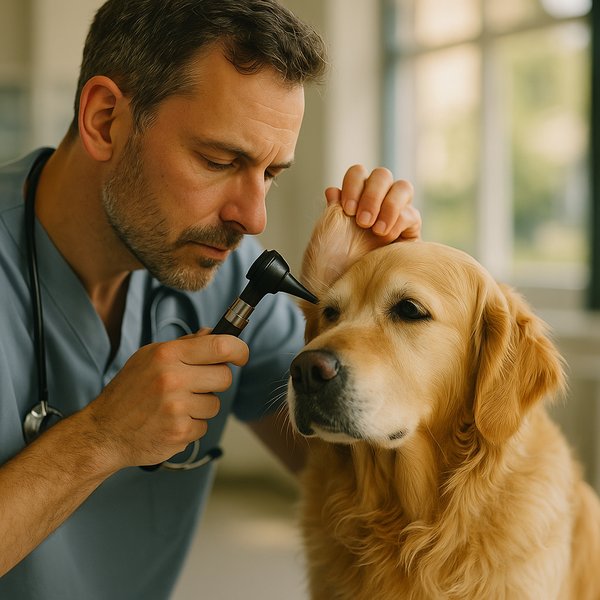
Understanding Chronic Ear Infections in Dogs
When your dog suffers from repeated ear infections despite treatment, you're likely dealing with chronic otitis — a frustrating cycle that affects up to 20% of dogs. Unlike isolated ear infections that respond quickly to treatment, chronic cases involve recurring inflammation that can persist for months or years without proper management.
"Chronic ear infections are rarely just about bacteria or yeast. They're usually the symptom of an underlying condition that creates the perfect storm for infection — whether that's allergies, anatomical factors, or immune dysfunction. Breaking the cycle requires identifying and addressing these root causes." — Dr. James Harper, DVM
Chronic otitis externa typically begins in the outer ear canal but can progress deeper if left unmanaged. The condition creates a vicious cycle: inflammation damages the ear canal's protective barrier, making it more susceptible to future infections. Each episode can worsen the underlying damage, leading to structural changes that make subsequent infections more likely.
Recognising that your dog has moved from occasional ear problems to chronic disease is crucial for effective treatment. Dogs with chronic otitis often show subtle, persistent symptoms between acute flare-ups, and understanding these patterns helps you work with your vet to develop a comprehensive management strategy.
Common Underlying Causes and Risk Factors
The key to managing chronic ear infections lies in identifying the primary factors that predispose your dog to recurring problems. These underlying causes create the perfect environment for bacteria and yeast to thrive, regardless of how aggressively you treat each individual infection.
Allergic Disease
Atopic dermatitis (environmental allergies) and food allergies are the most common culprits behind chronic ear infections. Allergic inflammation makes the ear canal more susceptible to secondary bacterial and yeast overgrowth. If your dog's ear problems coincide with seasonal patterns or improve with dietary changes, allergies are likely involved.
Anatomical Factors
- Narrow ear canals (common in breeds like Shar Peis and Bulldogs)
- Excessive hair growth within the ear canal
- Pendulous ears that trap moisture and reduce air circulation
- Previous trauma or scarring from untreated infections
Hormonal and Immune Conditions
Hypothyroidism, Cushing's disease, and other hormonal imbalances can compromise your dog's immune system and alter skin barrier function. These conditions often go undiagnosed but play a significant role in chronic ear disease, particularly in middle-aged and senior dogs.
Understanding your dog's specific risk factors helps guide both treatment and prevention strategies. Breeds like Cocker Spaniels, Golden Retrievers, and German Shepherds are genetically predisposed to allergic skin disease, while others face anatomical challenges that require different management approaches.
Recognising the Signs of Chronic Ear Disease
Chronic ear infections often present differently from acute cases, with subtle but persistent symptoms that pet owners may dismiss as "normal" for their dog. Learning to recognise these patterns helps you intervene early and prevent progression to more severe complications.
Persistent Low-Grade Symptoms
- Mild but constant head shaking, especially after sleeping or exercise
- Intermittent scratching that intensifies during certain seasons
- Slightly waxy or oily discharge that never fully clears
- Subtle odour that returns within days of cleaning
- Redness or thickening of ear canal skin
Progressive Structural Changes
Long-term inflammation leads to hyperplasia — thickening of the ear canal walls that makes infections harder to treat. You may notice the ear canal appearing narrower, with a "cobblestone" texture to the inner ear skin. These changes can eventually lead to stenosis (narrowing) that traps debris and creates permanent infection risks.
Behavioural Changes
Dogs with chronic ear discomfort often develop subtle behavioural adaptations. They may tilt their head more frequently, resist having their ears touched, or show reluctance during activities that might exacerbate discomfort. Some dogs become head-shy or show anxiety during ear cleaning attempts.
Tracking symptoms in a diary can help you identify patterns related to weather, diet, or seasonal factors. This information proves invaluable when working with your vet to develop an effective long-term management plan.
Use PetCare.AI's free symptom checker to assess your pet's condition and get instant guidance.
Try PetCare.AI Free →Comprehensive Diagnostic Approach for Chronic Cases
Successfully managing chronic ear infections requires moving beyond treating symptoms to identifying underlying causes. Your vet will likely recommend a systematic diagnostic approach that may seem extensive but is essential for breaking the infection cycle.
Advanced Ear Examination
Video otoscopy allows detailed visualisation of the ear canal and eardrum, revealing structural changes that standard examination might miss. This technology helps assess the extent of damage and guides treatment decisions, particularly when surgical intervention might be necessary.
Culture and Sensitivity Testing
While initial infections often respond to empirical treatment, chronic cases require targeted therapy. Bacterial culture and antimicrobial sensitivity testing identify specific pathogens and determine which medications will be most effective, avoiding the trial-and-error approach that can prolong suffering.
Allergy Investigation
- Intradermal allergy testing or serum allergy testing to identify environmental triggers
- Elimination diet trials to diagnose food allergies
- Assessment of seasonal patterns and environmental factors
Systemic Health Evaluation
Blood work to screen for hormonal disorders like hypothyroidism or hyperadrenocorticism (Cushing's disease) may reveal underlying conditions contributing to chronic ear disease. These conditions compromise immune function and predispose dogs to recurring infections.
Don't be discouraged if the diagnostic process seems lengthy or expensive. Proper investigation often saves money long-term by enabling targeted treatment rather than repeated cycles of ineffective therapy. The goal is understanding your dog's unique situation to develop a personalised management strategy.
Multi-Modal Treatment and Management Strategies
Effective management of chronic ear infections requires a comprehensive approach addressing both immediate symptoms and underlying causes. Success depends on coordinating multiple treatment modalities rather than relying solely on antibiotics or antifungal medications.
Targeted Medical Therapy
Systemic antibiotics may be necessary for severe infections, particularly when the eardrum is compromised. However, topical medications remain the cornerstone of treatment, with newer formulations offering improved penetration and longer contact time. Your vet may prescribe combination products containing antibiotics, antifungals, and anti-inflammatory agents.
Addressing Underlying Conditions
- Allergy management through environmental control, immunotherapy, or dietary modification
- Hormonal therapy for thyroid disorders or other endocrine conditions
- Immunomodulating medications for dogs with overactive immune responses
Advanced Cleaning Protocols
Professional ear cleaning under sedation may be necessary to remove accumulated debris and allow medications to reach affected tissues. Proper home ear cleaning techniques become crucial for maintaining progress between veterinary visits.
Surgical Considerations
Dogs with severe stenosis or hyperplasia may benefit from surgical intervention. Procedures range from ear canal ablation to total ear canal ablation and bulla osteotomy in extreme cases. While these represent last-resort options, they can provide relief when medical management fails.
Treatment success requires patience and consistency. Most chronic cases require 8-12 weeks of intensive therapy, followed by long-term maintenance protocols. Regular monitoring allows for treatment adjustments based on your dog's response and changing needs.
Prevention Strategies and Long-Term Management
Once you've achieved control of chronic ear infections, the focus shifts to prevention and long-term maintenance. This phase is often more important than initial treatment, as it determines whether your dog remains comfortable or returns to the cycle of recurring infections.
Establishing Maintenance Routines
Most dogs with chronic ear disease benefit from regular preventive ear cleaning, typically weekly or bi-weekly depending on their specific needs. Use veterinary-recommended cleaning solutions and follow proper technique to avoid pushing debris deeper into the canal. Consistency is more important than frequency — establish a routine you can maintain long-term.
Environmental and Lifestyle Modifications
- Control humidity in your dog's living space, as excessive moisture promotes bacterial growth
- Dry ears thoroughly after swimming or bathing
- Consider year-round parasite prevention to reduce allergic triggers
- Maintain optimal nutrition to support immune function and skin health
Monitoring and Early Intervention
Learn to recognise early warning signs specific to your dog. Many owners develop an ability to detect subtle changes in ear odour or their dog's behaviour that precede full infections. Having "rescue" medications prescribed by your vet allows for immediate treatment of minor flare-ups before they progress.
Regular Veterinary Partnership
Schedule follow-up examinations every 3-6 months, even when your dog appears healthy. These visits allow your vet to monitor for structural changes, adjust maintenance protocols, and ensure underlying conditions remain well-controlled. For dogs with complex cases, consider referral to a veterinary dermatologist for specialised long-term management.
Remember that successful management of chronic ear disease is a marathon, not a sprint. Long-term health planning helps ensure your dog remains comfortable throughout their life, with minimal disruption from ear problems.
Find trusted veterinarians near you on PetCare.AI and book a consultation.
Find a Vet →Chat with Rio, our AI health companion, for personalised guidance on your pet's nutrition and weight management.