Cherry Eye in Dogs and Cats: Causes, Treatment Options and Recovery Guide
Cherry eye causes a red, protruding mass in your pet's eye corner. Learn about surgical treatment options and recovery care.
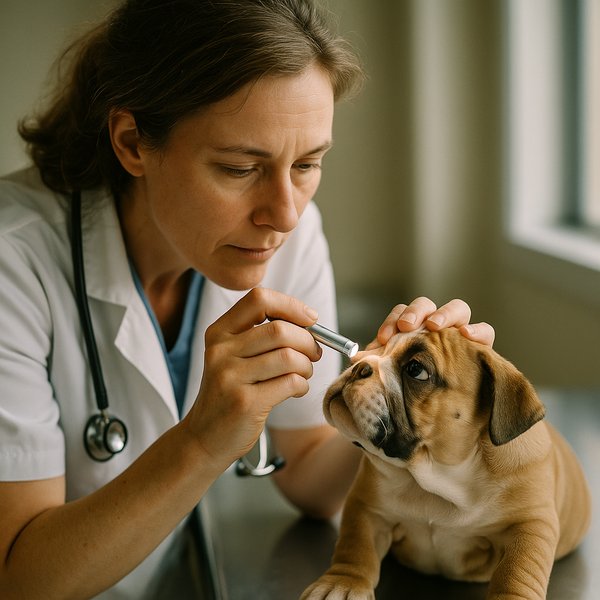
Understanding Cherry Eye: What Pet Owners Need to Know
Cherry eye is a common eye condition where your pet's third eyelid gland (also called the nictitating membrane) becomes displaced and protrudes from the corner of the eye. This creates a characteristic red, fleshy mass that resembles a cherry — hence the name.
Unlike humans, dogs and cats have a third eyelid located in the inner corner of each eye. This protective membrane contains a tear gland that produces about 30% of your pet's tears. When the connective tissue holding this gland in place weakens or breaks, the gland pops out of its normal position.
"Cherry eye isn't just a cosmetic concern — the exposed gland can become dry, irritated, and infected if left untreated. Early intervention typically leads to the best outcomes for maintaining healthy tear production." — Dr. James Harper, DVM
The condition appears suddenly, often overnight, and can affect one or both eyes. While it looks alarming, cherry eye itself isn't painful, though secondary complications like dryness or infection can cause discomfort.
Which Pets Are Most at Risk and Why Cherry Eye Develops
Certain dog breeds have a genetic predisposition to cherry eye, particularly those with shorter muzzles and prominent eyes. Brachycephalic breeds like bulldogs, pugs, and Boston terriers are especially vulnerable due to their facial structure.
Breeds commonly affected include:
- English Bulldogs and French Bulldogs
- Beagles and Cocker Spaniels
- Mastiffs and Saint Bernards
- Shih Tzus and Lhasa Apsos
- Boston Terriers and Pugs
In cats, cherry eye is less common but can occur in Persian and Himalayan breeds with flat faces. Young animals are most frequently affected, with many cases appearing before two years of age.
The primary cause is weak connective tissue that fails to properly anchor the third eyelid gland. This weakness can be:
- Congenital (present from birth)
- Related to breed genetics
- Triggered by trauma or excessive rubbing
- Associated with other eye conditions
Understanding your pet's breed risk helps you watch for early signs during regular health screenings with your veterinarian.
Recognising Cherry Eye Symptoms and When to Seek Help
The most obvious sign of cherry eye is a pink or red mass protruding from the inner corner of your pet's eye. This mass may be small initially but can grow larger and more prominent over time.
Key symptoms to watch for include:
- Red, fleshy protrusion in the inner eye corner
- Increased tearing or watery discharge
- Thick, mucoid discharge from the affected eye
- Squinting or keeping the eye partially closed
- Pawing at or rubbing the eye
- Redness and swelling around the eye area
You might notice your pet showing subtle signs of discomfort like head tilting or avoiding bright lights. Some pets develop secondary bacterial infections, leading to yellow or green discharge.
Cherry eye can sometimes reduce spontaneously, especially in very mild cases, but this is uncommon. More often, the condition persists and may worsen without treatment. The exposed gland can become dry, inflamed, and infected, leading to more serious complications.
Use PetCare.AI's free symptom checker to assess your pet's condition and get instant guidance.
Try PetCare.AI Free →Treatment Approaches: Surgery vs Conservative Management
Surgical correction is the gold standard treatment for cherry eye, with two main approaches: gland replacement and gland removal. Modern veterinary practice strongly favours replacement techniques that preserve the tear-producing gland.
Gland Replacement Surgery
The preferred method involves repositioning the prolapsed gland back into its normal location and securing it with sutures. This pocket technique or anchoring method preserves tear production while correcting the cosmetic issue.
Gland Removal (Not Recommended)
Older surgical approaches involved removing the entire gland, but this significantly increases the risk of keratoconjunctivitis sicca (dry eye) later in life. Most veterinary ophthalmologists now avoid this approach.
Conservative Management
Some veterinarians may initially try:
- Topical anti-inflammatory medications
- Gentle massage to reduce swelling
- Artificial tears to keep the area moist
- Antibiotics if secondary infection develops
However, conservative treatment rarely provides a permanent solution. The success rate for non-surgical management is low, and surgical intervention eventually becomes necessary in most cases.
Your veterinarian will consider factors like your pet's age, breed, and overall health when recommending the best treatment approach. Early surgical intervention typically offers the best long-term outcomes.
Post-Surgery Recovery and Long-term Care Instructions
Recovery from cherry eye surgery typically takes 2-3 weeks, during which careful monitoring and proper aftercare are essential for optimal healing. Your veterinarian will provide specific instructions, but general recovery guidelines help ensure the best outcome.
Immediate post-surgery care includes:
- Administering prescribed eye drops or ointments as directed
- Preventing scratching with an Elizabethan collar (cone)
- Keeping the surgical site clean and dry
- Limiting physical activity and excitement
- Monitoring for signs of complications
Managing Pain and Discomfort
Most pets experience minimal pain after cherry eye surgery, but you should watch for signs of excessive discomfort. Your veterinarian may prescribe pain medication or anti-inflammatory drugs if needed.
Watch for Complications
Contact your veterinarian immediately if you notice:
- Excessive swelling or discharge
- Signs of infection (yellow/green discharge, foul odour)
- Recurrence of the red, protruding mass
- Persistent squinting or eye rubbing
Having a basic understanding of pet first aid essentials can help you recognise when professional care is needed during recovery.
Find trusted veterinarians near you on PetCare.AI and book a consultation.
Find a Vet →Prevention Strategies and Long-term Prognosis for Cherry Eye
While you cannot completely prevent cherry eye in genetically predisposed pets, certain measures can reduce risk factors and promote optimal eye health throughout your pet's life.
Reducing Risk Factors
Focus on maintaining overall eye health through:
- Regular eye cleaning with veterinary-approved solutions
- Avoiding trauma to the eye area during play
- Managing allergies that cause excessive eye rubbing
- Protecting eyes from dust and irritants
- Maintaining proper nutrition for healthy connective tissues
Breeding Considerations
If you're considering breeding, be aware that cherry eye has a genetic component. Pets with cherry eye should not be bred, as this increases the likelihood of passing the condition to offspring.
Long-term Prognosis
The outlook for pets treated surgically is generally excellent. Success rates for gland replacement surgery range from 85-95%, with most pets maintaining normal tear production and comfortable vision long-term.
Some important considerations include:
- Recurrence is possible but uncommon with proper surgical technique
- The opposite eye may develop cherry eye in 15-20% of cases
- Early treatment prevents secondary complications
- Most pets return to normal activity within 2-3 weeks
Regular follow-up appointments help monitor healing and catch any potential issues early. With proper care and treatment, pets with cherry eye can enjoy normal, comfortable vision for years to come. Remember to discuss any concerns with your veterinarian, as early intervention consistently provides the best outcomes for this treatable condition.
Chat with Rio, our AI health companion, for personalised guidance on your pet's nutrition and weight management.