Cat Eye Discharge: When to Worry and How to Help Your Feline
Learn to identify normal vs concerning cat eye discharge and discover safe cleaning techniques to keep your feline's eyes healthy.
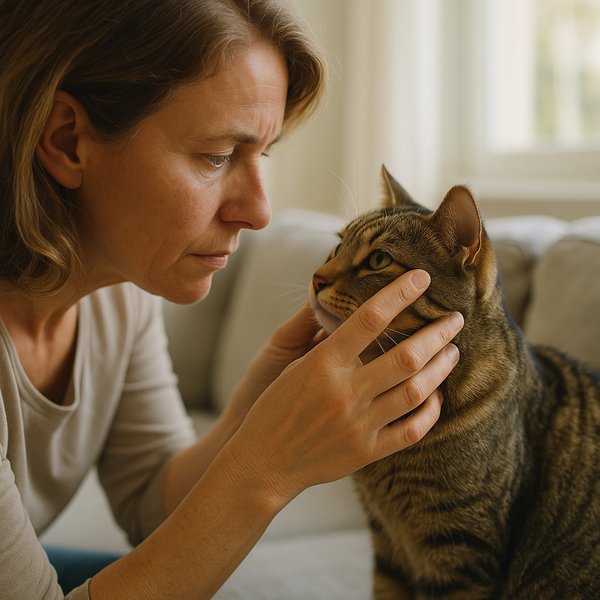
Understanding Normal vs Abnormal Eye Discharge in Cats
Cat eye discharge can range from completely normal to a sign of serious illness, making it crucial for pet owners to understand the difference. A small amount of clear or slightly brownish discharge in the inner corner of your cat's eyes is typically normal, especially after sleep or in certain breeds with flatter faces.
"Many cat owners panic at the first sign of eye discharge, but understanding what's normal for your individual cat helps you recognise when something truly requires attention. The key is knowing your cat's baseline." — Dr. James Harper, DVM
Normal discharge appears as small amounts of clear, slightly sticky material that your cat can easily blink away. This natural tear film helps protect and lubricate the eyes. However, changes in colour, consistency, or volume can indicate underlying problems.
Abnormal discharge typically presents as thick, coloured material that may be yellow, green, or rusty brown. You might notice your cat pawing at their eyes, squinting, or showing signs of discomfort. The discharge may also have an unpleasant odour or cause the fur around the eyes to become matted and stained.
Common Causes of Excessive Eye Discharge
Several conditions can cause increased eye discharge in cats, ranging from minor irritations to serious infections. Upper respiratory infections are among the most common culprits, often accompanied by sneezing, nasal discharge, and lethargy.
Conjunctivitis (inflammation of the eye's mucous membrane) frequently causes discharge alongside redness and swelling. This condition can result from bacterial or viral infections, allergies, or foreign objects in the eye. Environmental allergens like pollen, dust, or cleaning products may trigger allergic reactions that increase tear production.
- Bacterial infections typically produce thick, yellow or green discharge
- Viral infections often cause watery discharge with redness
- Allergic reactions may result in clear, watery discharge with itching
- Foreign objects can cause sudden onset of discharge from one eye
- Blocked tear ducts may lead to overflow and staining
Certain breeds, particularly Persians and other flat-faced cats, are prone to excessive tearing due to their facial structure. These cats may require more frequent eye cleaning as part of their regular grooming routine. Understanding your cat's breed predispositions helps you maintain appropriate care standards. For cats with multiple health concerns, consider reading about managing allergic conditions that might affect their overall wellbeing.
Warning Signs That Require Immediate Veterinary Attention
Certain symptoms accompanying eye discharge warrant immediate professional evaluation, as they may indicate serious conditions that could threaten your cat's vision or overall health. Corneal ulcers, for instance, can develop rapidly and cause permanent damage if left untreated.
Emergency warning signs include sudden onset of severe discharge, particularly if your cat shows signs of pain such as excessive blinking, pawing at the eye, or hiding. Any discharge accompanied by changes in the eye's appearance—such as cloudiness, visible blood, or a change in pupil size—requires urgent attention.
- Thick, yellow or green discharge that persists or worsens
- Blood in or around the eye
- Sudden swelling of the eyelids or surrounding tissue
- Cloudiness or opacity in the eye itself
- Visible third eyelid (nictitating membrane) covering part of the eye
- Signs of pain: excessive blinking, squinting, or pawing
- Loss of appetite or lethargy accompanying eye symptoms
Cats are masters at hiding pain, so subtle changes in behaviour may be your only clue that something is seriously wrong. If you notice your cat avoiding bright lights, bumping into objects, or showing reluctance to jump or navigate familiar spaces, vision problems may be developing. Learning to recognise signs of pain in pets can help you respond appropriately to your cat's needs.
Use PetCare.AI's free symptom checker to assess your pet's condition and get instant guidance.
Try PetCare.AI Free →Safe Eye Cleaning Techniques You Can Do at Home
Proper eye cleaning can help manage minor discharge and prevent complications, but technique matters enormously. Always use clean hands and fresh materials for each eye to prevent cross-contamination. Sterile saline solution or specially formulated pet eye washes are the safest cleaning agents—never use human eye drops or harsh chemicals.
Start by gently restraining your cat in a comfortable position, perhaps wrapped in a soft towel if they're anxious. Use a clean, damp cotton pad or soft gauze to wipe from the inner corner of the eye outward, following the natural curve of the eye socket. Avoid touching the eyeball directly or using cotton buds, which can cause injury.
Step-by-Step Cleaning Process
- Gather supplies: sterile saline, cotton pads, and a towel
- Wash your hands thoroughly before beginning
- Gently restrain your cat in a calm, well-lit area
- Dampen a cotton pad with saline solution
- Wipe from inner to outer corner in one smooth motion
- Use a fresh pad for each eye to prevent contamination
- Reward your cat with treats and praise throughout
If discharge has caused matting around the eyes, soften the area with a warm, damp cloth before attempting to remove debris. Never pull or force dried discharge away, as this can damage delicate skin and cause discomfort. For cats requiring regular cleaning, establish a routine during quiet times when your cat is relaxed, making the process less stressful for both of you.
When Professional Treatment Becomes Necessary
While minor eye discharge often resolves with gentle home care, persistent or worsening symptoms require professional intervention. Bacterial conjunctivitis, for example, typically requires prescription antibiotic eye drops or ointments that are only available through veterinary prescription.
Your veterinarian will perform a comprehensive eye examination, potentially including fluorescein staining to check for corneal damage or tear production tests to assess normal eye function. These diagnostic tools help determine the underlying cause and guide appropriate treatment decisions.
Professional treatment options may include topical antibiotics for bacterial infections, antiviral medications for certain viral conditions, or anti-inflammatory drugs to reduce swelling and discomfort. In some cases, your vet might recommend systemic medications if the eye problem is part of a broader health issue.
- Prescription eye drops or ointments for infections
- Oral antibiotics for systemic infections
- Anti-inflammatory medications to reduce swelling
- Surgical intervention for blocked tear ducts or foreign objects
- Specialised treatments for underlying conditions like allergies
Don't delay professional care if home cleaning doesn't improve the situation within 24-48 hours, or if symptoms worsen despite your efforts. Early intervention often prevents minor problems from developing into serious complications that could affect your cat's long-term eye health. Regular health screenings can also help catch eye problems before they become severe.
Find trusted veterinarians near you on PetCare.AI and book a consultation.
Find a Vet →Preventing Future Eye Problems in Your Cat
Prevention remains the best approach to maintaining your cat's eye health throughout their lifetime. Regular observation of your cat's eyes during daily interactions helps you establish what's normal and quickly spot changes that might indicate developing problems.
Environmental management plays a crucial role in eye health. Keep your home clean and well-ventilated, regularly vacuum to reduce dust and allergens, and avoid using harsh chemicals or aerosol sprays around your cat. Indoor air quality significantly impacts respiratory and eye health, particularly for cats with existing sensitivities.
Nutrition also supports eye health—ensure your cat receives a balanced diet rich in omega-3 fatty acids and vitamins A and E. These nutrients support tear production and maintain healthy eye tissues. Fresh water should always be available, as proper hydration helps maintain normal tear film composition.
- Perform weekly eye checks during grooming sessions
- Maintain good indoor air quality and humidity levels
- Keep your cat's environment clean and dust-free
- Provide a balanced, high-quality diet with eye-supporting nutrients
- Schedule regular veterinary check-ups for early problem detection
- Address allergies promptly to prevent secondary eye issues
For multi-cat households, monitor all cats for signs of contagious eye infections and separate affected cats until treatment is complete. Many feline eye problems are highly contagious and can spread rapidly through close contact. By maintaining good hygiene practices and staying alert to changes in your cat's eyes, you can help ensure they enjoy clear, comfortable vision throughout their lives.
Chat with Rio, our AI health companion, for personalised guidance on your pet's nutrition and weight management.