Cat Ear Infections: Causes, Symptoms, and Effective Treatment
Vet-reviewed guide to ear infections in cats — from ear mites in kittens to polyps and allergies in adults. Know the signs and treatment options.
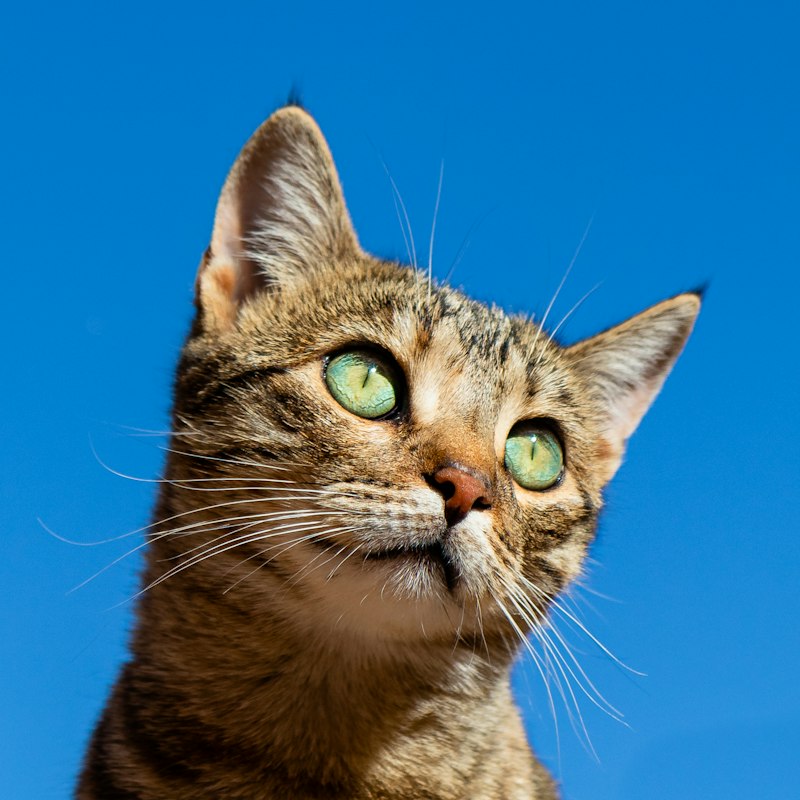
How Common Are Ear Infections in Cats?
Ear infections in cats are less common than in dogs, but they're far from rare — and they often signal an underlying condition that needs attention. While dogs typically develop ear infections secondary to allergies, cats have a different set of primary causes that makes diagnosis and treatment a distinct process.
"When I see a cat with an ear infection, my first questions are: how old is the cat, and is it indoor or outdoor? In kittens, ear mites are the most likely cause. In adult indoor cats, I'm thinking allergies or polyps. The age and lifestyle narrow the diagnosis significantly." — Dr. Sarah Chen, DVM
Cats have a unique ear anatomy compared to dogs — their ear canals are shorter and more vertical, which actually provides better natural drainage. This is one reason cats get fewer infections overall. However, when infections do occur, they can escalate quickly because cats are masters at hiding discomfort.
The most common causes of feline ear infections, in order of prevalence:
- Ear mites (Otodectes cynotis) — especially in kittens and outdoor cats
- Allergies — skin allergies and food allergies both affect the ears
- Nasopharyngeal polyps — benign growths unique to cats, typically young adults
- Bacterial or yeast overgrowth — secondary to one of the above
- Foreign bodies — grass seeds in outdoor cats
Unlike dogs, breed predisposition plays a smaller role in feline ear disease, though Scottish Folds (with their folded ear cartilage) may be slightly more prone to trapped moisture.
Recognising Ear Infection Symptoms in Cats
Cats are subtle about pain and discomfort. Many owners don't notice an ear problem until it's been developing for weeks. Here are the signs, from early to advanced:
Early Signs (Easy to Miss)
- Occasional head shaking — more than the normal post-nap shake
- Ear flicking — quick, repeated movements of one or both ear flaps
- Slight increase in ear scratching — often dismissed as normal grooming
- Dark, crumbly discharge — resembles coffee grounds (classic ear mite sign)
- Mild redness — inside the ear flap (pinna), best seen in natural light
Moderate Signs
- Head tilting — the head tilts toward the affected ear
- Brown, yellow, or black discharge — often with an unpleasant odour
- Swollen ear canal entrance — visibly narrowed or puffy
- Sensitivity to touch — pulling away, hissing, or biting when ears are touched
- Overgrooming the ear area — hair loss around the base of the ears from excessive licking
Advanced Signs (Seek Urgent Care)
- Loss of balance or circling — suggests middle or inner ear involvement
- Facial nerve paralysis — drooping eyelid, lip, or ear on one side
- Nystagmus — rapid, involuntary eye movements (side to side or up and down)
- Deafness — not responding to sounds, especially from one side
- Horner's syndrome — constricted pupil, drooping eyelid, and sunken eye on one side
If you notice any advanced signs, this is a veterinary emergency — middle and inner ear infections can be life-threatening if they spread to the brain.
Use PetCare.AI's free symptom checker to assess your pet's condition and get instant guidance.
Try PetCare.AI Free →Common Causes: Ear Mites, Polyps, and Allergies
Ear Mites
Ear mites are the most common cause of ear disease in kittens and young cats, especially those from shelters, catteries, or multi-cat environments. These microscopic parasites live in the ear canal, feeding on wax and skin oils. They cause intense itching and trigger a characteristic dark, crumbly discharge.
Ear mites are highly contagious between cats (and to dogs), so all pets in the household need treatment simultaneously. Modern treatments include single-dose topical medications (selamectin, moxidectin) that are far more effective than older ear drop regimens. For more on parasites, see our guide to common parasites.
Nasopharyngeal Polyps
Polyps are benign inflammatory growths that arise from the lining of the middle ear or Eustachian tube. They're unique to cats — dogs virtually never develop them. Polyps are most common in cats under 5 years old and can cause:
- Chronic, one-sided ear infection that doesn't respond to standard treatment
- Snoring, noisy breathing, or nasal discharge (if the polyp extends into the throat)
- Head tilt and balance problems (if pressing on middle ear structures)
Diagnosis requires sedated examination or CT imaging. Treatment is surgical removal — either traction-avulsion (pulling the polyp out) or ventral bulla osteotomy for polyps deep in the middle ear. Recurrence rates after traction alone are 30–50%, but drop to under 10% with bulla surgery or post-operative prednisolone.
Allergic Ear Disease
Both food allergies and environmental allergies can manifest as ear disease in cats. Allergic otitis often presents as bilateral (both ears), with brown waxy discharge and intense itching. In some cats, the ears are the only site of allergic disease — no skin lesions elsewhere. This makes diagnosis tricky and often requires an elimination diet trial or allergy testing to confirm.
Treatment: From Ear Drops to Surgery
Treatment depends entirely on the underlying cause. Here's what to expect for each scenario:
Ear Mite Treatment
- Topical antiparasitics — Revolution (selamectin) or Advocate (moxidectin/imidacloprid) applied to the back of the neck; a single dose often suffices
- Ear cleaning — gentle flush to remove mite debris
- Treat all household pets — even those without symptoms
- Timeline: symptoms improve within 1–2 weeks; complete resolution by 4 weeks
Bacterial/Yeast Infection Treatment
- Ear cytology first — determines whether bacteria, yeast, or both are present, guiding medication choice
- Topical ear medications — typically combination products (antibiotic + antifungal + steroid) applied daily for 7–14 days
- Long-acting ear gel — products like Osurnia or Claro are applied once by your vet and last 7–30 days, eliminating the need for daily home treatment (ideal for uncooperative cats)
- Systemic treatment — oral antifungals (itraconazole) or antibiotics for severe or middle ear infections
Polyp Treatment
- Traction-avulsion — the polyp is gently pulled free under anaesthesia; less invasive but higher recurrence rate
- Ventral bulla osteotomy — surgical approach to remove the polyp and its base from the middle ear; lower recurrence
- Post-surgical steroids — a tapering course of prednisolone reduces recurrence risk after traction-avulsion
Allergic Ear Disease Treatment
- Identify and manage the allergy — elimination diet or allergy management is the long-term solution
- Topical steroids — for flare control
- Regular ear maintenance cleaning — weekly or fortnightly to prevent secondary infections
Find trusted veterinarians near you on PetCare.AI and book a consultation.
Find a Vet →Preventing Ear Problems in Cats
While not all ear conditions are preventable, these measures significantly reduce the risk:
Routine Monitoring
- Weekly ear checks — gently fold back the ear flap and look for redness, discharge, or odour during regular grooming or cuddle sessions
- Know your cat's normal — a healthy cat ear is pale pink, clean, and has minimal odour. Learn what normal looks like so you can spot changes early
- Don't over-clean — healthy cat ears are self-cleaning. Only clean if your vet recommends it or you see visible debris. Over-cleaning disrupts the ear's natural protective environment
Parasite Prevention
- Use a broad-spectrum parasite preventative that covers ear mites (selamectin or moxidectin-based products)
- Treat new cats/kittens for ear mites before introducing them to your household
- Regular flea and tick prevention also helps, as some products cover ear mites
When to See the Vet
Don't attempt to treat ear infections at home with leftover medication or home remedies. Cat ears are delicate, and using the wrong treatment can:
- Cause deafness if the eardrum is ruptured and ototoxic medication enters the middle ear
- Mask symptoms of a more serious condition (polyps, tumours)
- Allow a mild infection to progress to the middle or inner ear
A vet visit for an ear check typically costs £30–£60 / $40–$80 and takes 15 minutes. Early treatment of a simple ear infection is far less expensive (and less stressful for your cat) than managing a chronic or complicated one.
Chat with Rio, our AI health companion, for personalised guidance tailored to your pet's needs.
Ask Rio →Chat with Rio, our AI health companion, for personalised guidance on your pet's nutrition and weight management.