Blood in Your Pet's Urine: Causes, Warning Signs & When to Seek Help
Learn to recognise blood in your pet's urine and understand when it signals a serious condition requiring immediate veterinary attention.
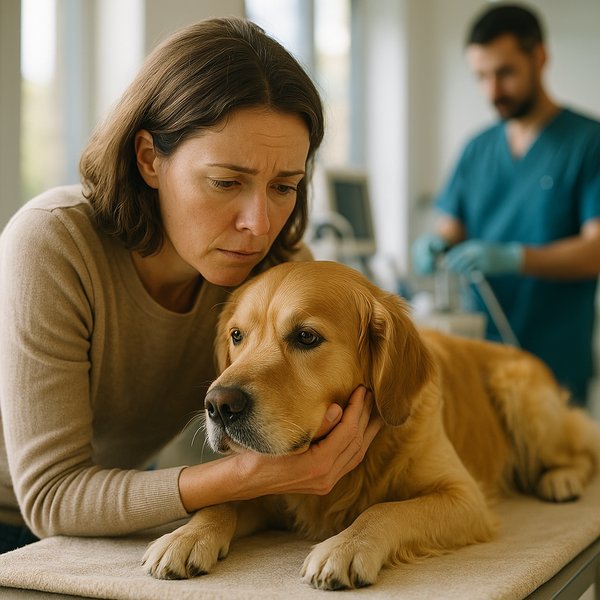
Understanding Blood in Your Pet's Urine
Discovering blood in your pet's urine can be alarming, but understanding what it means helps you respond appropriately. Haematuria — the medical term for blood in urine — can range from barely visible traces to obvious red discolouration that's immediately concerning.
"Blood in a pet's urine should never be ignored. Even small amounts can indicate serious underlying conditions that require prompt veterinary attention and proper diagnosis." — Dr. James Harper, DVM
The blood may appear as pink-tinged urine, obvious red streaks, or dark, coffee-coloured liquid. Sometimes you'll notice blood clots or a rusty brown colour that develops when blood has been present for some time. Your pet may show no other symptoms initially, making regular observation of their toileting habits crucial.
Both cats and dogs can develop haematuria at any age, though certain conditions become more common as pets get older. Female pets may be slightly more prone to some urinary tract issues, whilst male cats face higher risks of urinary blockages that can become life-threatening emergencies.
Common Causes Behind Blood in Urine
Several conditions can cause blood to appear in your pet's urine, ranging from minor infections to serious diseases requiring immediate intervention. Understanding these causes helps you assess the urgency of your pet's situation.
Urinary Tract Infections
Bacterial cystitis represents the most common cause of blood in pet urine. Bacteria entering through the urethra multiply in the bladder, causing inflammation and bleeding. Female pets develop UTIs more frequently due to their shorter urethras, but males aren't immune.
Bladder Stones and Crystals
Uroliths — mineral formations in the bladder — scrape against the bladder wall as your pet moves, causing bleeding and severe discomfort. These stones vary in composition, with struvite and calcium oxalate being most common in dogs and cats respectively.
More Serious Conditions
- Kidney disease — chronic or acute kidney problems that affect urine production
- Bladder tumours — growths that bleed and obstruct normal urination
- Trauma — accidents or injuries affecting the urinary tract
- Blood clotting disorders — conditions preventing normal blood coagulation
- Prostate problems — infections or enlargement in male dogs
Certain medications, including some pain relievers and chemotherapy drugs, can also cause urinary bleeding as a side effect.
Recognising Warning Signs and Accompanying Symptoms
Blood in urine rarely appears in isolation — watch for additional symptoms that help your vet diagnose the underlying problem more effectively. These accompanying signs often indicate the severity and urgency of your pet's condition.
Immediate Emergency Signs
- Straining to urinate with little or no urine produced
- Repeated attempts to urinate in unusual locations
- Crying, whimpering, or obvious pain during urination
- Lethargy, vomiting, or loss of appetite
- Swollen, painful abdomen
- Complete inability to urinate (especially critical in male cats)
Other Important Symptoms to Monitor
Your pet may drink more water than usual, have accidents in the house despite being house-trained, or show changes in litter box behaviour. Cats might avoid their litter box entirely, whilst dogs may ask to go outside more frequently or have accidents indoors.
Some pets develop a strong, unpleasant urine odour or pass urine that appears cloudy or contains visible particles. You might notice your pet licking their genital area excessively, which can indicate discomfort or pain in the urinary tract.
Changes in your pet's general behaviour — such as hiding, restlessness, or reluctance to move — often accompany urinary problems and shouldn't be overlooked when assessing their condition.
Use PetCare.AI's free symptom checker to assess your pet's condition and get instant guidance.
Try PetCare.AI Free →When to Contact Your Vet: Timing Matters
Knowing when to seek professional help can make the difference between a simple treatment and a life-threatening emergency. Some situations require immediate veterinary attention, whilst others allow for scheduled appointments within 24-48 hours.
Emergency Situations Requiring Immediate Care
Contact an emergency vet immediately if your pet cannot urinate at all, especially male cats who face higher risks of complete urinary blockages. This represents a genuine emergency that can become fatal within hours without treatment.
Heavy bleeding that makes the urine appear completely red, signs of severe pain, or symptoms like vomiting and lethargy alongside bloody urine also warrant emergency intervention. If your pet seems confused, weak, or shows signs of shock, don't wait.
Situations Requiring Prompt (But Not Emergency) Care
- First occurrence of blood in urine without other severe symptoms
- Mild straining or discomfort during urination
- Increased frequency of urination with small amounts of blood
- Changes in drinking habits or appetite
- Behavioural changes related to toileting
Even if your pet seems comfortable and continues eating normally, blood in urine should be evaluated within 24-48 hours. Early intervention prevents minor issues from developing into serious complications that may require more intensive treatment.
Consider pet insurance options before urinary issues arise, as diagnostic tests and treatments can be costly, especially if surgery becomes necessary.
What to Expect: Diagnosis and Treatment Options
Your vet will use several diagnostic tools to identify the cause of blood in your pet's urine and develop an appropriate treatment plan. Understanding this process helps you prepare for your visit and know what questions to ask.
Diagnostic Tests Your Vet May Recommend
Urinalysis represents the first and most important test, examining urine under a microscope to identify bacteria, crystals, cells, and other abnormalities. Your vet may also recommend a urine culture to identify specific bacteria and determine which antibiotics will be most effective.
Blood tests help assess kidney function and overall health, whilst radiographs (X-rays) or ultrasound can reveal stones, tumours, or structural abnormalities in the urinary tract. Some cases may require more advanced imaging or specialty procedures.
Common Treatment Approaches
- Antibiotics — for bacterial infections, typically given for 7-14 days
- Pain management — medications to reduce discomfort during treatment
- Dietary changes — special foods that help dissolve certain types of stones
- Increased water intake — encouraging more drinking to flush the urinary system
- Surgery — for large stones, tumours, or structural problems
Treatment success depends on accurate diagnosis and owner compliance with medication schedules. Most uncomplicated UTIs resolve within 1-2 weeks, whilst more complex conditions may require ongoing management.
Your vet will likely recommend follow-up testing to ensure the treatment has been effective and the underlying condition has resolved completely.
Find trusted veterinarians near you on PetCare.AI and book a consultation.
Find a Vet →Prevention Strategies and Long-Term Management
Preventing urinary problems requires a multifaceted approach focusing on hydration, diet, hygiene, and regular health monitoring. These strategies significantly reduce your pet's risk of developing conditions that cause blood in urine.
Promoting Optimal Hydration
Ensure your pet always has access to fresh, clean water and consider adding wet food to their diet to increase fluid intake. Cats particularly benefit from running water fountains, which encourage drinking through movement and freshness. Multiple water sources throughout your home make hydration more convenient.
Dietary Considerations
High-quality diets appropriate for your pet's age and health status support urinary tract health. Some pets benefit from specialised urinary diets designed to prevent stone formation or maintain optimal urine pH levels. Discuss weight management strategies with your vet, as obesity increases urinary disease risks.
Environmental and Hygiene Factors
- Keep litter boxes extremely clean — cats may avoid dirty boxes
- Provide enough litter boxes (one per cat plus one extra)
- Ensure easy access to outdoor toileting areas for dogs
- Maintain good grooming, especially around the genital area
- Reduce stress through consistent routines and environmental enrichment
Regular veterinary check-ups help detect urinary issues before they cause visible symptoms. Annual urine testing for senior pets or those with previous urinary problems allows for early intervention and better outcomes.
Monitor your pet's toileting habits daily — changes in frequency, amount, or appearance of urine often provide the first warning signs of developing problems that you can address promptly with professional guidance.
Chat with Rio, our AI health companion, for personalised guidance on your pet's nutrition and weight management.