Bad Breath in Dogs and Cats: Dental Causes and Solutions
Learn what causes pet halitosis, when it signals serious dental disease, and proven treatments to freshen your pet's breath.
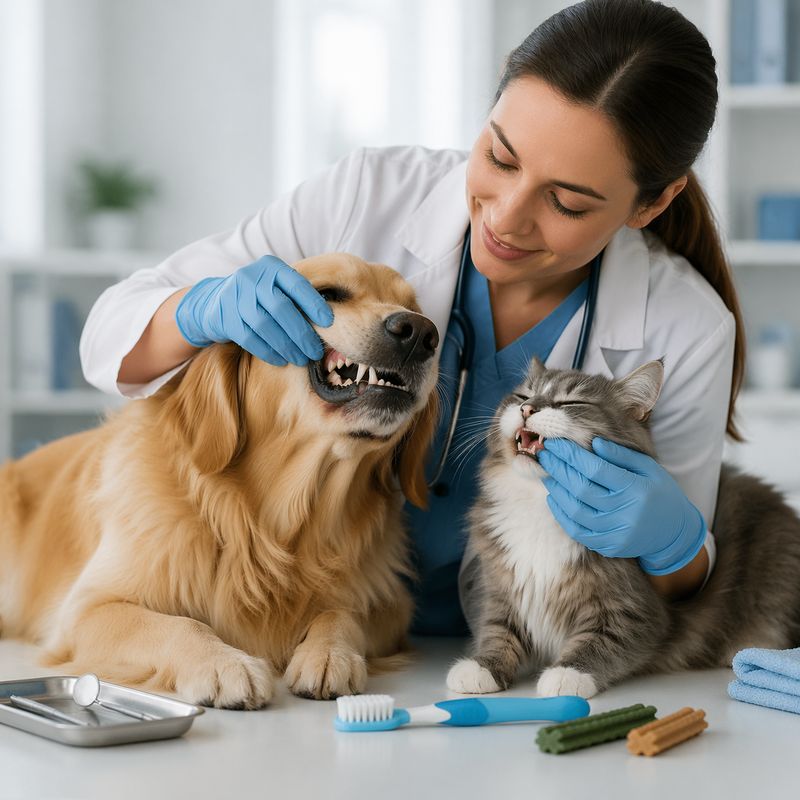
Understanding Pet Halitosis: More Than Just 'Doggy Breath'
That distinctive smell wafting from your pet's mouth isn't just an inevitable part of pet ownership. Halitosis (persistent bad breath) in dogs and cats often signals underlying dental or health issues that require attention.
"Pet owners frequently dismiss bad breath as normal, but healthy pets should have relatively neutral-smelling breath. Persistent foul odours almost always indicate dental disease or other health concerns that warrant investigation." — Dr. James Harper, DVM
Unlike humans, pets can't tell us when their teeth hurt or their gums are inflamed. Bad breath becomes one of the first warning signs that something's amiss in their mouth. The intensity and character of the odour can provide valuable clues about the underlying cause.
Understanding what causes halitosis helps you distinguish between minor issues that respond to home care and serious conditions requiring veterinary intervention. Early recognition and treatment can prevent painful dental disease and protect your pet's overall health.
Common Causes of Bad Breath in Pets
Several factors contribute to halitosis in dogs and cats, ranging from simple dietary causes to serious medical conditions. Understanding these causes helps you address the root problem effectively.
Dental-Related Causes
- Plaque and tartar buildup — bacterial films that coat teeth and produce foul-smelling compounds
- Gingivitis — gum inflammation causing redness, swelling, and distinctive odours
- Periodontal disease — advanced gum disease affecting tooth roots and surrounding tissues
- Tooth decay or abscesses — bacterial infections in damaged teeth
- Oral masses or tumours — growths that trap bacteria and debris
Non-Dental Causes
- Dietary factors — strong-smelling foods, treats, or scavenged items
- Gastrointestinal issues — stomach problems that cause regurgitation or altered breath
- Metabolic disorders — conditions like diabetes that produce distinctive breath odours
- Respiratory infections — sinus or lung infections affecting breath quality
Most cases of persistent bad breath stem from dental disease, making oral health the primary focus for both prevention and treatment.
Recognising Dental Disease Warning Signs
Bad breath rarely occurs in isolation when dental disease is present. Learning to recognise accompanying symptoms helps you assess the severity of your pet's condition and determine when professional veterinary care is needed.
Visual Signs in the Mouth
- Yellow or brown tartar deposits on teeth
- Red, swollen, or bleeding gums
- Loose, broken, or missing teeth
- Visible pus or discharge around the gum line
- Excessive drooling or blood-tinged saliva
Behavioural Changes
- Difficulty eating or chewing on one side
- Dropping food whilst eating
- Pawing at the face or mouth
- Reluctance to have the face touched
- Changes in appetite or eating habits
Advanced periodontal disease can cause tooth loss, jaw fractures, and systemic infections. The bacteria from diseased gums can enter the bloodstream and affect the heart, liver, and kidneys, making prompt treatment essential.
If you notice multiple warning signs alongside persistent bad breath, your pet likely needs professional dental evaluation. Learn more about recognising early signs of dental disease to catch problems before they become severe.
Use PetCare.AI's free symptom checker to assess your pet's condition and get instant guidance.
Try PetCare.AI Free →Immediate Home Treatments and Prevention
While professional veterinary care addresses underlying dental disease, several home treatments can help manage mild bad breath and prevent future problems. These approaches work best when started early, before severe dental disease develops.
Regular Dental Hygiene
Daily teeth brushing remains the gold standard for preventing dental disease and associated bad breath. Use pet-specific toothpaste containing enzymes that break down bacteria and plaque. Never use human toothpaste, which contains harmful ingredients like xylitol.
Start slowly with finger brushing or dental wipes if your pet resists a toothbrush. Gradual introduction helps pets accept the routine. For detailed guidance, explore our step-by-step teeth brushing guide for dogs.
Dental Treats and Supplements
- Enzymatic dental chews — help break down plaque and freshen breath
- Raw bones (appropriately sized) — provide natural teeth cleaning action
- Water additives — containing enzymes that reduce oral bacteria
- Probiotics — support healthy oral microbiome balance
Choose products approved by veterinary dental organisations for proven effectiveness. Avoid hard items that could crack teeth, such as antlers, hooves, or cooked bones.
Dietary Considerations
Dry kibble provides more abrasive action than wet food, helping remove surface plaque. However, diet quality matters more than texture — high-quality nutrition supports overall oral health and immune function.
When Professional Veterinary Care Is Needed
Certain situations require immediate veterinary attention, whilst others benefit from routine professional dental care. Understanding when to seek help prevents minor issues from becoming serious health problems.
Emergency Dental Situations
- Sudden, severe bad breath accompanied by facial swelling
- Bleeding that doesn't stop within a few minutes
- Visible pus or discharge from the mouth
- Broken teeth with exposed pulp (pink centre)
- Complete inability to eat or drink
- Signs of pain such as crying, pawing at the face, or aggression when touched
Professional Dental Cleaning
Anaesthetic dental cleaning allows thorough examination and treatment of problems invisible during conscious examination. Your vet can clean below the gum line, assess tooth roots, and perform extractions if necessary.
Most pets benefit from professional dental cleaning every 1-3 years, depending on their breed, age, and oral health status. Smaller dogs often require more frequent cleaning due to their tooth-to-jaw size ratio and tendency to develop tartar quickly.
During the procedure, your vet may recommend dental X-rays to assess tooth roots and surrounding bone. Many dental problems occur below the gum line, making these images essential for complete evaluation.
Recovery from dental procedures is typically straightforward, with most pets eating normally within 24-48 hours. Your vet will provide specific aftercare instructions and pain management as needed.
Find trusted veterinarians near you on PetCare.AI and book a consultation.
Find a Vet →Creating a Long-Term Oral Health Strategy
Maintaining fresh breath and healthy teeth requires consistent, long-term care rather than reactive treatment. Developing a comprehensive oral health routine protects your pet from painful dental disease and costly treatments.
Daily Maintenance Routine
Establish a daily dental care routine that fits your lifestyle and your pet's temperament. This might include brushing, dental treats, or water additives — consistency matters more than perfection. Even 2-3 times per week provides significant benefits over no home care.
Monitor your pet's mouth regularly for changes in breath odour, gum colour, or eating behaviour. Early detection allows for prompt intervention before problems become severe.
Age-Specific Considerations
Young pets benefit from early introduction to dental care routines, making lifelong maintenance easier. Senior pets often need more frequent professional attention due to age-related changes in oral health and immune function.
Cats require special consideration for dental care, as they're more prone to tooth resorption — a painful condition where tooth structure breaks down. For senior cats, consider additional support through targeted nutrition and supplements that support oral health.
Prevention Investment
Regular professional dental cleanings and consistent home care cost significantly less than treating advanced dental disease. Severe periodontal disease may require multiple extractions, antibiotics, and pain management — expenses that often exceed preventive care costs.
Remember that dental health affects overall wellbeing. Pets with healthy mouths eat better, feel more comfortable, and enjoy better quality of life. Your investment in oral health pays dividends in your pet's happiness and longevity.
Chat with Rio, our AI health companion, for personalised guidance on your pet's nutrition and weight management.