Bacterial Ear Infections in Dogs: Otitis Externa Guide
A complete guide to bacterial otitis externa in dogs — the most common type of ear infection. Learn what causes bacterial ear infections, how to recognise the symptoms, the importance of proper diagnosis, treatment options, and prevention strategies to keep your dog's ears healthy.
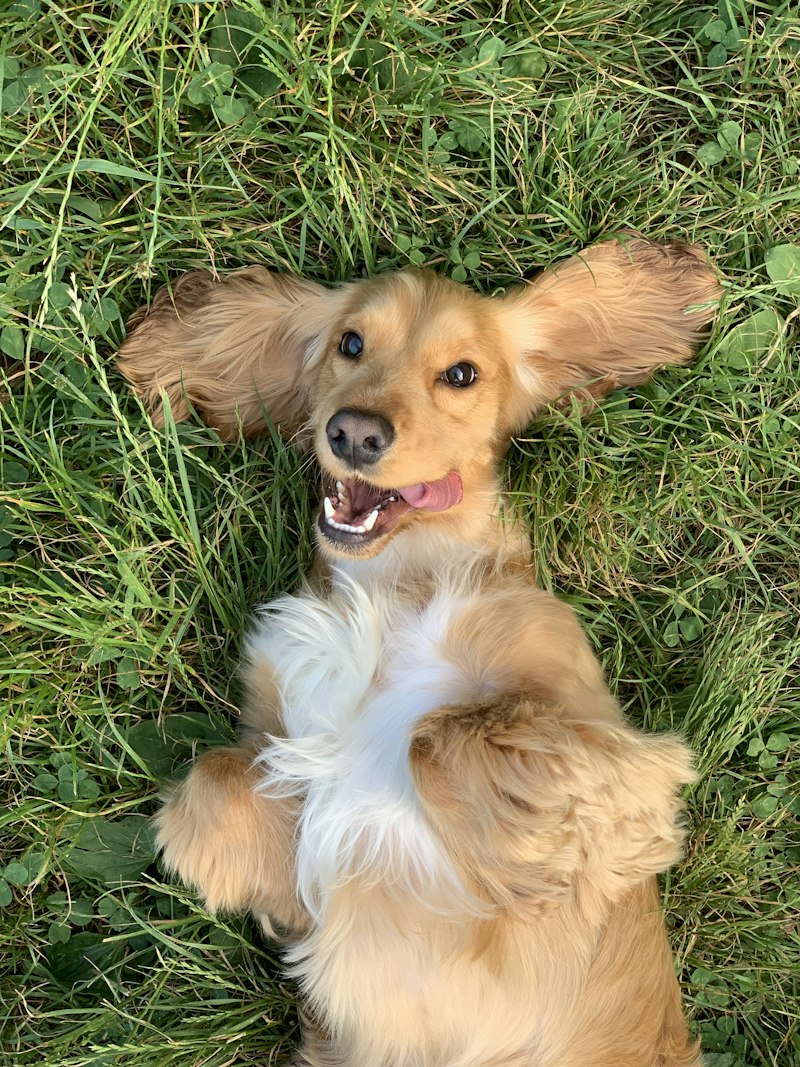
Understanding Bacterial Otitis Externa: Anatomy and Causes
Otitis externa — inflammation and infection of the external ear canal — is one of the most common reasons dogs visit the veterinarian, accounting for up to 10–20% of all veterinary consultations. While yeast, parasites, and foreign bodies can all cause ear infections, bacterial otitis externa is the most clinically significant form, particularly when it becomes chronic or involves resistant organisms.
Dr. Sarah Chen, DVM: "The single most important thing I tell dog owners about ear infections is this: a bacterial ear infection is almost never the primary problem. There is nearly always an underlying cause — allergies, anatomy, humidity — that created the conditions for bacteria to overgrow. If you only treat the infection without addressing the cause, it will come back."
To understand why dogs are so susceptible to ear infections, it helps to understand their ear anatomy. The canine ear canal is shaped like an L — a vertical canal descends from the ear opening, then makes a sharp 90-degree turn into a horizontal canal that leads to the eardrum (tympanic membrane). This L-shape traps moisture, debris, and warmth, creating an ideal environment for bacterial growth. Compared to the short, straight ear canal of humans, the dog's ear canal is essentially a warm, dark incubator.
Primary Causes (Predisposing Factors)
Bacterial ear infections do not typically occur in healthy ears. They almost always develop secondary to an underlying primary cause:
- Allergic skin disease: By far the most common primary cause. Atopic dermatitis (environmental allergies) and food allergies cause inflammation of the ear canal lining, altering the microenvironment and allowing bacteria to proliferate.
- Ear conformation: Breeds with long, floppy ears (Cocker Spaniels, Basset Hounds, Cavalier King Charles Spaniels) trap moisture and reduce airflow. Breeds with narrow, hairy ear canals (Poodles, Schnauzers) are also predisposed.
- Moisture: Swimming, bathing, and humid climates increase ear canal moisture, promoting bacterial growth.
- Hormonal disorders: Hypothyroidism and hyperadrenocorticism (Cushing's disease) alter skin immunity and sebum production, increasing susceptibility.
- Foreign bodies: Grass awns, plant material, or debris lodged in the ear canal cause intense local inflammation.
The Bacteria Behind Canine Ear Infections
Not all bacterial ear infections are created equal. The specific bacteria involved significantly influence the severity of the infection, the choice of treatment, and the prognosis. Ear cytology — examining a stained ear swab under the microscope — is a critical first step that every veterinarian should perform before prescribing treatment.
Staphylococcus Species
Staphylococcus pseudintermedius is the most common bacterium isolated from canine ear infections, present in approximately 30–50% of cases. It is a normal resident of canine skin that becomes pathogenic when the ear environment changes. Staphylococcal ear infections are generally responsive to first-line topical antibiotics and have a good prognosis. However, methicillin-resistant strains (MRSP) are an emerging concern, requiring culture and sensitivity testing for appropriate antibiotic selection.
Pseudomonas aeruginosa
Pseudomonas is the most clinically challenging bacterium encountered in canine ear infections. It is found in approximately 15–30% of chronic otitis externa cases and is characterised by:
- Intrinsic antibiotic resistance: Pseudomonas is naturally resistant to many antibiotics, including most first-line options. It often requires fluoroquinolones (enrofloxacin, marbofloxacin) or polymyxin B for effective treatment.
- Biofilm formation: Pseudomonas excels at forming biofilms — protective bacterial communities encased in a slimy matrix that shields the bacteria from antibiotics and the immune system. Biofilm is the primary reason Pseudomonas ear infections are so difficult to resolve and so prone to recurrence.
- Copious, malodorous discharge: Pseudomonas infections typically produce a characteristic yellow-green, foul-smelling discharge with a distinctive sweet, grape-like odour.
- Tissue damage: Pseudomonas produces proteolytic enzymes and toxins that can cause severe ulceration of the ear canal epithelium and even erode the tympanic membrane (eardrum), leading to otitis media (middle ear infection).
Proteus, E. coli, and Other Gram-Negatives
Proteus mirabilis and Escherichia coli are less common but can cause particularly severe infections, especially in chronic or previously treated ears. Like Pseudomonas, they tend to be more resistant to antibiotics than Staphylococcus and often require culture-guided therapy.
Streptococcus and Corynebacterium
These are less frequently isolated but contribute to mixed infections. Corynebacterium species are part of the normal ear flora and only become problematic in the context of ear canal inflammation from other causes. For a broader perspective on bacterial skin and surface infections, see our guide to bacterial pyoderma in pets.
Recognising Symptoms and Getting an Accurate Diagnosis
Early detection of a bacterial ear infection significantly improves treatment outcomes and reduces the risk of the infection progressing to the middle or inner ear. Knowing what to look for — and what your veterinarian should be doing diagnostically — empowers you to advocate for your dog's care.
Symptoms of Bacterial Otitis Externa
- Head shaking: Often the earliest sign. Dogs shake their heads vigorously to try to dislodge the discomfort deep in the ear canal.
- Ear scratching: Pawing at the affected ear, sometimes causing self-inflicted scratches or aural haematomas (blood blisters on the ear flap from ruptured blood vessels).
- Odour: A distinctive, often strong, unpleasant smell from the ear. Pseudomonas infections have a characteristically sweet, fruity-rotten odour; Staphylococcal infections tend to have a more yeasty or musty smell.
- Discharge: Varies from brown-yellow (Staphylococcus) to yellow-green and copious (Pseudomonas). Dark, waxy discharge suggests yeast (Malassezia) rather than bacteria.
- Redness and swelling: The ear canal and pinna (ear flap) appear inflamed, warm, and sometimes visibly swollen.
- Pain: Dogs may cry out or pull away when the ear is touched. Some dogs become head-shy or irritable.
- Head tilt: If present, this may indicate the infection has progressed to the middle ear (otitis media) — a more serious condition requiring more aggressive treatment.
Diagnostic Workup: What Your Vet Should Do
A thorough diagnostic approach is essential for effective treatment. The minimum workup for any ear infection should include:
- Otoscopic examination: Visualising the ear canal and eardrum with an otoscope to assess the degree of inflammation, the nature of the discharge, the presence of foreign bodies, masses, or polyps, and the integrity of the tympanic membrane.
- Ear cytology: A swab of ear discharge stained and examined under the microscope. This reveals whether bacteria (cocci or rods), yeast, white blood cells, or a combination are present. Rod-shaped bacteria on cytology raise immediate suspicion for Pseudomonas or other Gram-negatives, which require different treatment than cocci (Staphylococcus).
- Culture and sensitivity (C&S): Recommended for chronic, recurrent, or suspected resistant infections, and essential whenever rod-shaped bacteria are seen on cytology. C&S identifies the exact bacterial species and which antibiotics it is sensitive to.
If your dog has recurring ear infections, your vet should also investigate the underlying primary cause. Our comprehensive ear infection guide covers the full diagnostic and management approach in detail.
Treatment Protocols for Bacterial Ear Infections
Effective treatment of bacterial otitis externa requires a systematic approach: clean the ear, apply appropriate topical medication, address the underlying cause, and follow through. Cutting corners on any of these steps is the primary reason ear infections recur.
Step 1: Ear Cleaning
Before any medication is applied, the ear must be thoroughly cleaned. Debris, discharge, and biofilm physically block topical antibiotics from reaching the bacteria and inactivate some medications. Professional ear cleaning by your veterinarian — sometimes under sedation for painful ears — is critically important for moderate-to-severe infections. For home cleaning between vet visits:
- Use a veterinary-recommended ear cleaner (not water, hydrogen peroxide, or alcohol).
- Choose cleaners with Tris-EDTA, which disrupts bacterial cell membranes and enhances antibiotic penetration — particularly important for Pseudomonas infections.
- Fill the ear canal, massage the base of the ear for 30 seconds, then allow your dog to shake. Wipe away excess debris with cotton wool. Never insert cotton buds into the ear canal.
Step 2: Topical Antibiotic Therapy
Topical medications are the mainstay of otitis externa treatment. Common options include:
- Combination ear drops: Most veterinary ear medications combine an antibiotic, an antifungal, and a corticosteroid. Popular products include Otomax (gentamicin/clotrimazole/betamethasone), Surolan (polymyxin B/miconazole/prednisolone), and Mometamax (gentamicin/clotrimazole/mometasone).
- Fluoroquinolone-based products: For Pseudomonas or resistant infections, products containing enrofloxacin (Baytril Otic) or marbofloxacin (Aurizon) are often necessary.
- Single-application products: Osurnia (florfenicol/terbinafine/betamethasone acetate) and Claro (florfenicol/terbinafine/mometasone) are applied by the veterinarian as a single dose in each ear, forming a gel that releases medication over 7–30 days. These are excellent options for dogs that resist daily ear drops.
Step 3: Systemic Antibiotics (When Needed)
Oral or injectable antibiotics are reserved for cases where:
- Otitis media (middle ear infection) is present or suspected
- The tympanic membrane is ruptured (some topical medications are ototoxic and cannot be used)
- Severe, ulcerative otitis externa is present
- Topical therapy alone has failed
Common systemic antibiotics for ear infections include fluoroquinolones (enrofloxacin, marbofloxacin, pradofloxacin) for Pseudomonas, and amoxicillin-clavulanate or cephalosporins for Staphylococcus. Treatment duration is typically 3–6 weeks — significantly longer than many owners expect. Stopping antibiotics prematurely is one of the most common causes of recurrence and resistance development.
Step 4: Address the Underlying Cause
This is the step most commonly missed and the reason so many dogs suffer from chronic, recurrent ear infections. If allergies are the primary cause, they must be managed long-term through allergen avoidance, immunotherapy, or medications such as oclacitinib (Apoquel) or lokivetmab (Cytopoint). Without addressing the root cause, ear infections will return despite repeated courses of antibiotics.
Use PetCare.AI's free symptom checker to assess your pet's condition and get instant guidance.
Try PetCare.AI Free →Preventing Ear Infections: Routine Ear Care for Dogs
Prevention is always preferable to treatment, especially for dogs prone to recurrent ear infections. A consistent ear care routine, combined with management of underlying conditions, can dramatically reduce the frequency and severity of bacterial otitis externa.
Routine Ear Cleaning
Regular ear cleaning is the cornerstone of prevention, but the frequency depends on your dog's individual risk factors:
- Low-risk dogs (upright ears, no history of infections): Clean every 2–4 weeks or as needed if debris accumulates.
- Medium-risk dogs (floppy ears, occasional swimming): Clean weekly or after every swim.
- High-risk dogs (history of chronic otitis, allergic skin disease): Clean 1–2 times per week with a Tris-EDTA based cleaner, as directed by your veterinarian.
After swimming or bathing: Always dry your dog's ears thoroughly. Place a few drops of a drying ear cleaner in each ear after water exposure. This is one of the simplest and most effective prevention measures for water-loving breeds like Labrador Retrievers, Golden Retrievers, and Spaniels.
Ear Hair Management
Breeds with excessive ear canal hair (Poodles, Bichon Frises, Schnauzers) may benefit from careful hair removal, though this topic is debated among veterinary dermatologists. Some argue that plucking ear hair causes microtrauma and inflammation that increases infection risk; others maintain that removing excessive hair improves airflow and reduces moisture retention. Consult your veterinarian or a veterinary dermatologist for breed-specific advice.
Allergy Management
Since allergies are the most common underlying cause of recurrent bacterial ear infections, effective allergy management is the most impactful prevention strategy. This may include:
- Prescription diets or elimination diet trials for suspected food allergies
- Environmental allergy management (air purifiers, regular bedding washing, limiting outdoor exposure during high-pollen seasons)
- Medications such as oclacitinib (Apoquel), lokivetmab (Cytopoint), or allergen-specific immunotherapy (allergy shots or sublingual drops)
When to See the Vet
See your veterinarian promptly if you notice any of the following:
- Head shaking or ear scratching that persists for more than 24–48 hours
- Any discharge, odour, or redness in the ear
- Pain when the ear is touched
- Head tilt, circling, or loss of balance (possible middle or inner ear involvement)
- Swelling of the ear flap (possible aural haematoma)
Early intervention is always better than waiting. A simple ear infection treated promptly may require only a week of ear drops, while a neglected infection can progress to chronic otitis requiring months of treatment or even surgery. Stay on top of your dog's health with a preventative care schedule that includes regular ear checks.
Chat with Rio, our AI health companion, for personalised guidance tailored to your pet's needs.
Ask Rio →Chat with Rio, our AI health companion, for personalised guidance on your pet's nutrition and weight management.