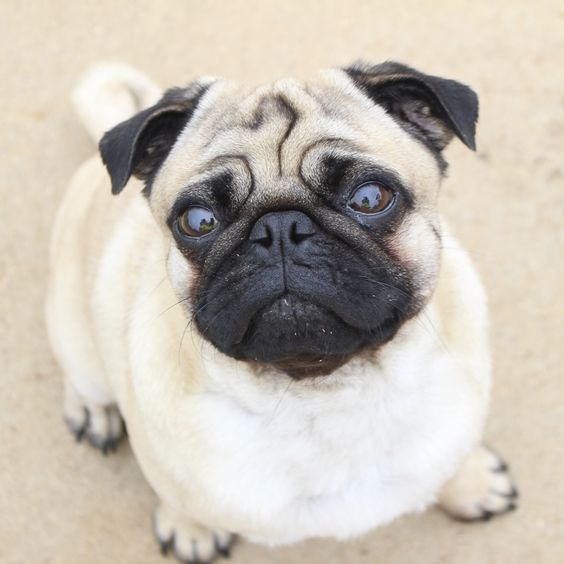
Pug
The Pug is a charming and affectionate breed known for its distinctive wrinkled face, compact size, and friendly personality. Originating from China, they have a sturdy and muscular build with a short, glossy coat that comes in various colors. Pugs are renowned for their playful and outgoing nature, often forming strong bonds with their families and enjoying being the center of attention.
Diet
For pugs, maintaining a balanced diet is crucial for their overall health and well-being. Choose high-quality dog food specifically formulated for small breeds, ensuring it contains real meat as the main ingredient. Portion control is key to prevent overeating and obesity, so measure their food carefully and avoid free-feeding. Provide nutritious treats sparingly, opting for low-calorie options or those designed to promote dental health. Adjust their diet based on age and activity level, ensuring senior pugs receive joint support supplements and softer food options if needed. Always provide access to fresh water, and consult with your veterinarian for personalized dietary recommendations.
Pug Puppy Diet Essentials
Daily Requirement
- Puppy Pugs typically require high-quality dog food that supports their growth and development.
Frequency
- Puppies usually need to be fed 3-4 times a day, with the portion size gradually increasing as they grow.
Calories Required per Pound of Weight
- Puppy Pugs require around 55-75 calories per pound of body weight per day.
Water Requirements
- Ensure your puppy always has access to fresh, clean water.
Nutritional Balance
- Look for dog food that provides a balance of protein, fats, carbohydrates, vitamins, and minerals, meeting AAFCO standards for growth.
Life Stage Specific
- Choose dog food specifically formulated for puppies to support their growth and development.
Special Dietary Needs
- Consider any special dietary needs or sensitivities your puppy may have, such as grain-free options or specific protein sources.
Trusted Brands
- Reputable dog food brands known for their high-quality ingredients and rigorous testing.
Frequently asked questions about Pug
Quick answers sourced from our breed reference data.
Where do Pug dogs originate from?
The Pug breed originated from China.
How big do Pugs get and how long do they live?
Pugs are a small-sized dog and typically live 13–15 years.
What is the temperament of a Pug?
Pugs are commonly described as short and glossy.
Are Pugs good for families and first-time owners?
Based on temperament scores in our breed database, Pugs are well-suited to family environments. Always meet the individual dog before bringing one home — personality varies within any breed.
What coat type and colours do Pugs have?
Pugs have a short coat in colours including white, black, apricot, brindle.
What climate do Pugs tolerate?
Pugs typically tolerate hot weather up to 28°C and cold weather up to 0°C. Adjust shelter, exercise, and grooming for your local climate.
Other dog breeds you might like
Browse more small-sized dogs on PetCare.AI.
.jpg?alt=media&token=fd669cb7-938d-468f-b997-b4241bac1af6)