🐾 Great Pyrenees 🐾
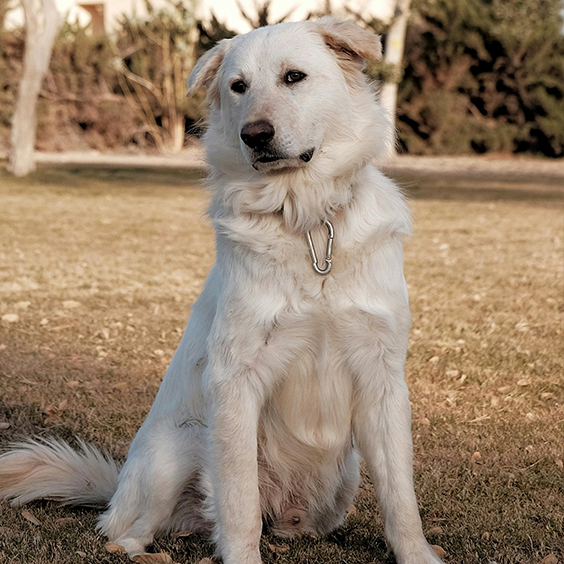
The Great Pyrenees is a majestic and imposing breed renowned for its size, strength, and gentle disposition. Originating from the Pyrenees Mountains, these dogs were originally bred as livestock guardians. With their thick, weather-resistant coats and imposing stature, they exude an air of regal confidence. Despite their imposing appearance, they are gentle giants, often described as affectionate and loyal companions.
Diet
- Prioritize high-quality animal protein and essential fatty acids to support muscle, coat, and joint health in Great Pyrenees.
- Monitor food intake closely to maintain a healthy weight and avoid overfeeding, while providing plenty of fresh water and limiting treats to maintain overall health.
Great Pyrenees Diet Essentials
High-Quality Dog Food:
Choose a high-quality dog food that is specifically formulated for large breeds or for all life stages. Look for options that list meat as the first ingredient and avoid foods with fillers, artificial additives, and by-products.
Protein:
Great Pyrenees require a diet rich in protein to support their large size and muscle development. Look for dog foods with a high protein content, ideally sourced from animal proteins like chicken, beef, fish, or lamb.
Balanced Nutrition:
Ensure that the dog food provides a balanced mix of protein, carbohydrates, fats, vitamins, and minerals. Essential nutrients such as calcium, phosphorus, and omega-3 fatty acids are particularly important for maintaining bone health and a healthy coat.
Caloric Intake:
Monitor your Great Pyrenees' caloric intake to prevent obesity, especially considering their tendency to gain weight. Follow feeding guidelines provided by the dog food manufacturer and adjust portions based on your dog's age, activity level, and overall health.
Joint Support:
Large breeds like Great Pyrenees are prone to joint issues such as hip dysplasia. Choose dog foods formulated with glucosamine and chondroitin sulfate, or consider adding supplements specifically designed to support joint health.
Fresh Water:
Always provide your Great Pyrenees with access to fresh, clean water. Hydration is essential for overall health and helps prevent urinary tract issues.
Avoid Overfeeding:
While it's important to ensure your Great Pyrenees gets enough nutrition, avoid overfeeding, as excess weight can strain their joints and predispose them to other health problems.
Regular Feeding Schedule:
Establish a regular feeding schedule and avoid free-feeding to help prevent overeating and maintain healthy digestion.
Monitor for Allergies and Sensitivities:
Some Great Pyrenees may have food allergies or sensitivities to certain ingredients. If you notice signs of allergies such as itching, digestive upset, or skin issues, consult your veterinarian to determine the best course of action, which may include switching to a hypoallergenic diet.
Consult with a Veterinarian:
Your veterinarian can provide personalized recommendations for your Great Pyrenees' diet based on their individual needs, age, weight, and any underlying health conditions.