🐾 Mastiff 🐾
Mastiffs often emphasizes their imposing yet gentle nature. They are often described as "gentle giants" due to their large size and calm temperament. Words like "loyal," "affectionate," and "protective" are frequently used to depict their devotion to their families. Their appearance is often noted for its muscular build and powerful stature, conveying strength and confidence.
Diet
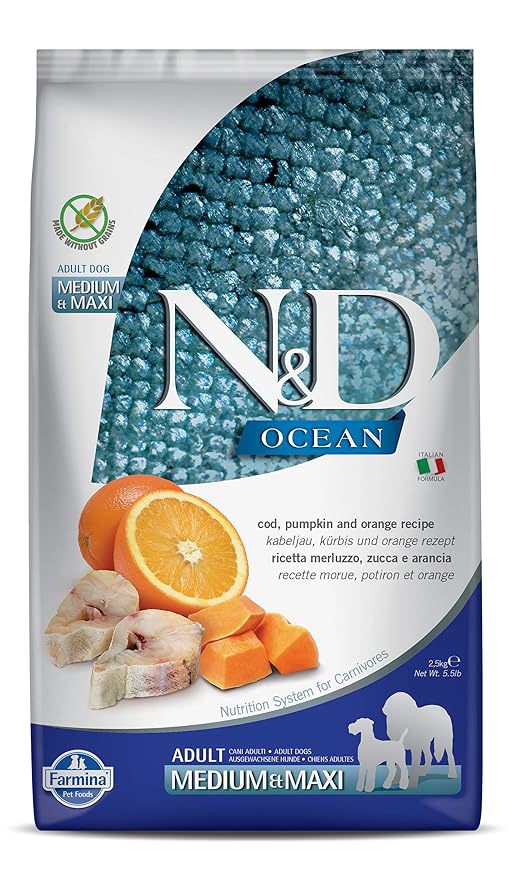
For Mastiffs, prioritize high-quality protein sources like chicken or beef to support their muscle health. Incorporate balanced fats for a healthy coat and provide complex carbohydrates such as vegetables for sustained energy.
Mastiff Diet Essentials
High-Quality Protein:
Protein is essential for muscle maintenance and overall health. Look for diets that list real meat, such as chicken, beef, or lamb, as the first ingredient. Given their size, mastiffs need diets with adequate protein to support their large bodies.
Appropriate Caloric Intake:
Due to their large size, mastiffs require a significant amount of calories. However, it’s crucial to balance their caloric intake to avoid obesity, which they can be prone to. Obesity in Mastiffs can lead to serious health issues such as joint problems, diabetes, and heart disease.
Joint Support:
Mastiffs are prone to joint issues such as hip dysplasia. Diets that include joint-supporting supplements like glucosamine, chondroitin, and omega fatty acids can help maintain healthy joints.
Controlled Growth Formula:
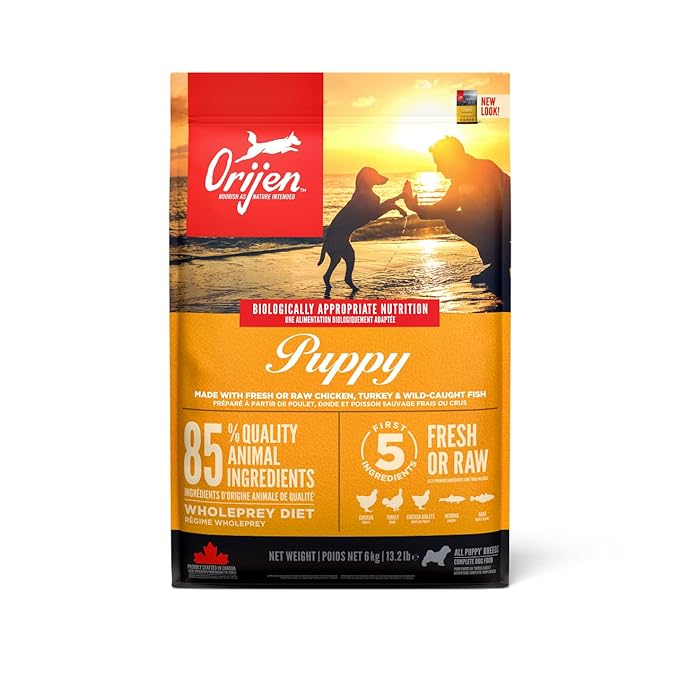
For Mastiff puppies, it's particularly important to ensure that their growth is slow and steady to prevent bone and joint problems. Puppy food formulated for large breeds typically has a careful balance of nutrients, including phosphorus and calcium, which are crucial for healthy bone development.
Digestive Health:
Mastiffs can have sensitive stomachs. Foods with easily digestible ingredients like brown rice or sweet potato, as well as probiotics, can help support a healthy digestive system.
Adequate Fiber:
Fiber is important for aiding digestion and helping maintain bowel regularity. Vegetables and fruits in their diet can provide necessary fiber as well as essential vitamins and minerals.
Avoid Fillers and Allergens:
Try to avoid foods that contain unnecessary fillers like corn and soy, which offer little nutritional value and may lead to weight gain. Mastiffs, like many large breeds, can also be prone to allergies, so it may be necessary to avoid common allergens like wheat or even certain proteins.
Regular Feeding Schedule:
Feeding your Mastiff at regular times and not free-feeding (leaving food out all day) can help regulate their digestion and weight.
Fresh Water:
Always ensure that your Mastiff has access to fresh, clean water as they can be prone to dehydration due to their size.